
How to Price Your Self-Published Ebook in 2026: The Complete Guide
Pricing your self-published ebook effectively is crucial for success in 2026. This guide breaks down current market trends, KDP pricing strategies, and advanced tactics to help authors maximize their royalties and reach a wider audience.
How to Price Your Self-Published Ebook in 2026: The Complete Guide
The digital publishing landscape is constantly evolving, and 2026 brings new challenges and opportunities for self-published authors. One of the most critical decisions you'll make for your book's success is its price. Get it right, and you could see a steady stream of sales and loyal readers. Get it wrong, and your masterpiece might languish in obscurity. This complete guide will walk you through the essential considerations for ebook pricing in 2026, helping you craft a winning KDP pricing strategy.
Why Ebook Pricing is More Critical Than Ever in 2026
The sheer volume of self-published titles entering the market means that standing out is tougher than ever. Readers have more choices, and their expectations for value are high. A well-thought-out price point communicates value, attracts readers, and ultimately impacts your royalties. In 2026, algorithms play an even larger role in discoverability, and pricing often influences how these algorithms perceive and promote your book.
Furthermore, the rise of subscription services and bundled content means that readers are accustomed to a wide range of pricing models. Your strategy needs to be flexible and responsive to these market dynamics. Understanding how to price an ebook isn't just about picking a number; it's about understanding your audience, your genre, and your long-term goals.
Understanding the Ebook Market in 2026
Before we dive into specific strategies, let's look at the prevailing market conditions:
- Increased Competition: More authors are entering the self-publishing space, making it harder to gain visibility.
- Value Perception: Readers are more discerning. A low price can sometimes signal low quality, while too high a price can deter impulse buys.
- Subscription Models: Services like Kindle Unlimited continue to influence reader expectations, often encouraging lower initial prices or free promotions.
- Global Reach: Digital distribution means your book can be sold worldwide, requiring consideration for international pricing.
- Audiobook Integration: The growing popularity of audiobooks often means authors need to consider a multi-format pricing strategy.
Core Ebook Pricing Strategies for Self-Published Authors
There isn't a one-size-fits-all answer to how to price an ebook, but several proven strategies can guide your decision.
1. The Sweet Spot Strategy ($2.99 - $5.99)
For many self-published authors, especially those using Amazon KDP, the $2.99 to $5.99 range is the sweet spot. Why? Because Amazon offers a 70% royalty rate for books priced within this range (for sales to customers in eligible territories). Outside of this, the royalty drops to 35%. This range balances affordability for readers with a decent return for authors.
- Pros: Maximizes KDP royalties, appeals to impulse buyers, good for series starters.
- Cons: May be perceived as too low for very long or highly specialized non-fiction books.
2. Premium Pricing ($6.99+)
If your book is exceptionally long, highly researched non-fiction, a textbook, or a very niche topic with a dedicated audience, a higher price point might be justified. This strategy relies on the perceived value and unique content of your work.
- Pros: Higher per-sale revenue, can signal high quality, suitable for established authors or unique content.
- Cons: Fewer sales volume, requires strong marketing and a compelling product description.
3. Loss Leader/Free Strategy
Offering your first book in a series for free or at $0.99 can be a powerful way to hook readers and drive them to subsequent, higher-priced books. This is a common and effective self-publishing tactic.
- Pros: Excellent for building an audience, drives downloads, boosts visibility for subsequent books.
- Cons: No direct revenue from the initial book, requires a strong series to be effective.
4. Psychological Pricing
Using prices like $2.99 instead of $3.00, or $9.95 instead of $10.00, leverages psychological principles. Readers often perceive prices ending in .99 as significantly cheaper than the next whole number.
Factors Influencing Your KDP Pricing Strategy
Beyond the core strategies, several elements should inform your final decision.
Genre & Audience Expectations
Different genres have different pricing norms. Romance novels often thrive at lower price points, while technical manuals or business books can command higher prices. Research what comparable books in your genre are selling for. For example, a quick search on Amazon for
Tools & Resources We Recommend
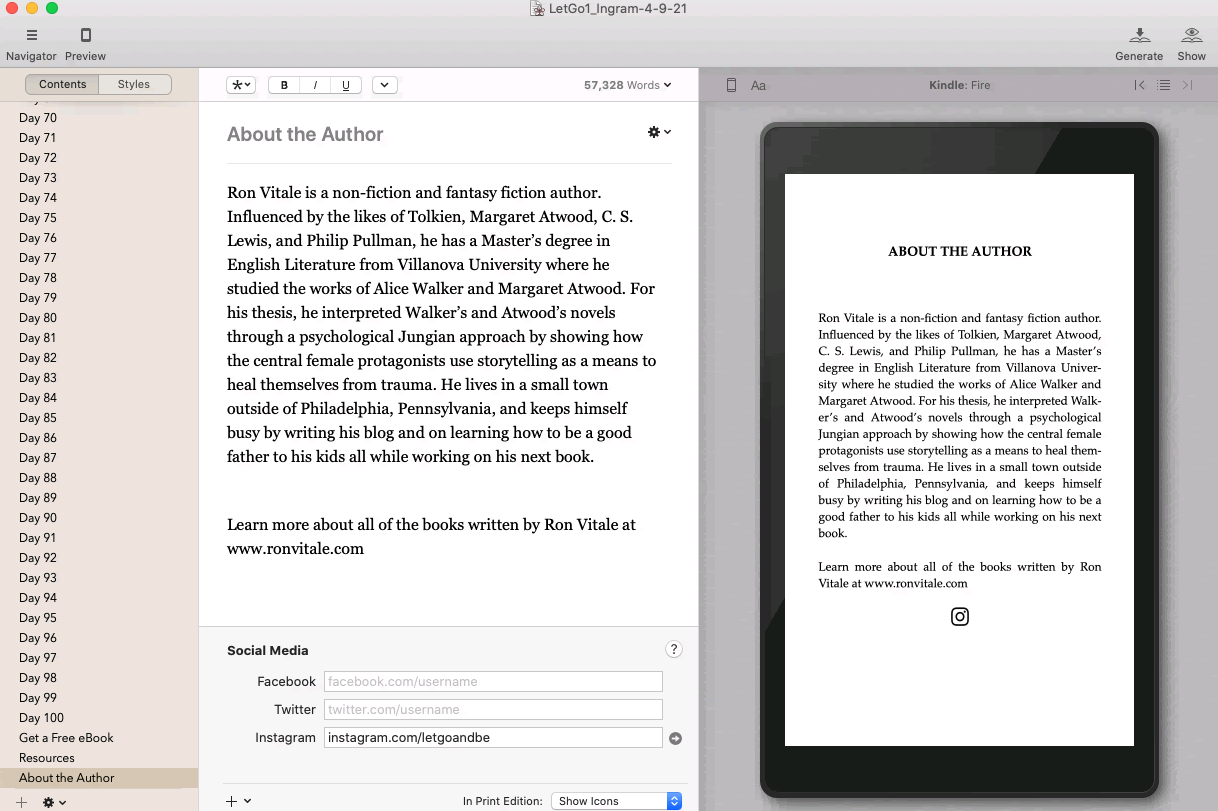
Vellum — Recommended Tool
The formatting tool we use to create beautiful ebooks and print books — no design skills needed.
Try Vellum FreeAffiliate link — we earn a small commission at no cost to you
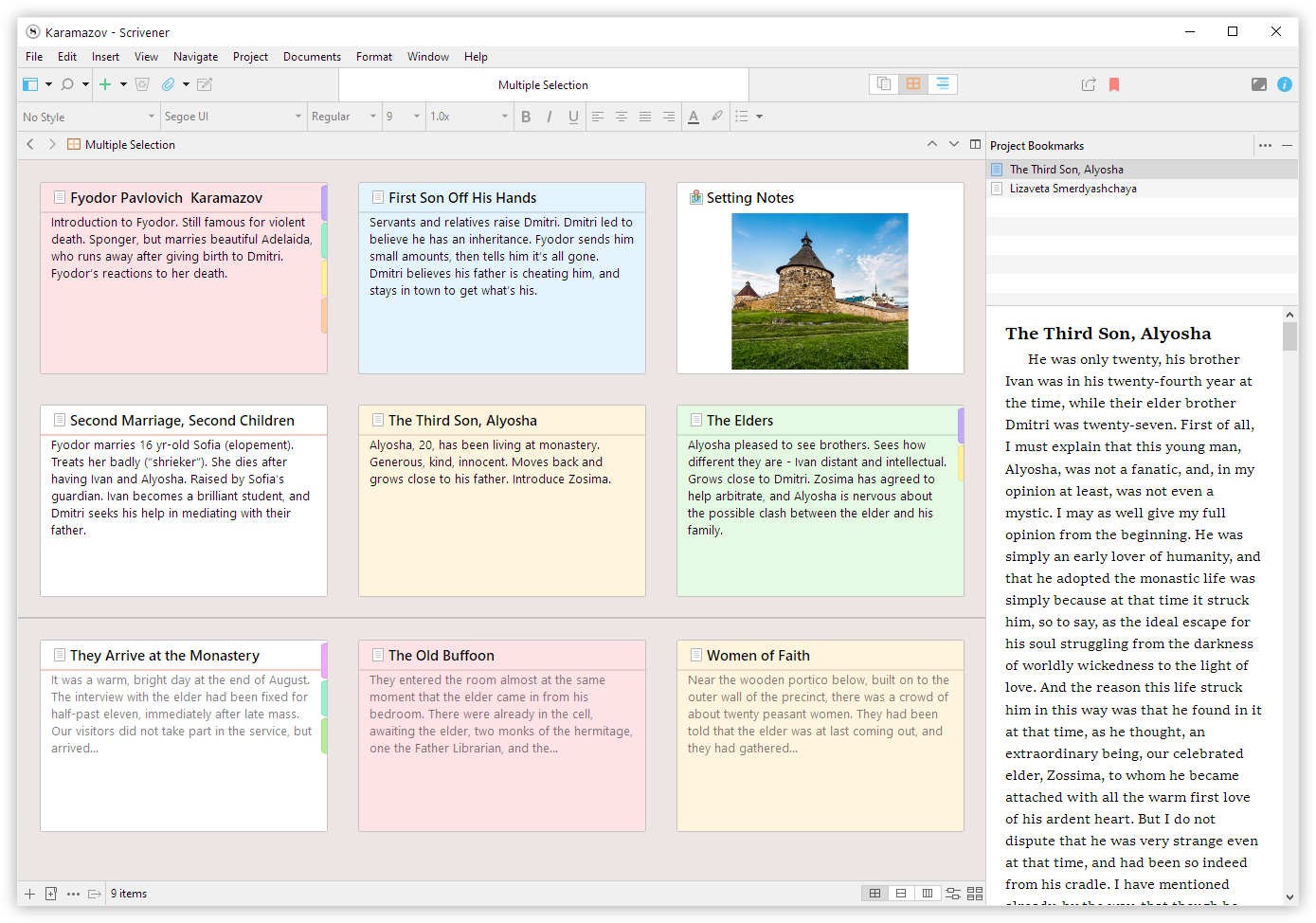
Scrivener — Recommended Tool
The writing app trusted by novelists, screenwriters, and non-fiction authors worldwide.
Get ScrivenerAffiliate link — we earn a small commission at no cost to you
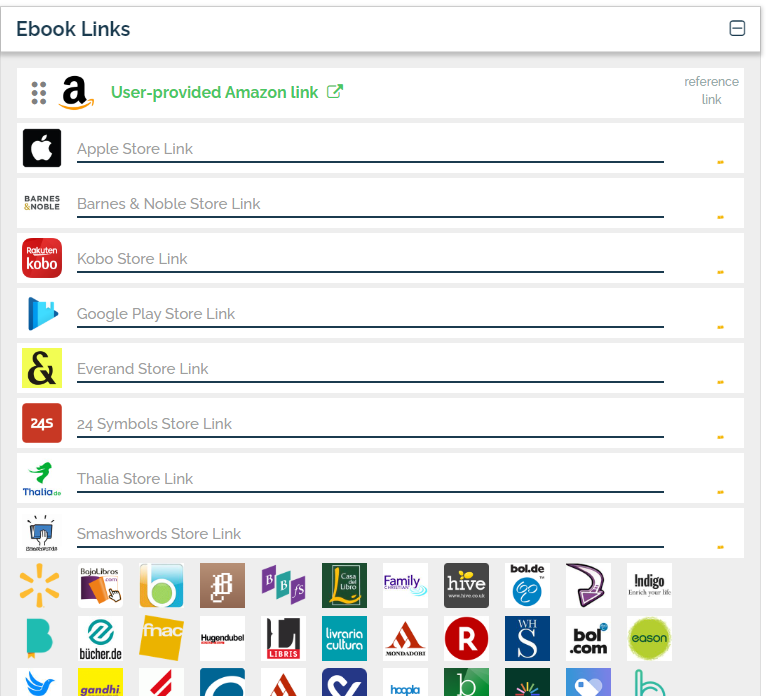
Draft2Digital — Recommended Tool
Distribute your ebook to Amazon, Apple Books, Kobo, and 40+ retailers — completely free.
Start Publishing FreeAffiliate link — we earn a small commission at no cost to you