
How to Build an Author Email List From Zero: A Step-by-Step Guide for 2026
An author email list is a direct line of communication to your most engaged readers, offering unparalleled control over your marketing and sales efforts. It matters because, unlike social media algorithms or ad platforms, your email list is an owned asset, allowing you to bypass gatekeepers and directly notify fans about new releases, promotions, and exclusive content.
This article contains Amazon affiliate links. If you purchase through them, Taciturn Studios earns a small commission at no extra cost to you.
How to Build an Author Email List From Zero: A Step-by-Step Guide for 2026
An author email list is a direct line of communication to your most engaged readers, offering unparalleled control over your marketing and sales efforts. It matters because, unlike social media algorithms or ad platforms, your email list is an owned asset, allowing you to bypass gatekeepers and directly notify fans about new releases, promotions, and exclusive content, fostering a loyal community that drives long-term success for your author career.
Table of Contents
- Why Your Author Email List is Non-Negotiable in 2026
- Step 1: Laying the Foundation – Choosing Your Tools and Strategy
- Step 2: The Irresistible Offer – Creating Your Reader Magnet
- Step 3: Driving Traffic – Where to Find Your First Subscribers
- Step 4: Nurturing Your List – The Art of the Author Newsletter
- Step 5: Scaling Up – Advanced List Building Tactics for Growth
📚 Recommended Resource: Newsletter Ninja: How to Become an Author Mailing List Expert Tammi Labrecque's "Newsletter Ninja" is an indispensable guide for authors looking to master email marketing. It breaks down the process of building, growing, and engaging an author email list with practical, actionable advice. [Amazon link: https://www.amazon.com/dp/1734314001?tag=seperts-20]
Why Your Author Email List is Non-Negotiable in 2026
In the ever-evolving landscape of digital publishing, an author's email list remains the most powerful and reliable tool for connecting with readers. While social media platforms come and go, and algorithms shift without warning, your email list provides a direct, unfiltered channel to your audience. This isn't just about sending out sales announcements; it's about cultivating a community, building anticipation for new releases, and establishing a sustainable author career. In 2026, with increasing competition and fragmented attention spans, the value of direct reader relationships has never been higher.
The Unpredictability of Social Media Algorithms
Remember when Facebook pages were a direct line to your fans? Or when Twitter (now X) had chronological feeds? Today, every major social media platform uses complex algorithms to decide what content its users see. This means your posts, no matter how engaging, might only reach a tiny fraction of your followers. You're constantly at the mercy of platform changes, which can drastically reduce your organic reach overnight. This unpredictability makes it incredibly difficult to rely solely on social media for critical announcements like new book launches or sales. An author email list bypasses these gatekeepers entirely, ensuring your message lands directly in your readers' inboxes.
Direct Connection: Building a Superfan Community
Beyond mere reach, an email list fosters a deeper connection with your readers. When someone opts into your list, they're giving you permission to enter their personal inbox – a sacred space. This act signifies a higher level of interest and trust than a casual social media follow. This direct line allows you to share behind-the-scenes glimpses, early access to cover reveals, deleted scenes, or even personal anecdotes that resonate more deeply than a public post. This consistent, personal interaction transforms casual readers into superfans who eagerly anticipate your next release and become your most vocal advocates. These superfans are the lifeblood of a sustainable author career.
Future-Proofing Your Author Business
Consider your email list an insurance policy for your author business. If a social media platform shuts down, changes its rules, or becomes irrelevant, your connection to your readers remains intact. You own this data (within legal bounds), and it's not subject to the whims of a tech giant. This resilience is crucial for long-term success. Furthermore, an email list is a powerful asset for launching new books, driving reviews, and even recruiting beta readers or advanced reader copy (ARC) teams. It's the cornerstone of a robust author platform, providing stability and control in an otherwise volatile digital world.
Step 1: Laying the Foundation – Choosing Your Tools and Strategy
Before you start collecting email addresses, you need to set up the infrastructure. This involves choosing the right email service provider (ESP), planning your initial communication with new subscribers, and ensuring you comply with critical legal requirements. Skipping these foundational steps can lead to inefficiencies, legal headaches, or a poor subscriber experience.
Selecting the Right Email Service Provider (ESP)
An Email Service Provider (ESP) is the software that allows you to manage your email list, send bulk emails, and automate sequences. Don't try to do this manually from your personal email account; it's inefficient, unprofessional, and can get you flagged as spam.
Here's a comparison of popular ESPs for authors:
| Feature/ESP | MailerLite | ConvertKit | Mailchimp (Free Tier) | ActiveCampaign |
|---|---|---|---|---|
| Target User | Beginners, budget-conscious authors | Authors, creators, course sellers | Small businesses, general use (can be complex for authors) | Advanced marketers, businesses with complex funnels |
| Free Tier | Yes (up to 1,000 subscribers, 12k emails/month) | Yes (up to 1,000 subscribers, limited features) | Yes (up to 500 subscribers, limited features) | No (14-day free trial) |
| Author-Specific Features | Good automation, landing pages, forms | Tagging, segments, visual automations, landing pages | Basic automation, good templates, can be less intuitive for authors | Powerful automation, CRM, advanced segmentation |
| Ease of Use | Very user-friendly | User-friendly, designed for creators | Moderate, can be overwhelming | Steep learning curve |
| Pricing (Paid) | Starts ~$10/month for 1k-2.5k subs | Starts ~$29/month for 1k subs | Starts ~$20/month for 500 subs (paid) | Starts ~$29/month for 1k subs |
| Recommendation | Excellent for beginners, great value | Strong choice for growing authors | Okay for starting, but can be limiting/costly later | For authors with multiple books/series and complex funnels |
For most indie authors starting from zero, MailerLite or ConvertKit are excellent choices due to their generous free tiers and author-friendly features. MailerLite is often praised for its intuitive interface, while ConvertKit shines with its tagging and segmentation capabilities, which are crucial for authors with multiple genres or series.
Crafting Your Initial Welcome Sequence
Once someone subscribes, what happens next? A welcome sequence is a series of automated emails sent to new subscribers, designed to introduce yourself, set expectations, and deliver your reader magnet. This isn't just about "thank you"; it's your first impression and a critical opportunity to engage.
A typical welcome sequence might look like this:
- Email 1 (Immediately): "Welcome! Here's Your Free Book/Story!"
- Deliver the reader magnet.
- Thank them for joining.
- Briefly introduce yourself and your genre.
- Ask them to add your email to their safe sender list.
- Email 2 (2-3 days later): "A Little More About Me (and What You Can Expect)"
- Share a personal anecdote or your "origin story" as an author.
- Reinforce what kind of content they'll receive (e.g., monthly updates, new release announcements, behind-the-scenes).
- Ask a simple question to encourage a reply (e.g., "What's your favorite book in [your genre]?").
- Email 3 (4-5 days later): "My Best Work (and Where to Find It)"
- Highlight your flagship book or series.
- Provide direct links to purchase (Amazon, Kobo, etc.).
- Include links to your author website or social media.
- Hint at upcoming projects.
This sequence helps build rapport, educates new subscribers, and gently guides them toward becoming paying readers.
Understanding Legal Compliance: GDPR, CAN-SPAM, and CCPA
Email marketing isn't a free-for-all. There are strict legal requirements you must adhere to, depending on where your subscribers are located. Ignoring these can lead to fines and damage your reputation.
- GDPR (General Data Protection Regulation): Applies to subscribers in the European Union. Requires explicit consent for data collection, clear privacy policies, and easy ways for users to access, rectify, or delete their data. Double opt-in (where subscribers confirm their subscription via a link in an email) is highly recommended for GDPR compliance.
- CAN-SPAM Act: Applies to commercial emails in the United States. Requires accurate header information, a clear "from" name, a physical postal address in every email, and a visible, functional unsubscribe link. It also prohibits deceptive subject lines.
- CCPA (California Consumer Privacy Act): Applies to California residents. Grants consumers more control over their personal information, similar to GDPR but with specific provisions for California.
Checklist for Legal Compliance: ✅ Use double opt-in for all new subscribers (highly recommended globally). ✅ Provide a clear privacy policy on your website, explaining how you collect and use data. ✅ Include your physical mailing address in the footer of every email. ✅ Ensure every email has a prominent, working unsubscribe link. ✅ Use clear and honest subject lines. ✅ Do not purchase email lists. Only email people who have explicitly opted in.
📚 Recommended Resource: Your First 10,000 Readers: Proven Strategies to Build a Fanbase and Sell More Books Nick Stephenson's book is a foundational text for authors looking to grow their audience. It covers list building, marketing funnels, and reader engagement strategies in a clear, actionable way. [Amazon link: https://www.amazon.com/dp/1733028609?tag=seperts-20]
Step 2: The Irresistible Offer – Creating Your Reader Magnet
To entice readers to join your email list, you need to offer something valuable in return. This "something" is called a reader magnet (or lead magnet), and it's the cornerstone of successful list building. A well-crafted reader magnet provides immediate value and gives readers a taste of your writing, encouraging them to sign up.
What Makes a Great Reader Magnet?
A great reader magnet isn't just any freebie; it's strategically designed to attract your ideal reader and showcase your best work.
Here are the key characteristics:
- Relevant to Your Genre/Audience: It must appeal directly to the readers you want to attract. If you write fantasy, don't offer a romance novella.
- High Quality: This is your first impression. The writing, editing, and formatting must be impeccable. A shoddy magnet reflects poorly on your entire body of work.
- Short and Satisfying: It should be something readers can consume relatively quickly and feel satisfied by. A full-length novel might be too much, but a short story, novella, or exclusive chapter can be perfect.
- Showcases Your Voice/Style: The magnet should give readers a clear idea of your writing style, character development, and world-building (if applicable).
- Easy to Deliver: It should be a digital file (e.g., EPUB, MOBI, PDF) that can be easily downloaded and read on various devices.
- Unique and Exclusive: Offer something they can't get anywhere else. This increases its perceived value.
Brainstorming Reader Magnet Ideas by Genre
The best reader magnet will vary depending on your genre. Here are some ideas:
- Fiction (General):
- Prequel Short Story/Novella: A standalone story set in your book's world, featuring minor characters or an event before the main series.
- Bonus Chapter/Epilogue: An extra chapter from one of your books, or an exclusive epilogue that ties up loose ends or hints at future stories.
- Deleted Scenes: Scenes that didn't make it into the final cut but offer interesting character insights or world-building.
- Character POV Switch: A chapter from your main book, but told from the perspective of a different character.
- First Few Chapters of Your Book 1: A classic, but effective way to hook readers into your series.
- Non-Fiction:
- Exclusive Checklist/Workbook: A practical tool related to your book's topic (e.g., "The 10-Step Guide to [Your Book's Topic]").
- Mini-Guide/Toolkit: A condensed version of key takeaways or resources from your book.
- Template/Swipe File: If your book offers practical advice, provide a template or example document.
- Bonus Chapter/Interview: An extra chapter not included in the book, or an exclusive interview with an expert related to your topic.
- Puzzle/Activity Books:
- Sample Puzzle Pack: A small collection of puzzles (e.g., 5-10 pages) from your book or a unique set not found elsewhere.
- "How to Solve" Guide: A detailed guide for a specific type of puzzle your book features.
- Printable Activity Sheet: A themed activity sheet related to your book's niche.
Case Study: Fantasy Author — Before/After
Before: Author offered "A free short story" on their website. It was generic, unedited, and didn't clearly state the genre. Conversion rate: 0.5%. After: Author created a professionally edited, 10,000-word prequel novella titled "The Shadow of Elara: A Tale from the [Series Name] Universe." The landing page featured a custom cover, clear genre tags, and a compelling blurb. Conversion rate: 12%. Result: The specific, high-quality, and relevant reader magnet dramatically increased sign-ups and attracted readers who were already interested in the author's specific fantasy subgenre.
Designing and Delivering Your Reader Magnet
Once you've decided on your reader magnet, you need to produce it and make it accessible.
- Write and Edit: Ensure your magnet is as polished as your published work. Professional editing is non-negotiable.
- Format for Readability: Convert your magnet into common ebook formats (EPUB, MOBI) and a PDF. Tools like Calibre (free) or professional formatters can help.
- Create a Compelling Cover: Even for a freebie, a professional cover is crucial. It signals quality and entices clicks. You can use Canva for basic designs or hire a cover designer.
- Set Up Delivery: Your ESP will handle this. When a new subscriber signs up, your welcome sequence will automatically send them a link to download the magnet. You can host the files on your website, Dropbox, Google Drive, or directly within your ESP's file manager. Ensure the link is direct and easy to access.
- Create a Dedicated Landing Page: While you can embed sign-up forms directly on your website, a dedicated landing page for your reader magnet can significantly boost conversions. This page should clearly state the benefits of signing up, showcase your magnet's cover, and have a prominent sign-up form. Most ESPs offer built-in landing page builders.
Step 3: Driving Traffic – Where to Find Your First Subscribers
Having a great reader magnet and a robust ESP is useless if no one knows about it. This step focuses on strategically placing your sign-up opportunities where your target readers are most likely to see them and convert.
Your Author Website: The Hub of Your Operations
Your author website isn't just an online brochure; it's the central hub for your author brand and the primary destination for collecting email subscribers.
- Prominent Opt-in Forms:
- Homepage Banner/Hero Section: A clear call-to-action (CTA) and sign-up form above the fold.
- Pop-up/Slide-in Forms: These can be very effective but use them judiciously to avoid annoying visitors. Set them to appear after a certain time on page or scroll depth, or upon exit intent.
- Sidebar Widget: A static sign-up form visible on most pages.
- Dedicated "Free Book" or "Join My List" Page: A specific page detailing your reader magnet and providing a sign-up form.
- Blog Post Integration: If you blog, include a relevant opt-in form within or at the end of your posts.
- Clear Messaging: Ensure the benefits of joining your list are immediately clear. Instead of "Sign Up for My Newsletter," try "Get a Free [Your Genre] Novella and Exclusive Updates!"
- Privacy Policy: Link to your privacy policy near every sign-up form to build trust and ensure legal compliance.
Leveraging Back Matter and Book Links
One of the most effective places to find new subscribers is within your existing books. Readers who have finished your book are already engaged and are prime candidates for joining your list.
- Back Matter Call-to-Action: At the very end of your book (after "The End" and before the "About the Author" section), include a strong CTA for your reader magnet.
- "Loved [Your Book Title]? Get a FREE [Prequel/Bonus Story] from the [Your Series Name] Universe and never miss a new release!"
- Provide a clear, easy-to-type URL (e.g., YourWebsite.com/freebook) or a QR code for physical books.
- "Also By" Page: Include a link to your reader magnet on your "Also By" page, alongside your other books.
- Author Bio: Mention your reader magnet and email list in your author bio on Amazon, Goodreads, and other retail sites.
- Universal Book Links (UBLs): Use services like Books2Read (now StoryOrigin) to create a single link that directs readers to their preferred retailer. These services also offer landing pages for reader magnets and can help streamline the process.
Cross-Promotion and Collaborative Opportunities
Don't limit yourself to your own platforms. Collaborating with other authors and leveraging existing communities can significantly accelerate your list growth.
- Author Swaps/Cross-Promotions: Partner with authors in your genre who write similar books but aren't direct competitors. You can:
- Promote each other's reader magnets in your newsletters.
- Include a link to their magnet in your book's back matter (and vice-versa).
- Run joint giveaways.
- Group Promotions/Giveaways: Join multi-author promotions (often called "book funnels" or "group giveaways") where authors pool their reader magnets and promote a single landing page to their combined audiences. Services like BookFunnel and StoryOrigin facilitate these. This is an incredibly powerful way to get in front of hundreds or thousands of new readers quickly.
- Guest Blogging/Podcast Appearances: Offer to write a guest post for a popular blog in your genre or appear on a relevant podcast. Always include a link to your reader magnet in your author bio or during your segment.
- Social Media Campaigns: While not as reliable as email, social media can still drive traffic to your landing page. Run contests, share snippets from your reader magnet, or create engaging posts that direct followers to your sign-up link. Consider using a tool like Linktree or Beacons.ai for your bio link to easily direct followers to your reader magnet.
Step 4: Nurturing Your List – The Art of the Author Newsletter
Once you've attracted subscribers, the real work begins: keeping them engaged. Your author newsletter isn't just for announcing new books; it's a tool for building community, reinforcing your brand, and turning subscribers into loyal fans. Neglecting your list after sign-up is a common mistake that leads to high unsubscribe rates and a disengaged audience.
Content Strategy for Engaging Newsletters
Your newsletter should be a blend of value, entertainment, and gentle promotion. Aim for consistency, whether that's weekly, bi-weekly, or monthly.
- The 80/20 Rule: Roughly 80% value/entertainment, 20% promotion. Don't constantly hit them with sales pitches.
- What to Include:
- Personal Updates: Share a glimpse into your writing life, challenges, or successes. Make it relatable.
- Behind-the-Scenes: Cover reveals, snippets from works-in-progress, character interviews, world-building details.
- Reader Questions/Feedback: Engage your audience by asking questions and responding to replies.
- Curated Content: Share articles, books, movies, or music related to your genre or interests that your readers might enjoy.
- Exclusive Content: Offer a short story, deleted scene, or bonus chapter only for your subscribers.
- Promotional Content (Sparingly): New releases, sales, pre-order links, requests for reviews.
- Call-to-Action (CTA): Every email should have a clear, single primary CTA. It could be "Pre-order my new book," "Read this blog post," or "Reply and tell me your thoughts."
Segmentation and Personalization
As your list grows, not all subscribers will be interested in the exact same content. Segmentation allows you to send targeted emails to specific groups, increasing engagement and reducing unsubscribes.
Comparison Table: Generic vs. Segmented Email Approach
| Feature | Generic Newsletter Approach | Segmented Newsletter Approach |
|---|---|---|
| Audience | All subscribers receive same content | Subscribers grouped by genre, series interest, engagement level |
| Content | Broad, general updates | Tailored content for specific groups |
| Engagement | Lower open/click rates, higher unsubscribes | Higher open/click rates, lower unsubscribes |
| Relevance | Hit-or-miss for individual readers | High relevance for each recipient |
| Sales Impact | Less effective, can feel spammy | More effective, builds trust |
| Effort | Less upfront, more churn later | More upfront, better long-term ROI |
How to Segment:
- Genre Interest: If you write in multiple genres, allow subscribers to indicate their preferences upon sign-up or via a preference center.
- Series Interest: Tag readers who have read a specific series.
- Engagement Level: Segment active readers (who open/click frequently) from inactive ones. You can send re-engagement campaigns to inactive subscribers.
- Purchase History: If you sell directly, you can segment by who has purchased which book.
- Reader Magnet Source: Track which reader magnet they signed up for.
Personalization goes beyond just using their first name. It means sending them content that genuinely matters to them, based on their expressed interests or behavior.
Measuring Success and Iterating
Email marketing isn't a "set it and forget it" strategy. You need to track your performance and adjust.
- Key Metrics to Monitor:
- Open Rate: Percentage of subscribers who open your email. (Good: 20-30%+)
- Click-Through Rate (CTR): Percentage of subscribers who clicked a link in your email. (Good: 2-5%+)
- Unsubscribe Rate: Percentage of subscribers who opt out. (Aim for <0.5%)
- Conversion Rate: Percentage of subscribers who complete a desired action (e.g., buy a book).
- A/B Testing: Experiment with different subject lines, email layouts, CTAs, and even sending times to see what resonates best with your audience. Most ESPs offer A/B testing features.
- Feedback: Pay attention to replies to your emails. They offer invaluable insights into what your readers want.
- Clean Your List: Periodically remove inactive subscribers (those who haven't opened an email in 6-12 months). This improves your deliverability rates and reduces costs with your ESP. Send a re-engagement campaign first, then remove those who still don't respond.
📚 Recommended Resource: Strangers to Superfans: A Marketing Guide for Authors David Gaughran is a titan in indie publishing, and this book offers a strategic roadmap for turning casual readers into dedicated fans, with a strong emphasis on email funnels and direct communication. [Amazon link: https://www.amazon.com/dp/1948080079?tag=seperts-20]
Step 5: Scaling Up – Advanced List Building Tactics for Growth
Once you have a solid foundation, it's time to explore more advanced strategies to accelerate your list growth. These tactics often involve a greater investment of time or money but can yield significant returns.
Paid Advertising for List Growth
While organic growth is fantastic, paid advertising offers a scalable way to reach a vast, targeted audience. Facebook (Meta) Ads and Amazon Ads are the most common platforms for authors.
- Facebook/Instagram Ads:
- Targeting: Facebook's robust targeting allows you to reach readers based on interests (e.g., specific authors, genres, TV shows), demographics, and even behaviors.
- Ad Creative: Use eye-catching graphics (your book cover, character art, or a compelling quote) and concise, benefit-driven ad copy that highlights your reader magnet.
- Objective: Set your ad objective to "Lead Generation" or "Conversions" (if you've set up pixel tracking on your landing page).
- Budget: Start small (e.g., $5-10/day) and scale up as you find winning ads.
- Amazon Ads (for List Building):
- While Amazon Ads are primarily for selling books, you can use them indirectly for list building.
- Strategy: Run ads for your "perma-free" book (if you have one) or a heavily discounted Book 1. In the back matter of that book, have a strong CTA for your reader magnet.
- Targeting: Target keywords related to your genre, specific authors, or categories.
- Metrics: Monitor not just book sales but also the number of new subscribers you gain from that particular book.
Paid ads require careful monitoring and optimization, but they can be a game-changer for authors looking to grow their list quickly.
Book Funnels and Landing Pages
A "book funnel" is a strategic pathway designed to guide readers from awareness to becoming a loyal fan and buyer. Your email list is at the heart of this funnel.
- The Basic Funnel:
- Awareness: Reader discovers your free reader magnet (via ads, group promos, social media).
- Interest/Opt-in: Reader signs up for your email list to get the magnet.
- Engagement: Reader receives your welcome sequence and regular newsletters, building rapport.
- Conversion: Reader is introduced to your paid books and makes a purchase.
- Loyalty: Reader becomes a repeat buyer and advocate.
- Optimized Landing Pages:
- Clarity: The page should have one clear purpose: to get the email address.
- Compelling Headline: Immediately grab attention and state the benefit.
- Visual Appeal: Professional cover image for your reader magnet.
- Concise Blurb: A short, enticing description of the magnet.
- Trust Signals: Link to your privacy policy, maybe a testimonial if you have one.
- Single Call-to-Action: A prominent button (e.g., "Get My Free Story Now!").
- Minimal Distractions: No navigation menus or other links that could pull the reader away.
Tools like Leadpages, Unbounce, or even your ESP's built-in landing page builder can help you create high-converting pages.
Optimizing for Conversions
Conversion rate optimization (CRO) is the process of improving your landing pages and forms to get more sign-ups from the traffic you already have. Even small tweaks can make a big difference.
- A/B Testing Elements:
- Headlines: Try different hooks.
- Call-to-Action Buttons: Vary text (e.g., "Download Now," "Get My Free Book," "Join the Adventure").
- Images: Test different cover images or background visuals.
- Form Fields: Reduce the number of fields (just name and email is usually best).
- Page Layout: Experiment with different arrangements of elements.
- Heatmaps and Session Recordings: Tools like Hotjar can show you where users click, scroll, and get stuck on your landing pages, providing insights for improvement.
- Feedback Loops: Ask new subscribers (in your welcome sequence) what convinced them to sign up. This qualitative data is invaluable.
- Mobile Responsiveness: Ensure your landing pages and forms look and function perfectly on mobile devices, as a significant portion of your traffic will come from phones and tablets.
By continuously testing and refining your approach, you can maximize your list growth and build a thriving community of readers around your work. Remember, building an author email list from zero is a marathon, not a sprint. Consistency, value, and genuine connection are your most powerful allies.
Frequently Asked Questions
Q: How often should I email my author list? A: The ideal frequency varies, but consistency is key. Monthly is a good starting point for most authors, increasing to bi-weekly or weekly during book launches. Some authors email more frequently, but always prioritize value over quantity to avoid subscriber fatigue.
Q: What if I don't have a book published yet? Can I still build an email list? A: Absolutely! This is often the best time to start. Offer a prequel short story, a bonus chapter from your upcoming book, or even a "world guide" as your reader magnet. Building an audience before launch creates buzz and ensures you have readers ready on day one.
Q: What's the difference between a single opt-in and a double opt-in? A: Single opt-in means a subscriber is added to your list immediately after submitting their email. Double opt-in requires them to click a confirmation link in an email sent to them after signing up. Double opt-in reduces spam sign-ups, improves list quality, and is highly recommended for GDPR compliance.
Q: How many subscribers do I need to make a difference? A: There's no magic number, but even a small, highly engaged list of 500-1000 superfans can significantly impact your book launches and sales. Focus on quality over quantity; 500 engaged readers are more valuable than 5,000 unengaged ones.
Q: Should I put my entire book as a reader magnet? A: Generally, no. A full-length book is a significant investment of your time and should be sold. A short story, novella, or the first few chapters of a series starter are usually more effective as reader magnets, as they provide a taste without giving away the whole meal.
Q: My open rates are low. What can I do? A: Try experimenting with your subject lines (use curiosity, personalization, or urgency). Ensure your content is consistently valuable and relevant to your audience. Clean your list by removing inactive subscribers. Also, check your sender reputation and avoid spam trigger words.
Q: Is it okay to buy an email list? A: No, never buy an email list. These lists are typically low quality, often contain invalid addresses, and emailing them violates anti-spam laws (like CAN-SPAM and GDPR) and your ESP's terms of service. It will hurt your sender reputation and is a waste of money.
Q: How do I get readers to leave reviews through my email list? A: After a reader has had time to finish your book (e.g., 1-2 weeks after a purchase or download), send a polite, non-demanding email asking for a review. Explain why reviews are important for authors and provide direct links to your book's review pages on Amazon, Goodreads, etc.
Conclusion
Building an author email list from zero in 2026 is not just a recommendation; it's a fundamental pillar of a sustainable and thriving author career. In an increasingly noisy and algorithm-driven digital world, your email list provides the only direct, owned channel to your most passionate readers. By carefully selecting your tools, crafting an irresistible reader magnet, strategically driving traffic, nurturing your subscribers with engaging content, and continuously optimizing your approach, you can cultivate a loyal community that eagerly awaits your next release. This step-by-step guide offers a practical roadmap to achieve that, turning strangers into superfans and ensuring your author voice is always heard. Start today, and watch your author platform transform.
Ready to find your next great read or publishing resource? Browse the Taciturn Studios library for ebooks, puzzle books, and activity books.
Tools & Resources We Recommend
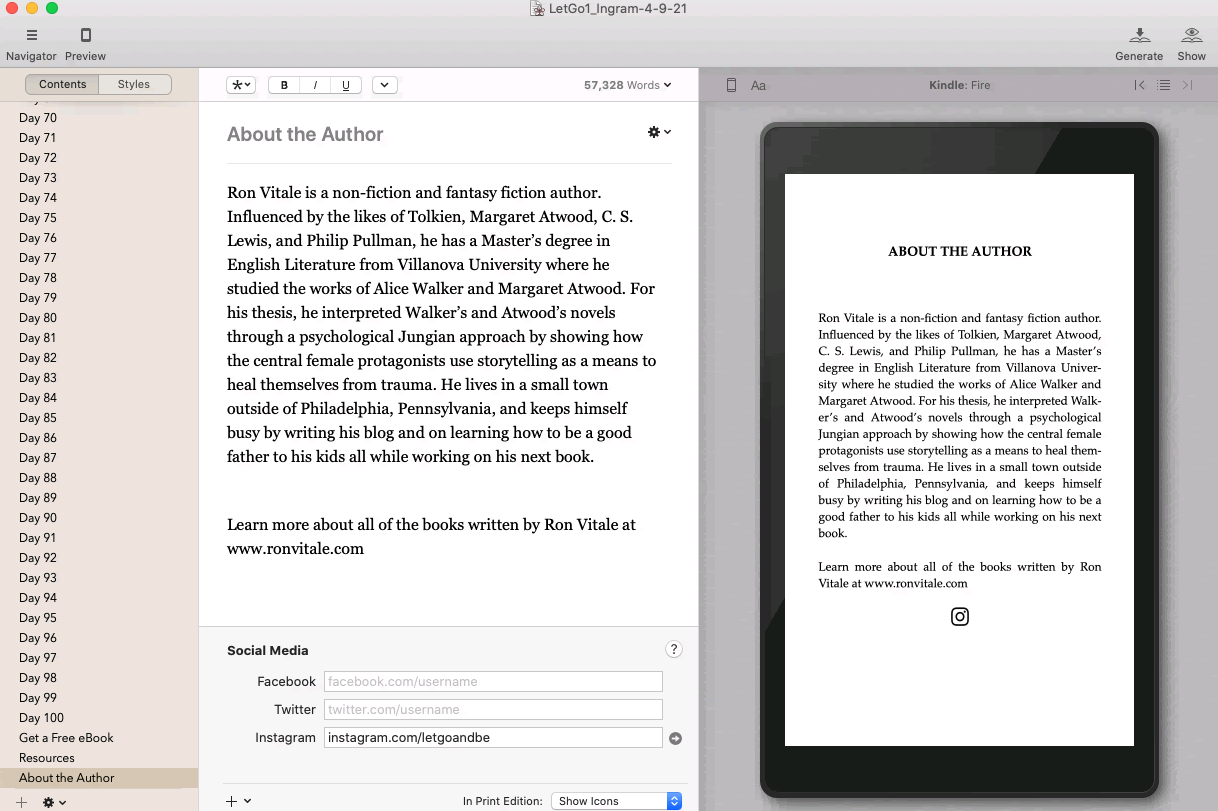
Vellum — Recommended Tool
The formatting tool we use to create beautiful ebooks and print books — no design skills needed.
Try Vellum FreeAffiliate link — we earn a small commission at no cost to you
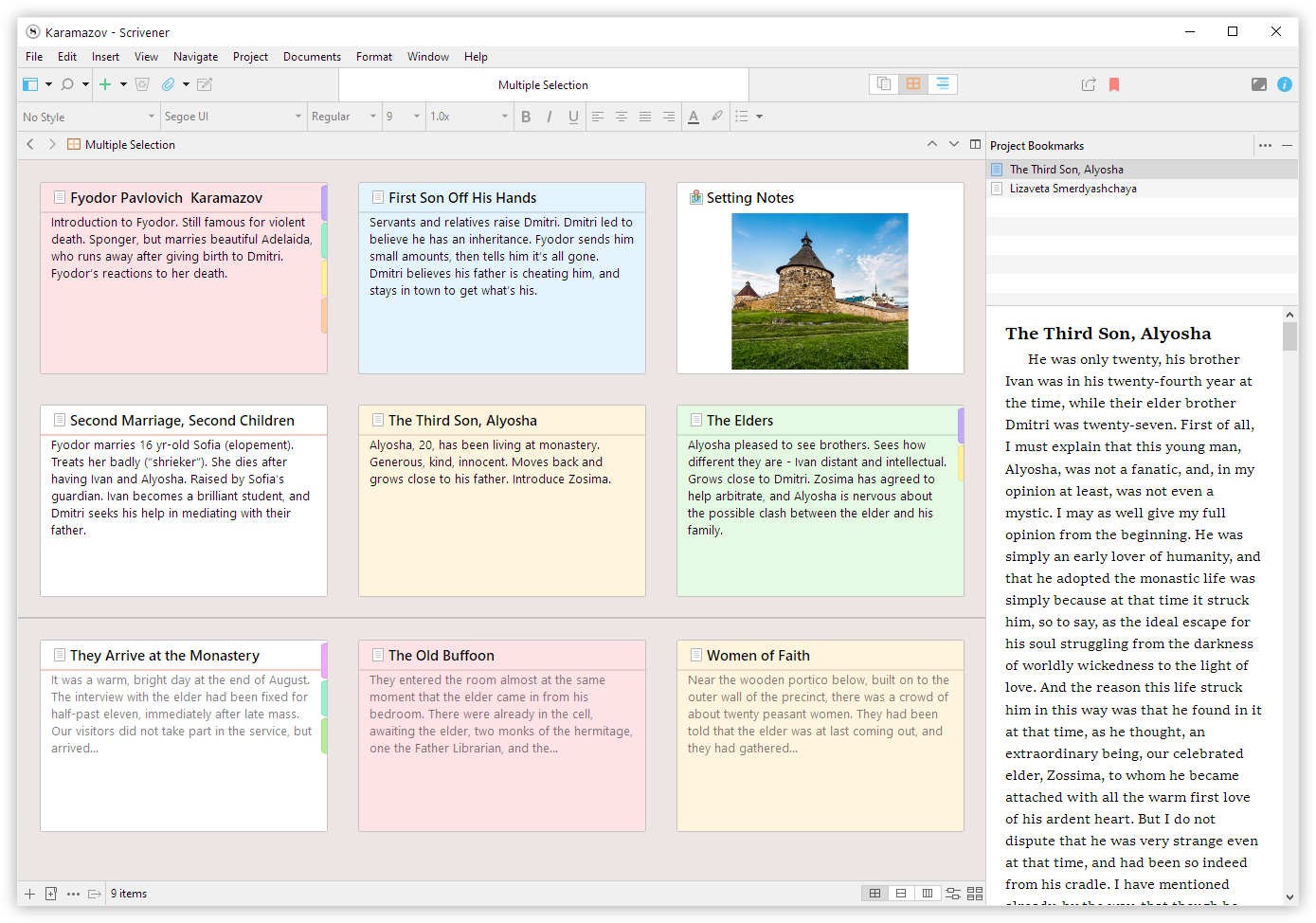
Scrivener — Recommended Tool
The writing app trusted by novelists, screenwriters, and non-fiction authors worldwide.
Get ScrivenerAffiliate link — we earn a small commission at no cost to you
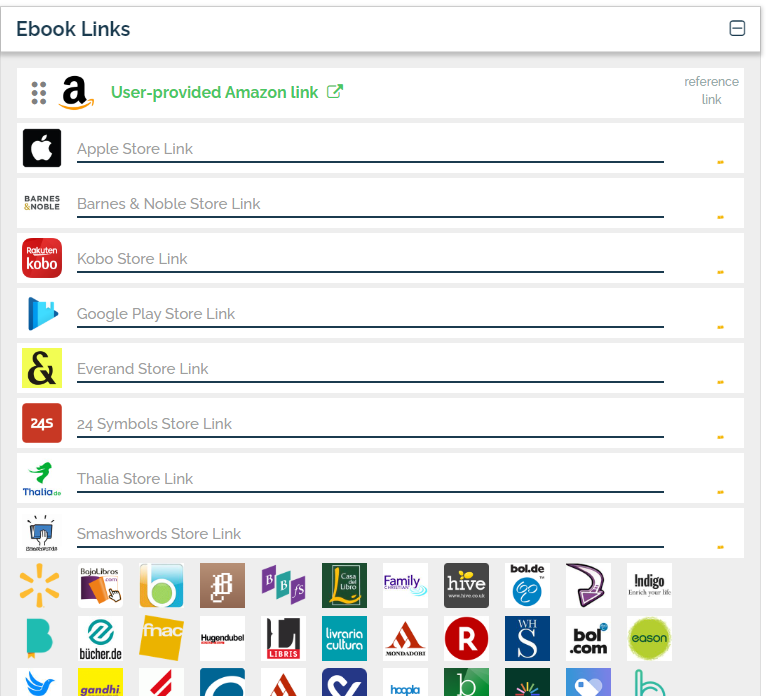
Draft2Digital — Recommended Tool
Distribute your ebook to Amazon, Apple Books, Kobo, and 40+ retailers — completely free.
Start Publishing FreeAffiliate link — we earn a small commission at no cost to you