
How to Create a KDP Puzzle Book That Sells: The Step-by-Step Guide for 2026
KDP puzzle books are a fantastic niche for indie authors and publishers looking to diversify their income streams and reach a broad audience of puzzle enthusiasts. By leveraging Amazon's Kindle Direct Publishing platform, creators can design, publish, and sell a variety of puzzle types, from word searches and crosswords to sudoku and mazes, without the complexities of traditional publishing.
How to Create a KDP Puzzle Book That Sells: The Step-by-Step Guide for 2026
KDP puzzle books are a fantastic niche for indie authors and publishers looking to diversify their income streams and reach a broad audience of puzzle enthusiasts. By leveraging Amazon's Kindle Direct Publishing platform, creators can design, publish, and sell a variety of puzzle types, from word searches and crosswords to sudoku and mazes, without the complexities of traditional publishing. This guide will walk you through the essential steps to create a high-quality, marketable puzzle book that stands out in 2026's competitive landscape.
Table of Contents
- Understanding the KDP Puzzle Book Market in 2026
- Planning Your Puzzle Book: Concept to Content
- Designing for Success: Interior and Cover Creation
- The KDP Publishing Process: From Upload to Launch
- Marketing Your KDP Puzzle Book for Maximum Sales
- Scaling Your Puzzle Book Business: Beyond the First Book
Understanding the KDP Puzzle Book Market in 2026
The self-publishing landscape is constantly evolving, and 2026 sees continued growth in the demand for engaging, high-quality puzzle books. Amazon KDP provides an unparalleled platform for indie authors to tap into this market, offering low barriers to entry and direct access to millions of potential customers. Understanding the current trends and opportunities is the first step toward creating a KDP puzzle book that truly sells.
Why Puzzle Books are a Lucrative Niche
Puzzle books offer a unique value proposition: they entertain, challenge, and provide a screen-free activity for people of all ages. Unlike traditional fiction or non-fiction books, puzzle books often have a longer shelf life and can appeal to a broader demographic, from children learning new words to seniors looking to keep their minds sharp. The production costs can be relatively low, especially if you create your own content or use readily available puzzle generators, leading to attractive profit margins. Furthermore, the "low content" nature of many puzzle books means you can produce them faster than a full-length novel, allowing for a higher volume of releases and more opportunities to capture market share. This aligns well with strategies for how to self-publish an ebook in 2025 which often emphasize speed to market and consistent output.
Identifying Top-Selling Puzzle Book Categories
The KDP marketplace is vast, but certain puzzle categories consistently outperform others. In 2026, we continue to see strong demand for:
- Word Searches: Perennial favorites, especially themed ones (e.g., "Vintage Cars Word Search," "Tropical Island Word Search").
- Sudoku: From beginner to expert, sudoku remains a global phenomenon. Variants like Killer Sudoku or Samurai Sudoku also find dedicated audiences.
- Crosswords: Classic crosswords, themed crosswords, and even picture crosswords (Picross/Nonograms) are popular.
- Mazes: Especially for children, but complex adult mazes also have a following.
- Coloring Books (often combined with puzzles): "Color by Number" or "Dot-to-Dot" books frequently overlap with the puzzle category.
- Logic Puzzles: Such as battleships, number place, or calcudoku, appeal to a more niche, but highly engaged, audience.
- Activity Books for Kids: Collections of various puzzles, drawing prompts, and games.
Case Study: Themed Word Search — Before/After
- Before: Generic "Large Print Word Search" with a plain blue cover. Sales: 5-10 units/month.
- After: "Vintage Garden Word Search for Seniors: Large Print Puzzles for Relaxation" with a beautiful floral cover and interior illustrations. Sales: 80-120 units/month.
- Insight: Specific niche targeting, appealing aesthetics, and clear benefits (relaxation, large print) significantly boosted sales.
Analyzing Your Competition and Niche Opportunities
Before diving in, spend time researching what's already selling well. Use Amazon's search bar, filter by "Books" and then "Puzzle & Games." Look at the Best Seller Rank (BSR) – lower numbers mean higher sales. Pay attention to:
- Covers: What visual styles are popular? What colors dominate?
- Titles and Subtitles: How do successful books describe their content and target audience?
- "Look Inside" Feature: Examine the interior layout, font choices, and puzzle presentation.
- Reviews: What do customers love? What are their complaints? This is gold for identifying gaps.
Look for underserved niches. For example, instead of just "Sudoku," consider "Sudoku for Left-Handed Players" or "Sudoku for Travelers." Combining popular themes (e.g., "Cat Lover's Word Search") with a puzzle type can create a unique selling proposition. Tools like Publisher Rocket (not an affiliate link, just a recommendation) can help you analyze keywords and categories to uncover hidden gems.
📚 Recommended Resource: Platform: Get Noticed in a Noisy World by Michael Hyatt This book is essential for understanding how to build an audience and get your work noticed, even for puzzle books. It provides actionable strategies for creating a strong author brand and reaching your target readers. [Amazon link: https://www.amazon.com/dp/1595553193?tag=seperts-20]
Planning Your Puzzle Book: Concept to Content
A well-planned puzzle book is half the battle won. This stage involves making critical decisions about your book's identity, content, and overall structure. Don't rush it; thorough planning saves countless hours later.
Defining Your Target Audience and Theme
Who is your puzzle book for? Children, teens, adults, seniors? Are they beginners or experienced puzzlers? Are they interested in specific themes like animals, history, travel, or pop culture? Your target audience will dictate everything from your cover design and font choices to the complexity of your puzzles and the language in your book description.
For example, a puzzle book for seniors might feature larger fonts, simpler instructions, and themes related to nostalgia or gentle hobbies. A book for children might have vibrant colors, cartoonish illustrations, and educational themes. Clearly defining your audience allows you to tailor every aspect of your book for maximum appeal.
Choosing Your Puzzle Types and Difficulty Levels
Once you know your audience, select the puzzle types that best suit them. A children's activity book might combine mazes, dot-to-dots, and simple word searches. An adult book might focus solely on challenging crosswords or a mix of sudoku variants.
Consider the difficulty curve. It's often best to start with easier puzzles and gradually increase the difficulty, providing a satisfying progression for the solver. Or, you can explicitly label sections by difficulty (e.g., "Easy," "Medium," "Hard"). This manages reader expectations and caters to different skill levels within your target demographic. Ensure you provide clear instructions for each puzzle type, especially if they are less common.
Sourcing or Generating Your Puzzle Content
This is where the rubber meets the road. You have several options for creating the actual puzzles:
- Manual Creation: For unique or highly specialized puzzles, you might create them by hand. This offers maximum control but is time-consuming.
- Puzzle Generator Software: Many tools exist, both free and paid, that can generate word searches, crosswords, sudoku, mazes, and more. Some popular options include Puzzle Maker Pro (paid, robust) or various online free generators (search for "free word search maker" or "free sudoku generator"). Be sure to check commercial usage rights for any free tools.
- Freelancers: You can hire puzzle creators on platforms like Upwork or Fiverr. This can be cost-effective for specific types of puzzles or if you need a large volume of unique content. Always check their portfolio and ensure they understand your specific requirements.
- Public Domain Content: For certain classic puzzles (e.g., very old crosswords), you might find public domain content, but this is less common for modern, high-quality puzzles.
Regardless of your method, always double-check your puzzles for accuracy and solvability. Nothing frustrates a puzzler more than an unsolvable puzzle or incorrect answers. Include solutions at the back of the book, clearly labeled.
✅ Puzzle Content Checklist:
- ✅ All puzzles are accurate and solvable.
- ✅ Solutions are provided and correctly matched to puzzles.
- ✅ Instructions are clear and concise for each puzzle type.
- ✅ Puzzles are varied (if applicable) and progress in difficulty.
- ✅ Content is unique or properly licensed for commercial use.
Designing for Success: Interior and Cover Creation
Design is paramount for puzzle books. A cluttered interior or an unappealing cover will deter buyers, no matter how good your puzzles are. This stage focuses on making your book visually attractive and professionally presented.
Mastering Interior Layout and Formatting
The interior of your puzzle book needs to be clean, readable, and user-friendly.
- Page Size: Common KDP trim sizes for puzzle books include 6x9 inches, 8x10 inches, or 8.5x11 inches. Choose a size that suits your puzzle type and target audience (e.g., larger for seniors or children).
- Margins: Ensure adequate margins for printing and comfortable holding. KDP has specific margin requirements based on page count.
- Fonts: Use clear, legible fonts. For puzzle grids, a sans-serif font like Arial or Helvetica is often best. For instructions and titles, choose something readable and complementary to your theme. Ensure font sizes are appropriate for your audience (e.g., 16pt+ for large print).
- Layout: Space out your puzzles. Don't cram too many onto a page. Allow for writing space if needed (e.g., for word searches). Include page numbers. Consider adding decorative elements or borders if they enhance the theme without distracting.
- Solutions: Place solutions at the back of the book, clearly marked. Make them easy to find and read.
Tools like Canva, Affinity Publisher, or even Microsoft PowerPoint/Google Slides can be used for interior design. For more advanced layout, professional software like Adobe InDesign is excellent, but has a steeper learning curve. For authors who write and publish many books, tools like Vellum vs. Atticus: Which book formatter should you use? can be helpful, though they are primarily geared towards novel formatting, some principles apply.
Crafting an Irresistible Cover Design
Your cover is your book's most important marketing tool. It needs to grab attention and communicate your book's content instantly.
- Clarity: The title and subtitle should be easy to read, even as a thumbnail.
- Relevance: The imagery should clearly reflect the puzzle type and theme. For a word search book about cats, show cats!
- Appeal: Use colors and fonts that appeal to your target audience. Bright, playful colors for kids; calming, sophisticated tones for adults.
- Professionalism: A poorly designed cover screams "amateur." Invest in a good designer (Fiverr, 99designs, or a dedicated book cover designer) if design isn't your strong suit. Alternatively, learn the basics of best book cover design tips for authors to create your own.
- Spine: Don't forget the spine! It needs to be readable if your book is thick enough.
Comparison Table: Cover Design Approaches
| Feature | DIY (Canva/Free Tools) | Professional Designer (Fiverr/99designs) |
|---|---|---|
| Cost | Free to low-cost (for stock images) | $50 - $500+ per cover |
| Skill Level | Requires basic design intuition, learning curve | No design skill required from author |
| Quality | Can be good with effort, but often looks amateurish | Typically high-quality, professional, and market-savvy |
| Time Investment | Significant time for learning and execution | Minimal time for author (briefing, revisions) |
| Uniqueness | Risk of generic look, reliance on templates | Custom, unique design tailored to your vision |
| Best For | Budget-conscious authors, testing niches, simple designs | Authors serious about sales, complex designs, competitive niches |
Essential KDP Specifications and Quality Checks
Before uploading, ensure your files meet KDP's strict requirements.
- PDF Format: KDP requires your interior file to be a print-ready PDF.
- Cover Template: Download a specific cover template from KDP for your chosen trim size and page count. This ensures your cover fits perfectly.
- Bleed vs. No Bleed: If your design extends to the edge of the page (e.g., background images), you'll need to set up your PDF with "bleed." If not, use "no bleed."
- Proofing: Always order a physical proof copy of your book. This is non-negotiable. You'll catch errors in layout, font size, image quality, and color that you'd never see on a screen. Check for:
- Typographical errors
- Mismatched solutions
- Cut-off text or images
- Poor print quality
- Color accuracy on the cover
This final quality check is crucial for a professional product and positive customer reviews.
The KDP Publishing Process: From Upload to Launch
Once your puzzle book is designed and proofed, it's time to bring it to life on Amazon KDP. This involves navigating the KDP dashboard, setting up your book's metadata, and making strategic choices for discoverability.
Setting Up Your KDP Account and Book Details
If you don't have one already, create a KDP account at kdp.amazon.com. You'll need tax information and bank details for royalty payments.
When setting up your book, pay close attention to:
- Book Title & Subtitle: Use keywords! For example, "Large Print Word Search for Seniors: 100 Themed Puzzles to Boost Brain Health."
- Author Name: Use your real name or a pen name. Consider creating a consistent brand for your puzzle books.
- Publisher: This will default to your name or pen name, or you can enter a company name (e.g., "Taciturn Studios").
- Edition: If this is your first edition, leave it blank.
- ISBN: KDP will provide a free ISBN for your print book, which is perfectly fine for most indie authors. If you plan to sell through other channels or want more control, you can purchase your own. For more on this, see ISBN numbers for self-published authors.
Pricing Strategy and Royalty Considerations
Pricing a puzzle book requires a balance between perceived value and market competitiveness.
- Research: Look at similar puzzle books on Amazon. What are their price points?
- KDP Royalties: For print books, KDP offers a 60% royalty rate minus printing costs. The printing cost depends on page count, ink type (black & white vs. color), and trim size. You can use KDP's calculator to estimate.
- Sweet Spot: Many puzzle books fall in the $6.99 - $12.99 range. Test different price points after launch to see what performs best.
- Promotional Pricing: Consider starting with a slightly lower price to gain initial sales and reviews, then raising it.
Remember, a lower price doesn't always mean more sales. A well-designed, high-quality book can command a higher price. For a deeper dive into pricing, check out our guide on ebook pricing strategy to maximize revenue.
Keywords, Categories, and Descriptions for Discoverability
This is critical for getting your book found by potential buyers.
- Keywords: Choose 7 strong keywords or short phrases that people would type into Amazon to find your book. Think like a customer. Use a mix of broad and niche terms. Examples: "large print word search," "sudoku for beginners," "brain games for seniors," "kids activity book ages 4-8," "travel crossword puzzles."
- Categories: Select up to two Amazon categories that best fit your book. Be specific! Instead of just "Games," look for "Games > Puzzles > Word Search" or "Games > Sudoku."
- Book Description: This is your sales pitch.
- Start with a hook.
- Highlight key features (e.g., "100 unique puzzles," "large print," "solutions included").
- Emphasize benefits (e.g., "reduce stress," "boost brain power," "fun for the whole family").
- Use bullet points for readability.
- Include a strong call to action.
- Use basic HTML for formatting (bold, italics, bullet points) to make it visually appealing.
A well-optimized listing dramatically increases your book's visibility and click-through rate.
📚 Recommended Resource: Your First 10,000 Readers by Nick Stephenson While focused on fiction, the principles of audience building and discoverability are universal. This book provides a roadmap for getting your books in front of more readers, which is crucial for any KDP author. [Amazon link: https://www.amazon.com/dp/1733028609?tag=seperts-20]
Marketing Your KDP Puzzle Book for Maximum Sales
Publishing is only half the battle; effective marketing is what truly drives sales. Even in the puzzle book niche, a proactive marketing strategy is essential to stand out. This section outlines key tactics for promoting your KDP puzzle book.
Leveraging Amazon Ads and Promotions
Amazon Ads (formerly AMS Ads) are often the most direct and effective way to get your puzzle book in front of buyers.
- Sponsored Product Ads: These ads appear on Amazon search results pages and product detail pages. You bid on keywords or target specific products.
- Keyword Targeting: Bid on keywords relevant to your book (e.g., "large print word search," "sudoku for adults," "kids activity book").
- Product Targeting: Target competitor books or books in complementary niches (e.g., other puzzle books, coloring books, journals).
- Sponsored Brands Ads: For authors with multiple books, these ads can promote your brand and up to three books.
- Lockscreen Ads: These appear on Kindle device lockscreens.
Start with small budgets and monitor your campaigns closely. Pay attention to your ACOS (Advertising Cost of Sales) and adjust bids and keywords as needed. The goal is to achieve a positive ROI. Additionally, utilize KDP's free promotional tools like Kindle Countdown Deals or Free Book Promotions (if you enroll in KDP Select, which is primarily for ebooks, but can drive traffic to your author page).
Building an Author Platform and Email List
While puzzle books might seem less "author-centric" than novels, building an author platform and an email list is still a powerful long-term strategy.
- Author Website: Create a simple website (e.g., using WordPress or Squarespace) that showcases all your puzzle books. Include links to your Amazon pages.
- Email List: Offer a freebie (e.g., a printable sample puzzle pack from one of your books) in exchange for email sign-ups. Your email list is your most valuable asset, allowing you to directly communicate with your fans about new releases, promotions, and special offers. This is a core tenet of book marketing strategies for self-published authors.
- Call to Action in Book: Include a clear call to action within your puzzle book itself, inviting readers to join your mailing list or visit your website.
Social Media and Community Engagement
Social media can be a great way to connect with puzzle enthusiasts and promote your books organically.
- Visual Platforms: Instagram, Pinterest, and TikTok are excellent for puzzle books due to their visual nature. Share snippets of puzzles, "behind-the-scenes" of your creation process, or finished puzzles.
- Facebook Groups: Join relevant puzzle-solving groups or groups for specific demographics (e.g., "Seniors Who Love Puzzles"). Engage genuinely, offer value, and occasionally share your books when appropriate.
- YouTube: Create short videos showing how to solve a particular puzzle type, or offer a "flip-through" of your book.
- Hashtags: Use relevant hashtags to increase discoverability (e.g., #wordsearch, #sudoku, #brainteaser, #puzzlebook, #activitybook).
Remember, the goal of social media is engagement, not just broadcasting. Build a community around your love for puzzles.
Scaling Your Puzzle Book Business: Beyond the First Book
One successful puzzle book is a great start, but true success in indie publishing often comes from building a catalog. This section explores strategies for expanding your puzzle book business.
Creating Puzzle Book Series and Bundles
Once you have a hit, replicate its success.
- Series: If your "Vintage Garden Word Search" sells well, create "Vintage Cars Word Search," "Vintage Travel Word Search," etc. Consistency in branding (cover style, interior layout) is key for series. This helps readers recognize your brand and encourages them to buy more.
- Difficulty Levels: Offer the same puzzle type at different difficulty levels (e.g., "Sudoku for Beginners," "Intermediate Sudoku," "Expert Sudoku").
- Bundles/Collections: Combine several of your puzzle books into a larger "Mega Puzzle Book" or a themed collection. This offers higher perceived value and can command a higher price point. You can also create digital bundles for platforms beyond KDP (e.g., your own website).
Exploring International Markets and Translations
Don't limit yourself to the English-speaking market.
- KDP's Global Reach: KDP automatically makes your books available on Amazon's international marketplaces (UK, Germany, France, Spain, Italy, Japan, Australia, Canada, Mexico, Brazil, India, UAE). Ensure your book description and keywords are optimized for each region if you expect significant sales there.
- Translations: For non-word-based puzzles like Sudoku or Mazes, translation isn't necessary. For word searches or crosswords, consider translating them into other languages. This opens up massive new markets. You can hire translators on platforms like Upwork or use translation services.
Analyzing Performance and Iterating for Growth
Data is your friend. Regularly check your KDP reports.
- Sales Rank: Monitor your BSR. A lower number means more sales.
- Units Sold: Track which books are selling best.
- Royalties: Understand your profit margins.
- Amazon Ads Performance: Analyze which keywords and ad campaigns are most effective.
Use this data to inform your next steps:
- Double Down on Success: If a particular puzzle type or theme is a bestseller, create more books in that vein.
- Improve Underperformers: If a book isn't selling well, revisit its cover, description, keywords, or even its interior content. Can you improve it?
- Experiment: Don't be afraid to try new puzzle types or niche themes. The market is always shifting.
By consistently analyzing your performance and adapting your strategy, you can continually refine your approach and grow your KDP puzzle book business in 2026 and beyond. Remember, building a successful publishing business is a marathon, not a sprint. Browse our book library for more resources to support your journey.
Frequently Asked Questions
Q: What's the ideal page count for a KDP puzzle book? A: There's no single "ideal" page count, as it depends on the puzzle type and target audience. However, most successful puzzle books range from 100 to 200 pages. For example, a word search book might have 50-100 puzzles, plus solutions, leading to 100-150 pages. Children's activity books can sometimes be shorter, while complex adult puzzle collections might exceed 200 pages.
Q: Do I need an ISBN for my KDP puzzle book? A: For print books published through KDP, Amazon will provide a free ASIN (Amazon Standard Identification Number) and a free KDP ISBN. This is perfectly sufficient for most indie authors selling exclusively on Amazon. If you plan to distribute your print book beyond Amazon (e.g., to bookstores or other retailers), you might consider purchasing your own ISBNs from Bowker (in the US) or your country's official ISBN agency.
Q: Can I use AI to generate puzzles for my KDP book? A: Yes, AI tools can be used to assist in generating puzzle ideas, word lists for word searches, or even basic puzzle structures. However, it's crucial to manually review and verify all AI-generated content for accuracy, quality, and uniqueness. Relying solely on unedited AI output can lead to errors and a poor customer experience. Always ensure the content is commercially viable and doesn't infringe on any copyrights.
Q: How important are reviews for KDP puzzle books? A: Reviews are very important, just as they are for any KDP book. Positive reviews build trust and social proof, encouraging new buyers. Encourage readers to leave reviews by including a polite request in your book. Focus on providing a high-quality product to naturally earn positive feedback.
Q: What's the difference between a "low content" and "no content" book on KDP? A: "No content" books are essentially blank books like notebooks or journals. "Low content" books, like puzzle books, have minimal content but still require intellectual effort to create (e.g., generating puzzles, designing layouts). KDP has specific guidelines for both, and puzzle books generally fall under "low content" but are often treated more like standard books due to their unique content.
Q: How often should I publish new puzzle books? A: Consistency is key in KDP. Aim for a regular publishing schedule, whether that's once a month, once a quarter, or more frequently. The more high-quality books you have in your catalog, the more opportunities you create for discovery and sales. This strategy is often discussed in guides like 5,000 Words Per Hour for increasing output.
Q: Should I enroll my puzzle book in KDP Select? A: KDP Select is primarily for Kindle ebooks and requires exclusivity to Amazon for 90 days in exchange for access to Kindle Unlimited and promotional tools. Since puzzle books are predominantly print, KDP Select is generally not relevant or beneficial for them. Focus on making your print book widely available on Amazon.
Q: What are the best tools for creating puzzle book interiors? A: For basic designs, Canva or PowerPoint can work. For more control and professional results, Affinity Publisher, Adobe InDesign, or specialized puzzle generation software (like Puzzle Maker Pro) are excellent choices. Many authors also use a combination of these tools: generating puzzles in one, then importing into a layout program for final formatting.
Conclusion
Creating a KDP puzzle book that sells in 2026 is an exciting and rewarding venture for indie authors and publishers. By understanding the market, meticulously planning your content, investing in professional design, and implementing a robust marketing strategy, you can carve out a profitable niche on Amazon. Remember, success comes from a combination of quality, strategic thinking, and consistent effort. Don't be afraid to experiment, learn from your results, and continually refine your approach. The demand for engaging, screen-free entertainment is only growing, and your next bestselling puzzle book could be just a few steps away.
Ready to find your next great read or publishing resource? Browse the Taciturn Studios library for ebooks, puzzle books, and activity books.
This article contains Amazon affiliate links. If you purchase through them, Taciturn Studios earns a small commission at no extra cost to you.
Tools & Resources We Recommend
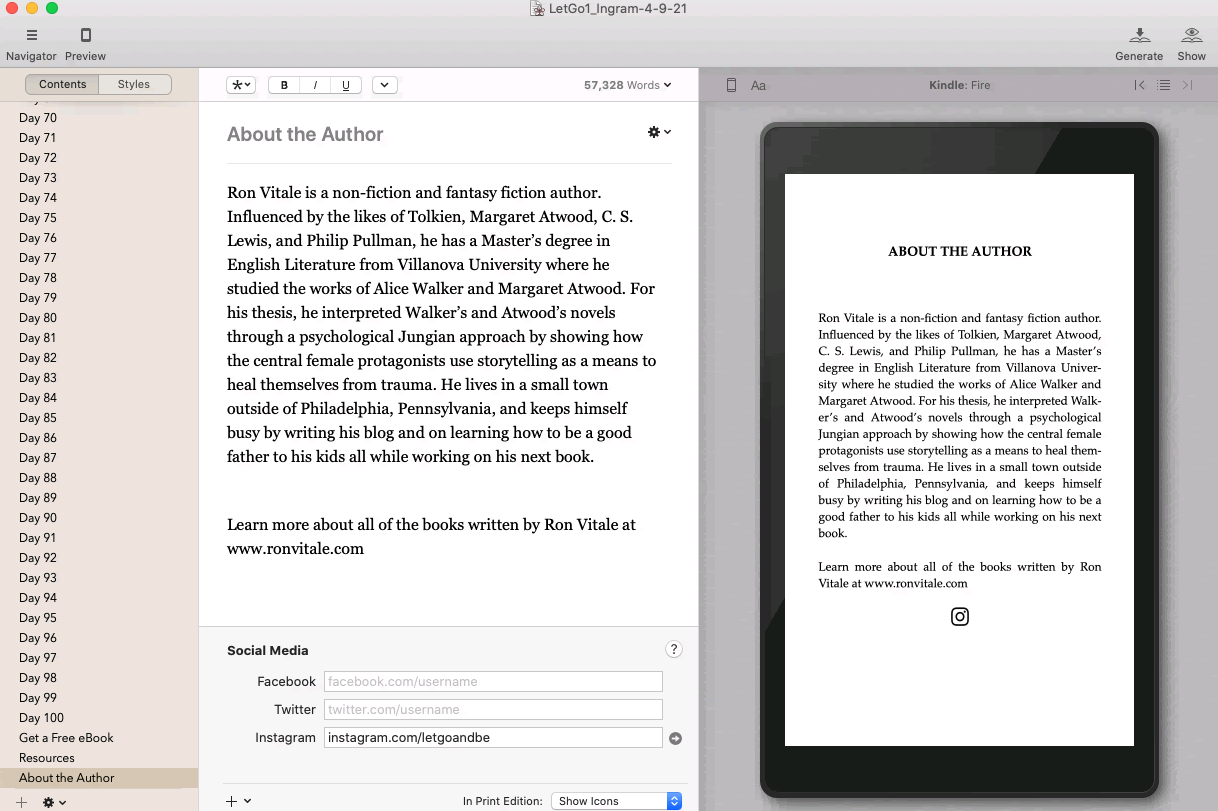
Vellum — Recommended Tool
The formatting tool we use to create beautiful ebooks and print books — no design skills needed.
Try Vellum FreeAffiliate link — we earn a small commission at no cost to you
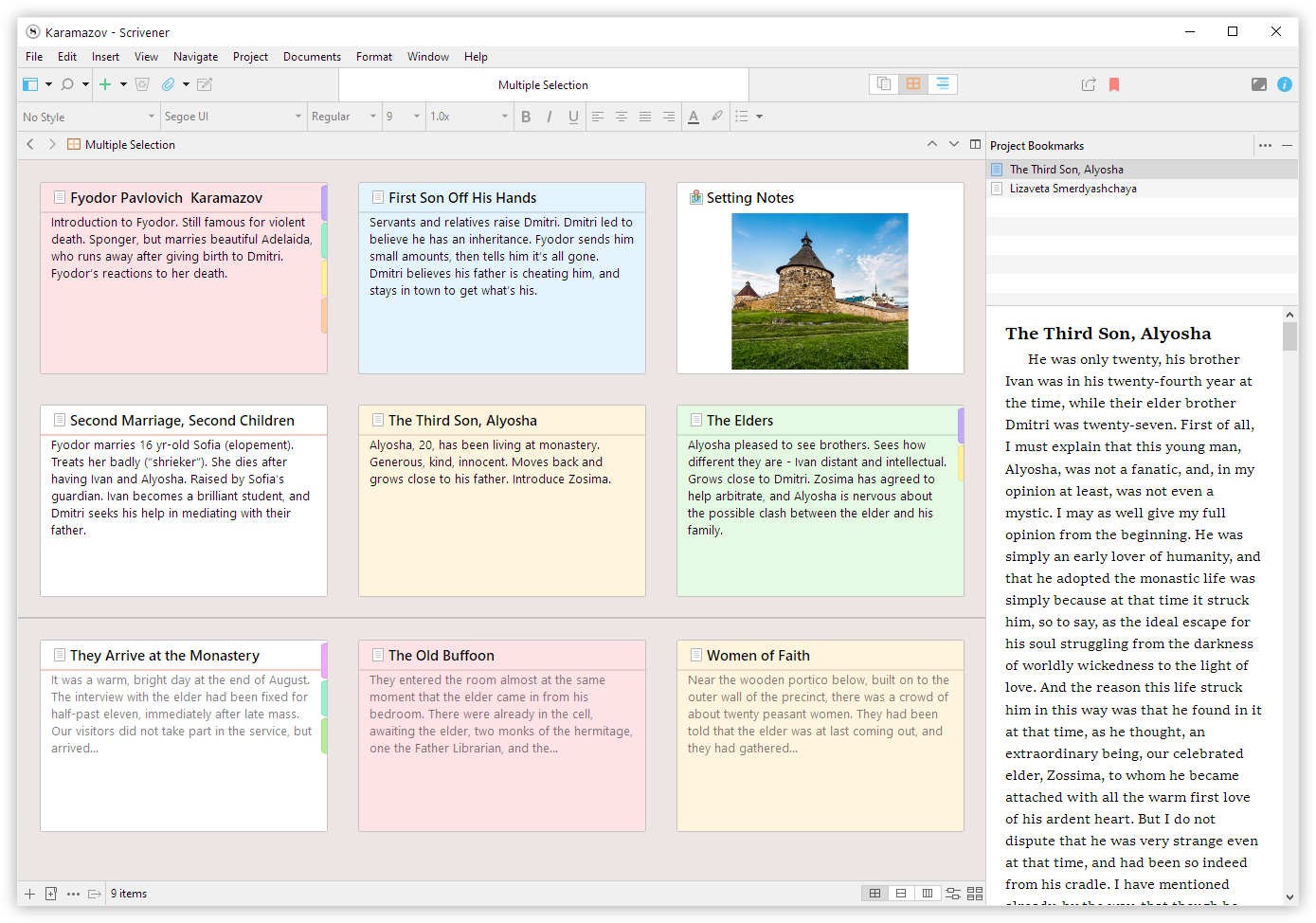
Scrivener — Recommended Tool
The writing app trusted by novelists, screenwriters, and non-fiction authors worldwide.
Get ScrivenerAffiliate link — we earn a small commission at no cost to you
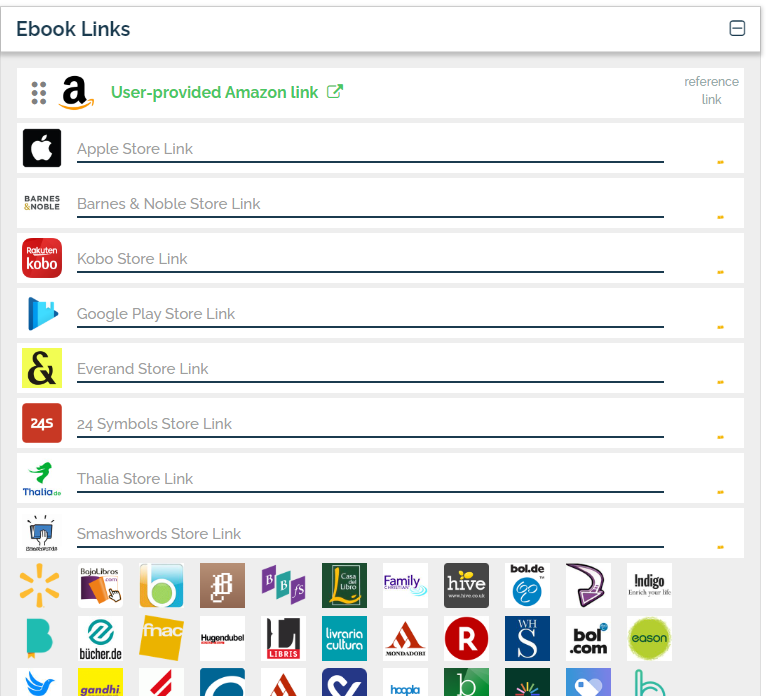
Draft2Digital — Recommended Tool
Distribute your ebook to Amazon, Apple Books, Kobo, and 40+ retailers — completely free.
Start Publishing FreeAffiliate link — we earn a small commission at no cost to you