KDP vs IngramSpark vs Draft2Digital in 2026: The Complete Self-Publishing Platform Comparison
KDP vs IngramSpark vs Draft2Digital is a critical decision for indie authors in 2026, determining how their books reach readers, manage print and ebook distribution, and impact their royalties. This comparison matters because choosing the right platform (or combination) directly affects an author's reach, profitability, and the overall success of their self-publishing journey in an increasingly competitive market.

KDP vs IngramSpark vs Draft2Digital in 2026: The Complete Self-Publishing Platform Comparison
KDP vs IngramSpark vs Draft2Digital is a critical decision for indie authors in 2026, determining how their books reach readers, manage print and ebook distribution, and impact their royalties. This comparison matters because choosing the right platform (or combination) directly affects an author's reach, profitability, and the overall success of their self-publishing journey in an increasingly competitive market.
Table of Contents
- Understanding the Self-Publishing Landscape in 2026
- Amazon KDP (Kindle Direct Publishing): The Market Leader
- IngramSpark: The Professional Print Distribution Powerhouse
- Draft2Digital: The Author-Friendly Aggregator
- Direct Comparison: KDP vs IngramSpark vs Draft2Digital
- Strategic Decisions for Indie Authors in 2026
📚 Recommended Resource: Platform: Get Noticed in a Noisy World by Michael Hyatt This book is essential for authors looking to build a strong online presence and connect with their readers, a crucial aspect regardless of your chosen publishing platform. [Amazon link: https://www.amazon.com/dp/1595553193?tag=seperts-20]
Understanding the Self-Publishing Landscape in 2026
The self-publishing world has matured significantly since its early days, transforming from a niche alternative into a dominant force within the publishing industry. In 2026, indie authors have more power, more tools, and more opportunities than ever before, but also face increased competition and complexity. Navigating this landscape requires strategic thinking, especially when it comes to choosing your distribution channels.
The Evolution of Indie Publishing
What started as a way for authors to bypass traditional gatekeepers has evolved into a sophisticated ecosystem. We've seen the rise of powerful platforms, professional service providers, and a global readership eager for diverse stories. The stigma once associated with self-publishing has largely faded, replaced by respect for authors who take control of their careers. The tools available to authors have also become incredibly robust, from advanced formatting software like Vellum and Atticus to sophisticated marketing analytics. The emphasis has shifted from simply "getting published" to building a sustainable author business.
Why Platform Choice Matters More Than Ever
In 2026, your choice of publishing platform isn't just about where your book is sold; it's about your entire business model. It dictates your reach into global markets, your ability to get into bookstores and libraries, your royalty percentages, and even the marketing strategies available to you. A poorly chosen platform can limit your potential, while a well-considered strategy can unlock new opportunities. For instance, deciding between KDP Select's exclusivity and wide distribution impacts your entire marketing funnel and reader acquisition efforts. Understanding the nuances of each platform is paramount to making informed decisions that align with your long-term author goals.
Key Considerations for Authors Today
When evaluating KDP, IngramSpark, and Draft2Digital, authors in 2026 should consider several factors:
- Global Reach: How far can your book travel? Does the platform reach international markets effectively?
- Print vs. Ebook: What are your primary formats? Do you need robust print distribution for bookstores and libraries, or are you focused mainly on ebooks?
- Royalties and Pricing Control: What percentage of sales do you keep? How much flexibility do you have in setting prices and running promotions?
- Ease of Use and Support: How user-friendly is the platform? What kind of support is available if you run into issues?
- Exclusivity vs. Wide Distribution: Are you willing to commit to one platform for certain benefits (like KDP Select), or do you want your book everywhere?
- Metadata and Discoverability: How well does the platform allow you to optimize your book's metadata for search and discoverability? This is crucial for authors looking to improve their book marketing strategies for self-published authors.
Amazon KDP (Kindle Direct Publishing): The Market Leader
Amazon KDP remains the undisputed giant in the self-publishing world. It's the go-to platform for millions of authors, primarily due to its direct access to the vast Amazon marketplace, where a significant majority of ebook sales occur. For many indie authors, KDP is the first, and sometimes only, platform they use.
KDP's Strengths: Reach and Simplicity
KDP's primary strength lies in its unparalleled reach. Publishing on KDP means your book is available to millions of Amazon customers worldwide, instantly placing it in front of the largest reading audience on the planet. The platform is incredibly user-friendly, with a straightforward upload process for both ebooks and print books (via KDP Print, formerly CreateSpace). Authors can quickly get their books live, often within 24-72 hours.
Another significant advantage is the KDP Select program. By enrolling your ebook exclusively with Amazon for 90-day periods, you gain access to powerful promotional tools like Kindle Unlimited (KU) and Kindle Countdown Deals. KU allows subscribers to read your book for free, and you earn royalties based on pages read. This can be a game-changer for discoverability, especially for authors in popular genres who write in series. For a deeper dive into this, you might want to read our article on Amazon KDP Select vs. Wide Distribution.
KDP also offers competitive royalty rates: 70% for ebooks priced between $2.99 and $9.99 (with some delivery fees) and 35% for books outside that range. For print books, royalties are generally 60% minus printing costs. The reporting dashboard is robust, providing real-time sales data, which is invaluable for tracking performance and adjusting marketing efforts.
KDP's Limitations: Exclusivity and Control
While powerful, KDP does come with limitations. The most prominent is the exclusivity requirement for KDP Select. If you enroll your ebook in KDP Select, it cannot be sold digitally anywhere else, including your own website, for the duration of the enrollment period. This means foregoing sales on Apple Books, Kobo, Google Play, and other retailers. For authors who prioritize wide distribution, this is a significant trade-off.
Another limitation is the print quality and distribution for KDP Print. While perfectly adequate for most authors, KDP Print books are primarily distributed through Amazon.com. They are less likely to be stocked in physical bookstores or easily ordered by libraries compared to books distributed through IngramSpark, which has a much more robust wholesale network. While KDP Print has improved its wholesale terms, it still doesn't match IngramSpark's reach into the traditional book supply chain.
Finally, while Amazon's advertising platform (Amazon Ads) is powerful, it can be complex and expensive for new authors to master, requiring a learning curve to run effective campaigns.
Optimizing Your KDP Strategy in 2026
To succeed with KDP in 2026, authors need to be strategic:
- Master Metadata: Optimize your title, subtitle, keywords, and categories. Amazon's search algorithm relies heavily on this. Spend time researching the best keywords for your genre.
- Craft Compelling Descriptions: Your how to write a book description that sells is crucial for converting browsers into buyers.
- Invest in Professional Covers: A professional book cover is non-negotiable. It's the first impression and a key sales driver. Check out our guide on best book cover design tips for authors.
- Leverage KDP Select (Strategically): For new authors or those with series, KDP Select can be fantastic for building an audience through Kindle Unlimited. Experiment with free book promotions and Kindle Countdown Deals.
- Build an Author Platform: Don't rely solely on Amazon. Build your email list, engage on social media, and create a website. This gives you direct access to your readers, independent of Amazon's algorithms. Our guide on how to build an author platform offers practical advice.
IngramSpark: The Professional Print Distribution Powerhouse
IngramSpark is often seen as the professional's choice for print distribution. It's a service offered by Ingram Content Group, the largest wholesale book distributor in the world. If your goal is to get your print book into physical bookstores, libraries, and other retailers beyond Amazon, IngramSpark is your primary tool.
IngramSpark's Strengths: Wide Print Distribution and Quality
The unparalleled strength of IngramSpark is its global print distribution network. When you publish a print book through IngramSpark, it becomes available to over 40,000 retailers, libraries, and academic institutions worldwide. This includes major chains, independent bookstores, and online retailers like Barnes & Noble, Apple, and even Amazon itself. This level of access is crucial for authors who want their books to be discoverable through traditional channels.
IngramSpark also offers a higher degree of print quality and customization compared to KDP Print. They support a wider range of trim sizes, paper types, and cover finishes, allowing for a more premium-looking product. For example, they offer hardcover options with dust jackets, which KDP Print does not. This makes IngramSpark ideal for non-fiction, children's books, or any book where physical presentation is paramount.
Furthermore, IngramSpark allows authors to set a wholesale discount (typically 30-55%) and offers a returnable option. While making your book returnable increases the risk of returns, it's often a requirement for bookstores to stock your title. This flexibility gives authors more control over how their book is presented and sold to the traditional book trade.
IngramSpark's Challenges: Cost and Complexity
IngramSpark is not as beginner-friendly or free as KDP. There are setup fees for each title ($49 for print, $25 for ebook, often waived with promotional codes) and fees for revisions after publication. While these fees are manageable, they represent an upfront investment that KDP doesn't require.
The platform's interface can also be more complex than KDP's, with more options and settings to navigate, especially concerning wholesale discounts and returnability. The file specifications for print books are also stricter, requiring precise formatting for covers and interiors to avoid rejections. This often necessitates professional design services or a steep learning curve for authors. For a detailed look at print-on-demand, check out our print-on-demand publishing guide.
Finally, while IngramSpark offers ebook distribution, it's generally not their primary strength. Their ebook royalties are often lower than direct platforms, and most authors prefer to distribute ebooks directly through KDP or via an aggregator like Draft2Digital.
📚 Recommended Resource: Strangers to Superfans: A Blueprint for Authors to Build a Tribe of Raving Readers by David Gaughran Building a dedicated readership is key to long-term success. Gaughran provides actionable strategies for turning casual readers into loyal fans, a necessary skill for any author using multiple platforms. [Amazon link: https://www.amazon.com/dp/1948080079?tag=seperts-20]
Leveraging IngramSpark for Your Publishing Business
To make the most of IngramSpark:
- Prioritize Professional Design: Given the stricter file requirements and the goal of bookstore placement, invest in professional cover and interior design. This is not the place to cut corners.
- Understand Wholesale Terms: Carefully consider your wholesale discount and returnability options. A 55% discount and returnable status are often necessary for bookstore interest, but they impact your profit margins.
- Use for Print Only (Often): Many authors use IngramSpark exclusively for print distribution, especially for hardcover and expanded paperback distribution, while handling ebooks elsewhere.
- Order Author Copies: IngramSpark offers competitive pricing for author copies, making it a great option for ordering books for events, signings, or direct sales.
- Get an ISBN: Unlike KDP, which provides a free ASIN, IngramSpark requires you to provide your own ISBN for print books. This is a crucial step for professional distribution. Learn more about ISBN numbers for self-published authors.
Draft2Digital: The Author-Friendly Aggregator
Draft2Digital (D2D) is an ebook and print aggregator, meaning it acts as a middleman, distributing your book to multiple retailers from a single upload. It's known for its user-friendly interface, excellent customer service, and broad reach into various ebook stores.
Draft2Digital's Strengths: Simplicity and Broad Ebook Reach
D2D's biggest advantage is its simplicity and efficiency for wide ebook distribution. With one upload, your ebook can be sent to Apple Books, Kobo, Barnes & Noble (Nook), Google Play Books, Scribd, OverDrive (for libraries), and many other smaller retailers. This saves authors immense time and effort compared to uploading to each platform individually.
The platform is incredibly author-friendly, offering free ebook formatting services. You upload your manuscript in a Word document, and D2D converts it into various ebook formats (EPUB, MOBI, etc.) suitable for all retailers. This is a huge benefit for authors who aren't tech-savvy or don't want to invest in dedicated formatting software like Vellum or Atticus. (Though for professional results, we often recommend tools like those, as discussed in Vellum vs. Atticus: Which Book Formatter Should You Use?).
D2D takes a percentage of the royalties (typically 10-15% of the net royalty from the retailer), but there are no upfront fees. Their customer support is highly praised, and their reporting dashboard provides consolidated sales data from all distributed channels.
Draft2Digital's Considerations: Royalties and Print Options
While D2D simplifies wide distribution, authors should be aware of a few considerations. Because D2D takes a cut of the royalties, your net royalty per sale might be slightly lower than if you uploaded directly to each retailer. For example, if Apple Books offers a 70% royalty, D2D might take 10% of that 70%, leaving you with 63%. For high-volume sellers, these small percentages can add up.
D2D also offers print distribution via a partnership with IngramSpark. This means you can upload your print book to D2D, and they will send it to IngramSpark for distribution. While convenient, it adds another layer between you and IngramSpark, and some authors prefer to go directly to IngramSpark for print for maximum control and direct access to their dashboard. D2D's print options are generally more limited than going direct to IngramSpark, especially for advanced features like specific wholesale discounts or returnability settings.
Maximizing Your Distribution with Draft2Digital
To best utilize Draft2Digital:
- Go Wide for Ebooks (Outside KDP Select): If you're not in KDP Select, D2D is the most efficient way to get your ebook on every major retailer beyond Amazon.
- Leverage Free Formatting: Take advantage of their free formatting service if you're on a budget or prefer simplicity.
- Consider Print (but evaluate direct IngramSpark): For authors who want print distribution but find IngramSpark's direct interface daunting, D2D's print option is a viable alternative. However, if print is a major focus, consider going direct to IngramSpark.
- Use Their Universal Book Links: D2D provides free universal book links (Books2Read) that automatically direct readers to their preferred retailer, simplifying your marketing efforts.
- Explore Library Distribution: D2D's reach into library platforms like OverDrive is a significant benefit for authors looking to expand their readership through library systems.
Direct Comparison: KDP vs IngramSpark vs Draft2Digital
Choosing between these platforms isn't always an either/or decision; often, the most effective strategy involves using a combination. Let's break down their key features.
Feature-by-Feature Breakdown
Here’s a comparison table summarizing the core aspects of each platform in 2026:
| Feature | Amazon KDP | IngramSpark | Draft2Digital |
|---|---|---|---|
| Primary Focus | Ebooks (Amazon), Print (Amazon) | Print (Wide Distribution) | Ebooks (Wide Distribution), Print (via IS) |
| Ebook Distribution | Amazon Kindle Store (global) | Limited, often not primary choice | Apple Books, Kobo, Nook, Google Play, etc. |
| Print Distribution | Amazon.com, limited wholesale | 40,000+ retailers, libraries, global | Via IngramSpark (global) |
| Hardcover Option | No (KDP Print), Yes (KDP Hardcover) | Yes (with dust jacket options) | Yes (via IngramSpark) |
| Setup Fees | Free | $49 (print), $25 (ebook) - often waived | Free |
| Revision Fees | Free | Yes (after initial setup) | Free |
| Royalty Rate (Ebook) | 35% or 70% (minus delivery) | Varies, generally lower net than direct | ~60-75% of retail price (after D2D cut) |
| Royalty Rate (Print) | 60% minus print cost | Varies (based on wholesale discount) | Varies (based on wholesale discount & D2D cut) |
| Exclusivity Option | KDP Select (for ebooks) | None | None |
| Wholesale Discount | Limited (KDP Print) | Customizable (30-55%) | Customizable (via IS partnership) |
| Returnability | No | Yes (optional) | Yes (optional, via IS partnership) |
| ISBN Requirement | Not for Kindle, free for KDP Print (optional own) | Required (must provide your own) | Not for ebooks, required for print (your own) |
| Formatting Tools | Basic (Kindle Create) | Strict file specifications | Free ebook formatting from Word doc |
| Customer Support | Email/Forum | Email/Phone | Excellent Email/Chat |
Royalty Structures and Payouts
Understanding royalty structures is crucial for your bottom line.
- KDP: For ebooks, 70% royalty for books priced $2.99-$9.99 (with delivery fees deducted), 35% outside this range. For print, 60% of list price minus printing costs. Payments are monthly, typically 60 days after the end of the month in which sales occurred.
- IngramSpark: For print, royalties depend heavily on your chosen wholesale discount. If you set a 55% discount, you get 45% of the list price minus printing costs. If a 30% discount, you get 70% minus printing costs. Higher discounts make your book more attractive to retailers but reduce your per-book profit. Payments are monthly, 90 days after the end of the month.
- Draft2Digital: D2D takes approximately 10-15% of the net royalty paid by the retailer. So, if Apple Books pays a 70% royalty, D2D takes 10% of that 70% (7%), leaving you with 63%. This is a small trade-off for the convenience of wide distribution. Payments are monthly, typically 60-90 days after the end of the month, depending on the retailer.
The Hybrid Approach: Combining Platforms
For many successful indie authors in 2026, the optimal strategy isn't choosing one platform, but combining them. This "hybrid" approach leverages the strengths of each:
- Ebooks:
- Option A (KDP Select): Enroll your primary ebook (especially first-in-series) in KDP Select for 90 days to gain Kindle Unlimited reads and promotional tools.
- Option B (Wide): Distribute your ebooks everywhere else via Draft2Digital (Apple Books, Kobo, Nook, Google Play, etc.) to capture readers who don't use Kindle.
- Print Books:
- KDP Print: Use KDP Print for direct sales on Amazon.com. This ensures your book is available on Amazon and often offers slightly better royalties for Amazon sales than IngramSpark.
- IngramSpark: Use IngramSpark for wide print distribution to bookstores, libraries, and other online retailers (like Barnes & Noble, Bookshop.org). This is where you set your wholesale discount and returnability.
This strategy allows you to maximize your reach across both ebook and print markets, catering to different reader preferences and distribution channels. For a deeper dive into self-publishing costs, including platform fees and ISBNs, check out our self-publishing costs breakdown.
Strategic Decisions for Indie Authors in 2026
Making the right choices for your publishing platforms is a strategic decision that impacts your entire author career. It's not just about getting your book "out there," but about building a sustainable business.
Checklist: Choosing Your Publishing Path
Use this checklist to guide your decision-making process:
✅ What is your primary format? * Ebook-focused: KDP (Select or wide via D2D) * Print-focused (especially for bookstores/libraries): IngramSpark * Both equally: Hybrid approach
✅ What is your budget for publishing? * Zero upfront costs: KDP, D2D * Willing to invest in fees for wider print: IngramSpark
✅ Do you prioritize maximum reach or Amazon exclusivity? * Amazon exclusivity (KU reads, promotions): KDP Select * Reach every possible reader/store: Wide distribution (D2D for ebooks, IngramSpark for print)
✅ How important is professional print quality and options (hardcover, specific finishes)? * Standard paperback is fine: KDP Print * Premium quality, hardcover, bookstore appeal: IngramSpark
✅ Are you comfortable with technical formatting, or do you need assistance? * Comfortable/using professional tools (Vellum/Atticus): Direct upload to KDP/IS * Need help/prefer simplicity: D2D (for ebooks)
✅ Do you have an ISBN, or do you need one provided? * Need free one: KDP Print * Have your own/willing to buy: IngramSpark, D2D (for print)
✅ What is your long-term author business goal? * Quick sales on Amazon: KDP * Building a global brand with bookstore presence: Hybrid (KDP + IngramSpark + D2D)
Case Study: The Multi-Platform Success Story
Case Study: Indie Author A.J. Smith — Before/After
Before (2024): A.J. Smith, a fantasy author, published her first novel exclusively on KDP Select for both ebook and print. She saw decent sales on Amazon, especially through Kindle Unlimited, but struggled to gain traction outside the Amazon ecosystem. Her print book was only available on Amazon, making it difficult to get into local bookstores or libraries. She felt limited by the exclusivity and wanted to reach more readers.
After (2026): For her second novel and subsequent books, A.J. adopted a hybrid strategy.
- Ebook Strategy: She continued to enroll the first book in her series in KDP Select for 90 days, using it as a "reader magnet" through Kindle Unlimited. After 90 days, she pulled it from KDP Select and distributed it wide via Draft2Digital, alongside all her other ebooks. This allowed her to reach readers on Apple Books, Kobo, and Google Play, significantly expanding her global ebook sales.
- Print Strategy: She used KDP Print for her paperbacks to ensure direct Amazon sales. Simultaneously, she uploaded the same print files (with a purchased ISBN) to IngramSpark, setting a 55% wholesale discount and making the books returnable. This immediately made her books available to bookstores and libraries worldwide. She even secured a small local bookstore signing, which wouldn't have been possible with KDP Print alone.
Results: A.J. saw a 40% increase in overall book sales within six months of implementing the hybrid strategy. Her Kindle Unlimited page reads remained strong for her lead magnet, while her wide ebook sales provided a consistent income stream from other retailers. Her print books, now available through IngramSpark, opened doors to new marketing opportunities and gave her a more professional presence in the traditional book market. This diversified her income and reduced her reliance on a single platform.
Future-Proofing Your Publishing Strategy
The self-publishing landscape is dynamic. What works today might evolve tomorrow. To future-proof your strategy:
- Stay Informed: Regularly read industry news, follow publishing blogs (like Taciturn Studios blog), and engage with author communities.
- Diversify Your Income: Don't put all your eggs in one basket. Relying solely on one platform or one income stream is risky. The hybrid approach is a form of diversification.
- Build Your Own Platform: Your author website and email list are your most valuable assets. They are independent of any retailer's algorithms or policy changes. Prioritize building your newsletter ninja skills and growing your direct connection with readers.
- Experiment and Adapt: What works for one book or genre might not work for another. Be willing to experiment with different strategies, analyze your data, and adapt your approach based on results.
- Focus on Quality: Regardless of the platform, a professionally written, edited, and designed book will always stand out. Invest in these core elements.
Frequently Asked Questions
Q: Should I use KDP Select for my first book? A: For many new authors, especially those writing in a series, KDP Select can be an excellent way to gain initial visibility through Kindle Unlimited and Amazon's promotional tools. It can help build an audience quickly, which you can then leverage for future wide releases.
Q: Can I use both KDP and IngramSpark for the same print book? A: Yes, this is a common and recommended strategy. You can upload your print book to KDP Print for sales directly on Amazon.com and simultaneously upload the same book (with the same ISBN) to IngramSpark for wider distribution to bookstores and libraries. Ensure your ISBN is consistent across both.
Q: What are the main advantages of using an aggregator like Draft2Digital? A: Draft2Digital simplifies wide ebook distribution by allowing you to upload once and reach multiple retailers (Apple Books, Kobo, Nook, etc.). It also offers free formatting services and excellent customer support, saving authors time and effort.
Q: Do I need an ISBN for my self-published book? A: For ebooks, an ISBN is generally optional (KDP uses ASINs). For print books, KDP can provide a free ASIN, but if you plan to distribute through IngramSpark or want your book to be recognized by the traditional book trade, you must provide your own purchased ISBN.
Q: How do royalties compare between the platforms? A: KDP offers 35% or 70% for ebooks (with delivery fees) and 60% minus print costs for print. IngramSpark royalties for print depend on your wholesale discount (e.g., 45% of list price minus print costs for a 55% discount). Draft2Digital takes a small percentage (10-15%) of the retailer's net royalty for ebooks.
Q: Is it better to go wide or stay exclusive with Amazon? A: There's no single "better" answer; it depends on your goals. KDP Select exclusivity can offer great discoverability and income through Kindle Unlimited. Going wide (using D2D and IngramSpark) maximizes your reach to readers who don't use Kindle and opens doors to bookstores and libraries. Many authors use a hybrid strategy, leveraging both.
Q: What are the upfront costs for each platform? A: KDP is free to use. Draft2Digital is also free, taking a percentage of royalties. IngramSpark has setup fees ($49 for print, $25 for ebook), though these are often waived with promotional codes.
Q: Which platform is best for getting my book into physical bookstores? A: IngramSpark is the undisputed leader for physical bookstore distribution. Its extensive wholesale network and options for returnability and higher wholesale discounts are crucial for attracting bookstore buyers.
Conclusion
Navigating the self-publishing landscape in 2026 requires a nuanced understanding of the tools at your disposal. KDP, IngramSpark, and Draft2Digital each offer distinct advantages, and the most successful indie authors often leverage a combination of these platforms to maximize their reach, profitability, and professional presence. Whether you prioritize Amazon's vast readership, IngramSpark's global print distribution, or Draft2Digital's wide ebook reach, your strategic choices will define your author journey. By carefully considering your goals, budget, and desired level of control, you can craft a publishing strategy that propels your books into the hands of more readers than ever before. The power to publish globally and professionally is truly in your hands.
Ready to find your next great read or publishing resource? Browse the Taciturn Studios library for ebooks, puzzle books, and activity books.
This article contains Amazon affiliate links. If you purchase through them, Taciturn Studios earns a small commission at no extra cost to you.
Tools & Resources We Recommend
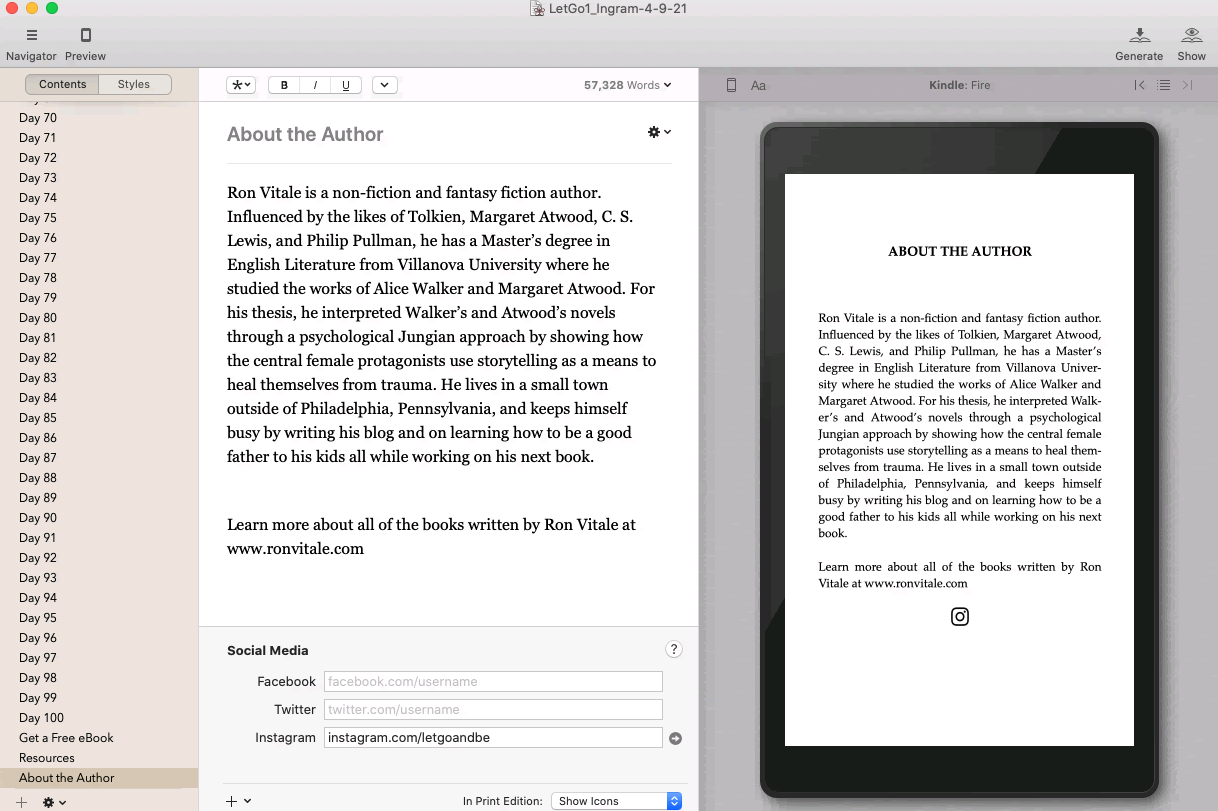
Vellum — Recommended Tool
The formatting tool we use to create beautiful ebooks and print books — no design skills needed.
Try Vellum FreeAffiliate link — we earn a small commission at no cost to you
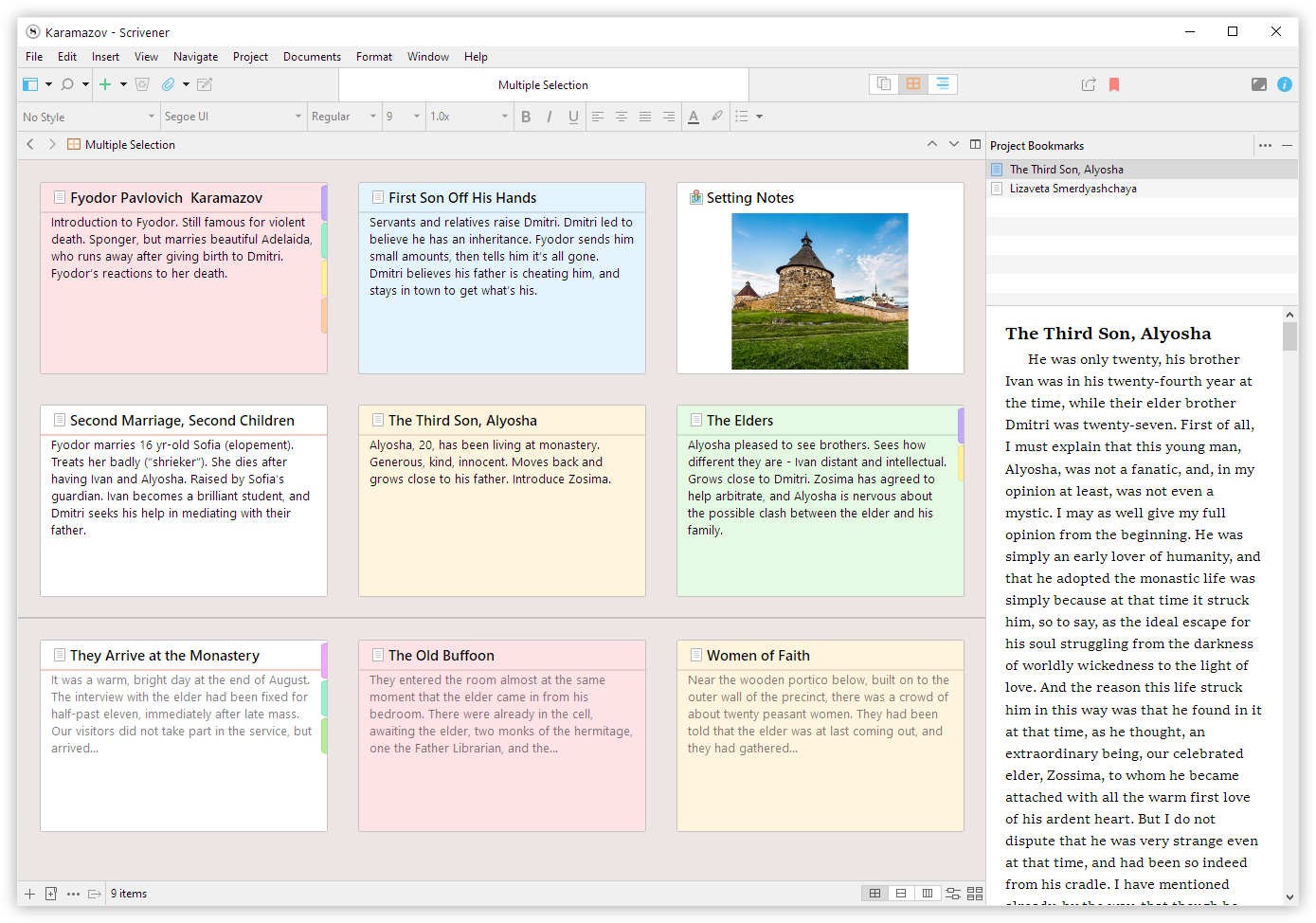
Scrivener — Recommended Tool
The writing app trusted by novelists, screenwriters, and non-fiction authors worldwide.
Get ScrivenerAffiliate link — we earn a small commission at no cost to you
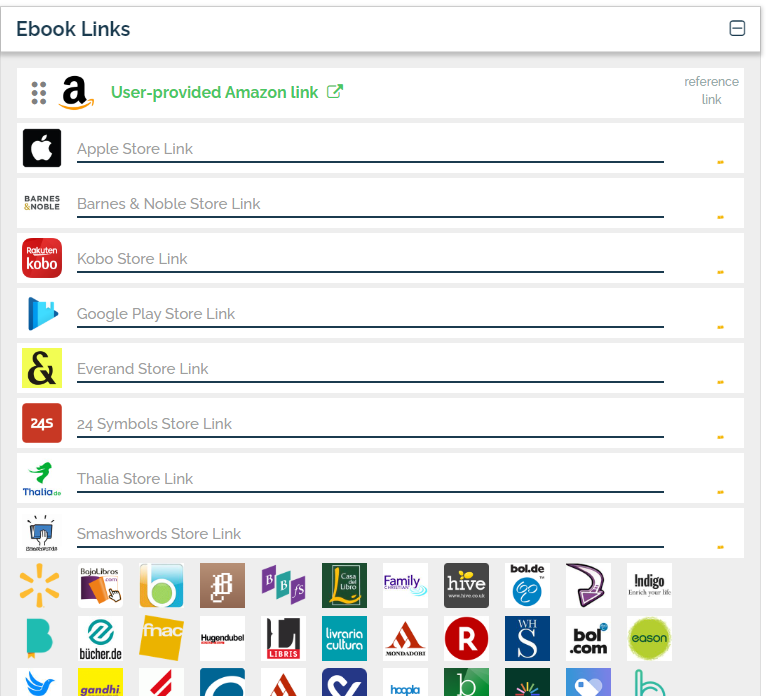
Draft2Digital — Recommended Tool
Distribute your ebook to Amazon, Apple Books, Kobo, and 40+ retailers — completely free.
Start Publishing FreeAffiliate link — we earn a small commission at no cost to you