
Why ISBN Numbers Matter More Than Ever for Self-Published Authors in 2026
ISBN self-publishing is a critical differentiator for professional indie authors looking to maximize their book's reach and control in 2026. An ISBN (International Standard Book Number) is a unique commercial book identifier that allows publishers, booksellers, libraries, and supply chain partners to efficiently locate and manage books.

This article contains Amazon affiliate links. If you purchase through them, Taciturn Studios earns a small commission at no extra cost to you.
Why ISBN Numbers Matter More Than Ever for Self-Published Authors in 2026
ISBN self-publishing is a critical differentiator for professional indie authors looking to maximize their book's reach and control in 2026. An ISBN (International Standard Book Number) is a unique commercial book identifier that allows publishers, booksellers, libraries, and supply chain partners to efficiently locate and manage books. It matters more than ever because, in an increasingly saturated market, a proper ISBN signals legitimacy, unlocks broader distribution channels beyond Amazon, and provides authors with essential control over their book's metadata and future.
Table of Contents
- The Evolving Landscape of Self-Publishing in 2026
- Understanding the Core Value of an ISBN
- Navigating ISBN Acquisition: Bowker ISBN vs. Free Options
- Strategic ISBN Usage for Different Formats and Editions
- Practical Steps: How to Leverage Your ISBN for Maximum Impact
- The Future of ISBNs and Indie Publishing
The Evolving Landscape of Self-Publishing in 2026
The self-publishing world in 2026 is a dynamic, complex ecosystem, far removed from its nascent days. What was once a niche pursuit has blossomed into a global industry, offering unprecedented opportunities alongside formidable challenges. For indie authors, understanding this evolving landscape is crucial, and the role of foundational elements like the ISBN has never been more pronounced.
Market Saturation and the Need for Professionalism
The sheer volume of new books entering the market daily is staggering. Millions of titles are published annually, with a significant portion coming from the self-published sector. This saturation means that simply "having a book out there" is no longer enough. Readers are discerning, and their attention is a precious commodity. To stand out, authors must project an image of professionalism that rivals traditional publishers. This isn't just about cover design or editing; it extends to the very infrastructure of how a book is presented to the world. An ISBN, owned by the author, is a clear signal of this commitment to professional standards, indicating that the author is serious about their craft and their business. Without it, a book can easily get lost in the shuffle, perceived as less legitimate or less invested-in than its professionally published counterparts.
AI's Impact on Content Creation and Discovery
Artificial intelligence is rapidly transforming content creation, from generating plot outlines to drafting entire chapters. While AI tools offer incredible efficiencies, they also contribute to the content deluge. The challenge for readers isn't just finding a book, but finding quality, human-authored books amidst a sea of potentially AI-generated or AI-assisted content. In this environment, anything that authenticates a book's origin and professional handling becomes more valuable. An ISBN, tied to a specific publisher (which, for indie authors, is often their own imprint), helps establish a clear chain of custody and a level of accountability that generic or platform-assigned identifiers cannot. It reinforces the idea that a human author, with a distinct publishing entity, stands behind the work. This will become increasingly important for discovery algorithms and reader trust in 2026.
The Rise of Hybrid and Distributed Publishing Models
The line between traditional and self-publishing continues to blur, with hybrid models gaining traction. Authors are increasingly seeking flexibility, control, and wider reach. This means moving beyond single-platform exclusivity and embracing a multi-channel distribution strategy. To effectively navigate these hybrid and distributed models, a book needs a universal identifier that is recognized and accepted across all platforms, retailers, and libraries. This is precisely what an ISBN provides. Without your own ISBN, you're often locked into the terms and distribution limitations of the platform that provided you with a "free" one. As authors aim for global reach and diverse revenue streams, owning their ISBNs becomes a non-negotiable asset, enabling them to choose their partners and control their destiny.
Metadata Mastery as a Competitive Advantage
In the digital age, metadata is king. It's the data about your data – the title, author, description, categories, keywords, pricing, and more – that helps readers discover your book. Effective metadata is crucial for search engine optimization (SEO) within online bookstores and for general web searches. An ISBN is the cornerstone of this metadata. It acts as the primary key in vast databases, linking all associated information about your book. When you own your ISBN, you have complete control over this critical metadata. You can ensure it's accurate, consistent, and optimized across every platform. This level of control is vital for maximizing discoverability, especially as algorithms become more sophisticated and discerning. In 2026, authors who master their metadata, starting with their own ISBN, will have a significant competitive edge.
Understanding the Core Value of an ISBN
Many new self-published authors, especially those focused solely on Amazon KDP, often question, "do I need an ISBN?" The short answer is: if you want to be a professional author with maximum control and reach, absolutely. The core value of an ISBN extends far beyond a simple identification number; it's a strategic asset that underpins your publishing business.
Beyond Amazon: Unlocking Broader Distribution
While Amazon KDP offers a free ASIN (Amazon Standard Identification Number) for ebooks and a free KDP-assigned ISBN for print books, relying solely on these limits your horizons. An ASIN is proprietary to Amazon and has no meaning outside their ecosystem. A KDP-assigned ISBN lists KDP Print as the publisher of record, not you. If you want your book to be available through Barnes & Noble, Apple Books, Kobo, Google Play Books, IngramSpark, or directly to libraries and independent bookstores, you need your own ISBN. These platforms and institutions require a unique, author-owned ISBN to list and track your book. Without it, you're essentially invisible to a vast segment of the book market. Owning your ISBN is the key that unlocks the door to true wide distribution, allowing your book to reach readers wherever they prefer to buy.
📚 Recommended Resource: Strangers to Superfans by David Gaughran Learn how to build effective reader funnels and reach a wider audience beyond Amazon. [Amazon link: https://www.amazon.com/dp/1948080079?tag=seperts-20]
Establishing Legitimacy and Professional Credibility
In the eyes of booksellers, librarians, and even many readers, an ISBN signals a professionally published book. When a book has an ISBN with the author's own imprint listed as the publisher of record, it conveys a level of seriousness and investment that a KDP-assigned ISBN, or no ISBN at all for an ebook, simply doesn't. This credibility is vital for securing reviews, getting shelf space in physical bookstores (even if only on consignment), and being considered for library acquisition. It tells the industry that you are operating as a legitimate publisher, not just a hobbyist. In 2026, as the indie market matures, this distinction will be more important than ever for authors aiming for long-term careers.
Data Ownership and Metadata Control
When you own your ISBN, you are the publisher of record. This means you control the metadata associated with that ISBN. You can update your book's title, author name, description, categories, keywords, pricing, and other crucial information directly with the ISBN agency (like Bowker in the US) or through your chosen distribution channels. If you use a free ISBN KDP provides, KDP is listed as the publisher, and they control that core metadata. While you can still edit your book's details within KDP, the underlying record reflects KDP as the publisher, which can create inconsistencies or limitations when trying to manage your book across multiple platforms. True data ownership gives you unparalleled flexibility and ensures your book's information is accurate and consistent everywhere it's sold.
Tracking Sales and Performance Across Channels
An ISBN is not just for identification; it's a powerful tool for sales tracking. When your book is distributed widely using your own ISBN, you can aggregate sales data from various retailers and distributors. This comprehensive view allows you to understand your book's performance across different markets, identify trends, and make informed marketing decisions. If you rely on platform-specific identifiers, tracking becomes fragmented and difficult. For instance, comparing sales from Amazon, Apple, and your direct sales channel is much simpler when all versions are linked by a common, author-controlled ISBN. This unified data stream is invaluable for any author serious about building a sustainable publishing business in 2026.
Navigating ISBN Acquisition: Bowker ISBN vs. Free Options
The decision of where and how to acquire an ISBN is one of the most critical choices an indie author makes. It directly impacts control, distribution, and professional perception. Understanding the differences between purchasing your own Bowker ISBN and utilizing free options is paramount.
The Gold Standard: Purchasing Your Own Bowker ISBN
For authors in the United States, Bowker is the official ISBN agency. Purchasing your ISBNs directly from Bowker (or your country's equivalent agency) is considered the gold standard for self-published authors. When you buy from Bowker, you are registered as the publisher of record. This means your imprint name, or your personal name if you don't have an imprint, will be listed as the publisher in all industry databases. This grants you maximum control over your book's metadata, distribution, and long-term future. While there's an upfront cost, it's an investment in your author business. Bowker offers ISBNs individually or in blocks (e.g., 10, 100, 1000), with significant cost savings per ISBN when purchased in larger quantities. For any author planning to publish multiple books or multiple formats of a single book, buying a block of 10 ISBNs is almost always the most cost-effective and strategic choice.
The Allure and Limitations of Free ISBNs (e.g., free ISBN KDP)
Many publishing platforms, most notably Amazon KDP, offer "free" ISBNs to authors. This can seem like an attractive option, especially for new authors on a tight budget. However, these free ISBNs come with significant strings attached. When you accept a free ISBN from KDP (or IngramSpark, or any other platform), that platform is listed as the publisher of record, not you.
Here's a breakdown of the limitations:
- Limited Control: You lose direct control over your book's core metadata in industry databases. While you can edit your book's details on KDP, the underlying publisher information cannot be changed to your imprint.
- Platform Lock-in: A KDP-assigned ISBN can generally only be used for books published through KDP. If you later decide to distribute your book through other channels (like IngramSpark for wider print distribution), you'll need a different ISBN for that version, leading to confusion and fragmented records.
- Perception: To booksellers and librarians, seeing "KDP Print" or "IngramSpark" as the publisher signals a self-published book that might not have gone through the same rigorous process as one from an author's own imprint.
- No Transferability: You cannot transfer a free ISBN to another publisher or use it for a different edition or format of your book if you decide to change platforms.
While a free ISBN KDP offers might be acceptable for a very casual, single-platform ebook, it severely restricts the professional author looking for broad reach and long-term control.
Understanding ISBN Bundles and Pricing
ISBNs are typically purchased in blocks. In the US, Bowker's pricing structure often looks something like this (prices are illustrative and subject to change):
- 1 ISBN: ~$125
- 10 ISBNs: ~$295 (approx. $29.50 per ISBN)
- 100 ISBNs: ~$575 (approx. $5.75 per ISBN)
- 1000 ISBNs: ~$1500 (approx. $1.50 per ISBN)
As you can see, the cost per ISBN drops dramatically with larger bundles. For an author planning a series, multiple books, or different formats (ebook, paperback, hardcover, audiobook) for each title, investing in a block of 10 or 100 ISBNs is a wise financial decision. It's a one-time cost that pays dividends in flexibility and professionalism for years to come. Consider it a business expense, just like editing or cover design.
The Publisher of Record: Why It Matters
The "publisher of record" is the entity officially associated with the ISBN. When you buy your own ISBN, you (or your imprint) are the publisher of record. When you use a free ISBN from a platform, that platform is the publisher of record. This distinction is crucial for several reasons:
- Brand Identity: Your imprint name appears in industry databases, reinforcing your brand.
- Control: As the publisher, you have ultimate control over your book's data and distribution choices.
- Credibility: It signals to the industry that you are a legitimate publishing entity.
- Future Flexibility: If you ever decide to change distributors, sell your publishing rights, or enter into new partnerships, having yourself as the publisher of record simplifies these processes immensely.
This is why, for any author serious about their career, the answer to "do I need an ISBN" is almost always yes, and it should be an ISBN you purchase yourself.
📚 Recommended Resource: Your First 10,000 Readers by Nick Stephenson Essential strategies for building your author platform and connecting with readers. [Amazon link: https://www.amazon.com/dp/1733028609?tag=seperts-20]
Strategic ISBN Usage for Different Formats and Editions
One of the most common misconceptions about ISBNs is that one ISBN covers everything. This is incorrect. An ISBN identifies a specific edition of a specific format of a book. Understanding this nuance is critical for strategic ISBN usage and avoiding costly mistakes or limitations down the line.
ISBNs for Ebooks, Paperbacks, and Hardcovers
Each distinct format of your book requires its own unique ISBN. This means:
- Ebook: Your ebook (e.g., Kindle, EPUB for Apple Books/Kobo) needs its own ISBN.
- Paperback: Your paperback edition needs a separate ISBN.
- Hardcover: If you publish a hardcover edition, it will need yet another unique ISBN.
Even if the content is identical, the format difference necessitates a new ISBN because each format is a distinct product in the supply chain. For example, a bookstore needs to distinguish between ordering a paperback and a hardcover version of the same title. Libraries need to catalog them separately. This is why purchasing ISBNs in blocks is so beneficial; a single book published in ebook, paperback, and hardcover formats will consume three ISBNs from your block.
Audiobooks and Other Emerging Formats
The requirement for unique ISBNs extends to audiobooks as well. An audiobook, whether it's a downloadable digital file or a physical CD set, is considered a distinct format and therefore needs its own ISBN. As new publishing technologies and formats emerge, the general rule of thumb will continue to apply: if it's a distinct product that can be sold or distributed separately, it needs its own ISBN. This might include interactive ebooks, enhanced multimedia editions, or even future holographic book formats. Always plan to allocate a new ISBN for any new format you release.
Revisions, New Editions, and Series Considerations
Beyond different formats, significant revisions or new editions also warrant a new ISBN.
- Minor Corrections: Small typographical fixes or minor edits generally do not require a new ISBN. The existing ISBN remains valid.
- Significant Revisions/New Editions: If you make substantial changes to the content (e.g., adding new chapters, updating factual information, rewriting large sections), it's considered a new edition and does require a new ISBN. This helps readers and retailers distinguish between the old and new versions.
- Series: Each book in a series needs its own unique ISBN. There is no "series ISBN" that covers all books. While a series might have a collective title, each individual volume is a distinct publication.
Case Study: Series Expansion — Before/After
Before: Author A published "Fantasy Quest Book 1" on KDP, using a free KDP ISBN for the paperback and no ISBN for the ebook. They then published "Fantasy Quest Book 2" the same way. When they wanted to expand to libraries and other retailers, they realized they couldn't use the KDP-assigned ISBNs. They had to purchase new ISBNs, re-upload their books, and manage two sets of records for each title, causing confusion and extra work.
After: Author B, having learned from Author A, purchased a block of 10 ISBNs from Bowker. For "Sci-Fi Saga Book 1," they assigned one ISBN for the ebook, one for the paperback, and one for the hardcover. For "Sci-Fi Saga Book 2," they did the same. When they planned "Sci-Fi Saga Book 3," they still had ISBNs available. This allowed them to distribute widely from day one, maintain consistent metadata, and present a professional image across all platforms, including libraries and bookstores.
The ISBN and Library Inclusion
Libraries are a crucial, often overlooked, market for indie authors. Many libraries rely on ISBNs for their cataloging systems and acquisition processes. A book without a proper ISBN (one where the author is the publisher of record) is significantly less likely to be acquired by libraries. They need a standard identifier to integrate your book into their vast collections and make it discoverable by patrons. Furthermore, many library distributors (like OverDrive or Baker & Taylor) require ISBNs for inclusion. If you dream of seeing your book on library shelves or available digitally through library apps, owning your ISBNs is not just recommended; it's practically a prerequisite.
Practical Steps: How to Leverage Your ISBN for Maximum Impact
Acquiring an ISBN is just the first step. To truly maximize its impact, indie authors need a strategic approach to its usage, metadata management, and distribution. Here's a four-step framework to leverage your ISBN effectively in 2026.
Step 1 of 4: Purchase Your ISBNs Strategically
The first and most crucial step is to acquire your ISBNs from the official agency in your country (e.g., Bowker in the US, ISBN Canada, Nielsen UK ISBN Agency).
✅ Assess your publishing plan: How many books do you anticipate publishing in the next 3-5 years? How many formats (ebook, paperback, hardcover, audiobook) will each book have? ✅ Buy in bulk: Based on your assessment, purchase a block of ISBNs (10, 100, or more). This is almost always more cost-effective than buying them one by one. ✅ Establish your imprint: Before purchasing, decide on your "publisher name" or imprint. This is what will be associated with your ISBNs and appear in industry databases. It can be your name, a pen name, or a distinct business name. ✅ Budget for the investment: View ISBNs as a necessary business expense, similar to editing or cover design. It's an investment in your long-term author career.
Step 2 of 4: Register Your Metadata Accurately
Once you own your ISBNs, the next critical step is to register them with accurate and comprehensive metadata. This is where you truly exert control over your book's identity in the global publishing ecosystem.
✅ Register with your ISBN agency: For Bowker, this means using their MyIdentifiers portal. Enter all relevant information: title, author, publisher (your imprint), publication date, format, description, categories, keywords, pricing, and more. ✅ Be meticulous: Ensure all information is consistent and error-free. This data feeds into major industry databases (like Books In Print), which booksellers and libraries consult. Inaccurate metadata can hinder discoverability. ✅ Optimize for discoverability: Use strong keywords and categories that readers are likely to search for. Think like a reader and a librarian. ✅ Update as needed: If you make significant changes to your book (e.g., a new edition, a new cover that changes the perceived genre), update your metadata accordingly.
Step 3 of 4: Distribute Widely Beyond KDP
With your own ISBNs and robust metadata, you are now empowered to reach a much broader audience than KDP alone can offer.
Comparison Table: Distribution Pathways with vs. without Own ISBN
| Feature/Pathway | With Own ISBN (Author as Publisher) | Without Own ISBN (e.g., KDP-assigned) |
|---|---|---|
| Publisher of Record | Your Imprint/Name | KDP Print, IngramSpark, etc. |
| Primary Print Distributor | IngramSpark (for wide retail/library access) | KDP Print (primarily Amazon) |
| Ebook Distribution | Draft2Digital, StreetLib, PublishDrive (for wide retailer reach) | KDP (Amazon exclusive or limited wide), direct uploads |
| Library Access | High (via IngramSpark, OverDrive, etc.) | Very Low (often rejected due to publisher of record) |
| Physical Bookstores | Possible (via IngramSpark, direct consignment) | Extremely difficult (limited to Amazon, no direct bookstore access) |
| Metadata Control | Full control via ISBN agency & distributors | Limited, controlled by the platform providing the ISBN |
| Flexibility | High (can switch distributors, adapt strategy) | Low (tied to the platform's terms) |
| Professional Perception | High (signals serious author/publisher) | Lower (often seen as hobbyist/less invested) |
✅ Choose your distributors wisely: For print, IngramSpark is generally the go-to for wide distribution to bookstores and libraries. For ebooks, aggregators like Draft2Digital or StreetLib can get your book into Apple Books, Kobo, Google Play, and many other retailers. ✅ Avoid exclusivity (unless strategic): Unless you have a compelling reason (like Kindle Unlimited's exclusivity for ebooks), avoid limiting your distribution to a single platform. ✅ Consider direct sales: Use your ISBN to facilitate direct sales from your own website, giving you higher royalty rates and direct customer relationships. Taciturn Studios offers resources to help with this.
Step 4 of 4: Monitor and Adapt Your Strategy
Publishing is an iterative process. Your ISBN strategy should be too.
✅ Track sales data: Use the unified sales data enabled by your own ISBNs to monitor performance across all channels. Identify which retailers or regions are performing best. ✅ Gather reviews: Encourage reviews across all platforms. Positive reviews are crucial for discoverability and sales. ✅ Engage with your audience: Build a strong author platform and connect with readers. More publishing guides can help you with this. ✅ Stay informed: The publishing landscape is constantly changing. Keep up with industry news, new distribution opportunities, and evolving ISBN standards. Be prepared to adapt your strategy as needed.
The Future of ISBNs and Indie Publishing
As we look towards the horizon of 2026 and beyond, the publishing industry will continue its rapid evolution, driven by technological advancements and shifting consumer behaviors. While new identifiers and systems may emerge, the fundamental need for a universal, persistent identifier like the ISBN is likely to remain, adapting to new challenges and opportunities.
Blockchain and Digital Ledger Technologies
The advent of blockchain technology presents intriguing possibilities for the future of intellectual property and content distribution. Imagine a world where every book's metadata, ownership, and sales history are immutably recorded on a decentralized ledger. In such a system, the ISBN could serve as the primary key, linking to a blockchain record that verifies authorship, tracks royalties, and even manages digital rights. This could enhance transparency, reduce fraud, and simplify complex rights management for indie authors. While not yet mainstream in publishing, the underlying principles of blockchain could bolster the ISBN's role as a trusted, verifiable identifier.
Enhanced Metadata Standards (ONIX)
The ONIX (Online Information Exchange) standard is already the global benchmark for communicating book product information. As publishing becomes more global and digital, the need for richer, more granular metadata will only increase. Future iterations of ONIX, coupled with the ISBN, will allow authors to provide even more detailed information about their books – from accessibility features to specific content tags for AI-driven discovery engines. Authors who own their ISBNs will be best positioned to leverage these enhanced metadata standards, ensuring their books are discoverable by the widest possible audience through increasingly sophisticated search and recommendation algorithms.
Global Expansion and Localization
The indie publishing market is truly global. Authors are reaching readers in every corner of the world, and readers are seeking content from diverse voices. The ISBN, as an international standard, is perfectly positioned to facilitate this global exchange. Future developments might include more streamlined international ISBN acquisition processes or enhanced features for localizing metadata for different linguistic and cultural markets. For authors aiming for global reach, their own ISBNs will be essential for navigating these complex international distribution networks and ensuring their books are correctly identified and cataloged worldwide.
The Enduring Role of Unique Identifiers
Despite all the technological changes, the core problem that the ISBN solves – uniquely identifying a specific published item – remains fundamental. Whether it's a physical book in a warehouse, an ebook file on a server, or an audiobook streaming to a device, each needs a distinct identifier for efficient management, sales tracking, and discovery. While new identifiers might supplement or integrate with the ISBN, it's unlikely to be entirely replaced. Its widespread adoption and integration into existing supply chains make it an enduring and indispensable tool for publishers of all sizes, especially for indie authors who seek to operate with the same professionalism and reach as traditional houses. The question "do I need an ISBN" will continue to be answered with a resounding "yes" for any author serious about their craft in 2026 and beyond.
Frequently Asked Questions
Q: Do I need an ISBN for my ebook if I'm only publishing on Amazon KDP? A: No, technically you don't need one. Amazon assigns an ASIN (Amazon Standard Identification Number) to ebooks, which works within their ecosystem. However, if you ever plan to distribute your ebook beyond Amazon (e.g., Apple Books, Kobo, Google Play), you will need your own ISBN for that specific ebook edition.
Q: What is the difference between a free ISBN KDP offers and a Bowker ISBN? A: A free ISBN from KDP lists KDP Print as the publisher of record, limiting your control over metadata and distribution to other platforms. A Bowker ISBN (which you purchase) lists you or your imprint as the publisher of record, giving you full control and enabling wide distribution to any retailer or library.
Q: How many ISBNs do I need for one book? A: You need a separate ISBN for each distinct format and edition of your book. For example, one for the ebook, one for the paperback, and one for the hardcover. If you later release a significantly revised "second edition," that would also require a new ISBN.
Q: Can I use the same ISBN for my paperback and hardcover versions? A: No, you cannot. Each distinct format (paperback, hardcover, ebook, audiobook) requires its own unique ISBN. This allows booksellers and libraries to differentiate between the physical products.
Q: Is it worth buying a block of ISBNs from Bowker if I only plan to publish one book? A: If you are absolutely certain you will only ever publish one book in one format, then buying a single ISBN might suffice. However, most authors find they publish multiple books or multiple formats (ebook, paperback, hardcover, audiobook). Buying a block of 10 ISBNs is significantly more cost-effective per ISBN and provides flexibility for future projects.
Q: What happens if I use a free ISBN from KDP and then want to distribute my print book through IngramSpark? A: You cannot use the KDP-assigned ISBN for IngramSpark. You would need to purchase your own ISBN and use that for your IngramSpark print edition. This means you'd have two different ISBNs for essentially the same book, leading to fragmented records and potential confusion.
Q: Does an ISBN guarantee my book will be in libraries or bookstores? A: No, an ISBN does not guarantee placement. It is a necessary tool that enables your book to be considered by libraries and bookstores, as they rely on ISBNs for their ordering and cataloging systems. Without an ISBN, your chances are extremely low. With one, you've met a fundamental requirement.
Q: What is the "publisher of record" and why is it important? A: The publisher of record is the entity officially associated with the ISBN in global databases. When you own your ISBN, you (or your imprint) are the publisher of record, giving you ultimate control over your book's metadata and distribution. If you use a free ISBN from a platform, that platform becomes the publisher of record, limiting your control and flexibility.
Conclusion
In the increasingly competitive and technologically advanced self-publishing landscape of 2026, the ISBN has evolved from a simple identification number into a strategic cornerstone for any author serious about building a professional, sustainable career. It's the key to unlocking wide distribution beyond the confines of a single platform, establishing crucial legitimacy with booksellers and libraries, and maintaining absolute control over your book's vital metadata. While the allure of free ISBNs can be tempting, the limitations they impose on your reach, flexibility, and professional standing far outweigh the initial cost savings.
By investing in your own block of ISBNs, meticulously managing your metadata, and strategically distributing your work, you position yourself as a true publisher, capable of navigating the complexities of the global book market. The future of publishing is dynamic, with AI, blockchain, and enhanced data standards on the horizon, but the fundamental need for a unique, author-controlled identifier remains constant. For indie authors aiming for long-term success and maximum impact, understanding and leveraging the power of the ISBN is not just important—it's essential.
Ready to find your next great read or publishing resource? Browse the Taciturn Studios library for ebooks, puzzle books, and activity books.
Tools & Resources We Recommend
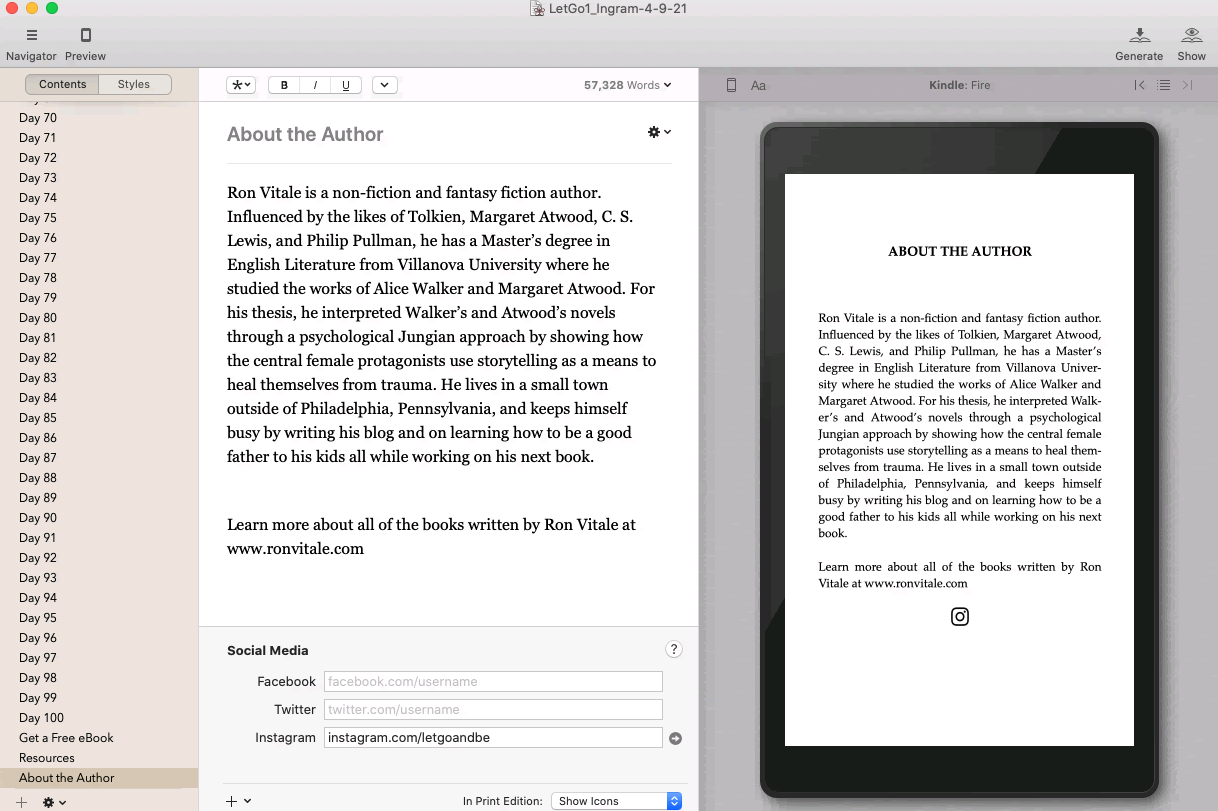
Vellum — Recommended Tool
The formatting tool we use to create beautiful ebooks and print books — no design skills needed.
Try Vellum FreeAffiliate link — we earn a small commission at no cost to you
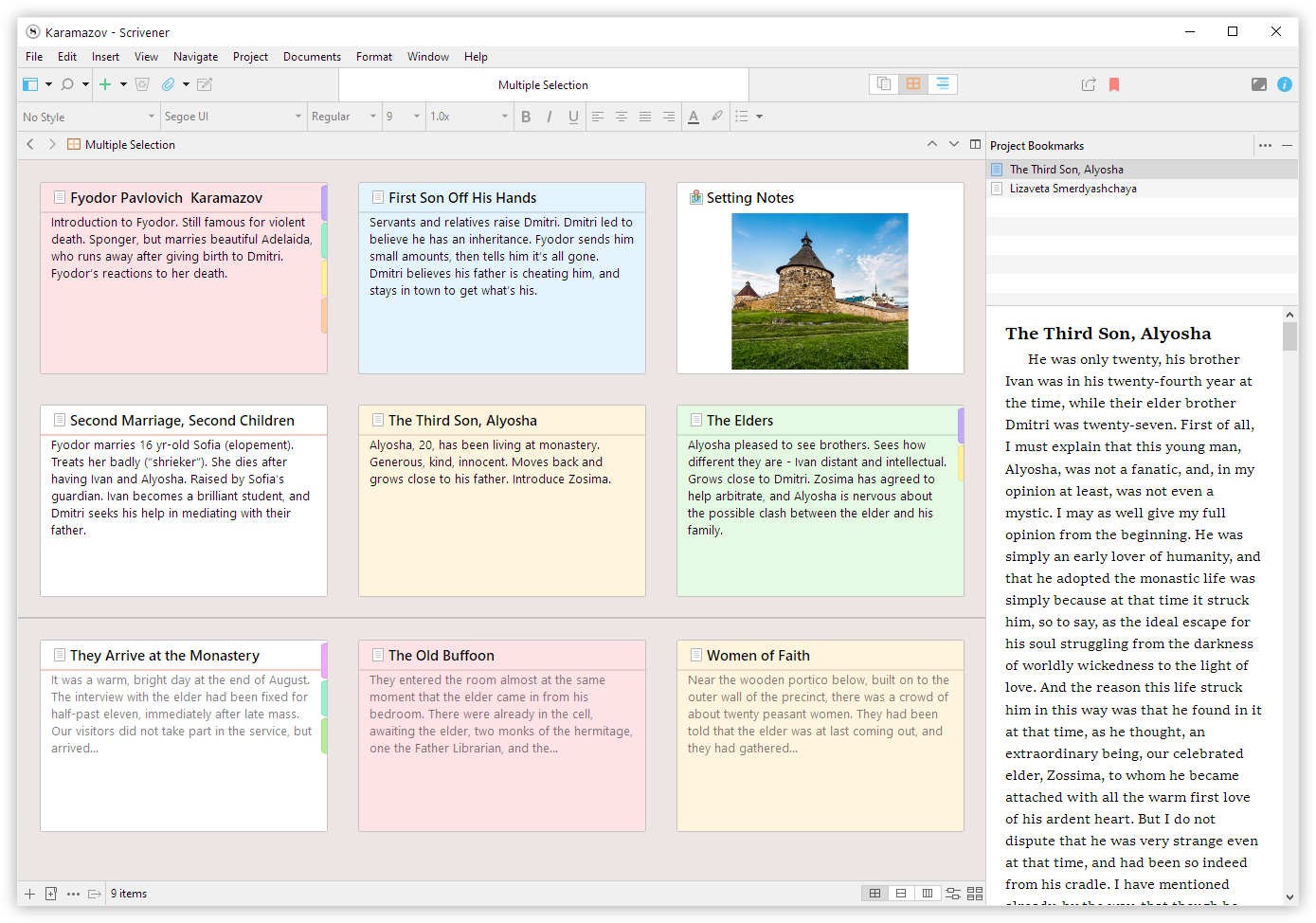
Scrivener — Recommended Tool
The writing app trusted by novelists, screenwriters, and non-fiction authors worldwide.
Get ScrivenerAffiliate link — we earn a small commission at no cost to you
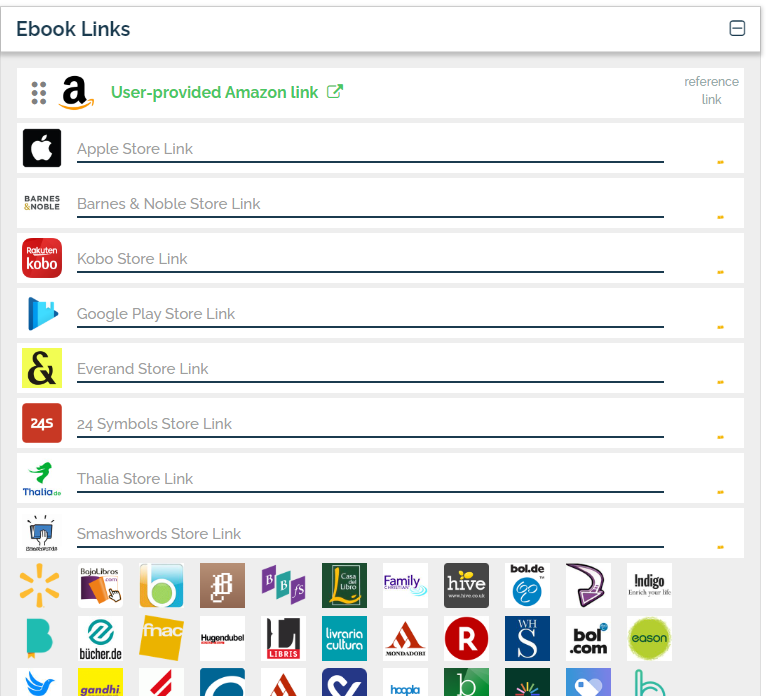
Draft2Digital — Recommended Tool
Distribute your ebook to Amazon, Apple Books, Kobo, and 40+ retailers — completely free.
Start Publishing FreeAffiliate link — we earn a small commission at no cost to you