
Why ISBN Numbers Matter More Than Ever for Self-Published Authors in 2026
ISBN self-publishing is crucial for indie authors seeking professional legitimacy, wider distribution, and long-term discoverability in 2026. While some platforms offer free ISBNs, purchasing your own provides essential control over your book's metadata, enabling true ownership and broader market access beyond a single retailer.

Why ISBN Numbers Matter More Than Ever for Self-Published Authors in 2026
ISBN self-publishing is crucial for indie authors seeking professional legitimacy, wider distribution, and long-term discoverability in 2026. While some platforms offer free ISBNs, purchasing your own provides essential control over your book's metadata, enabling true ownership and broader market access beyond a single retailer. This distinction is increasingly vital as the self-publishing landscape becomes more competitive and sophisticated.
Table of Contents
- The Evolving Landscape of Self-Publishing and the ISBN's Role
- The Rise of Professional Indie Publishing
- The Data-Driven Publishing Ecosystem
- Why "Free" ISBNs Aren't Truly Free
- Understanding the ISBN: What It Is and What It Isn't
- Decoding the 13 Digits
- ISBN vs. ASIN: Knowing the Difference
- The Metadata Powerhouse
- The Strategic Advantages of Owning Your ISBN
- Unlocking Wider Distribution Channels
- Maintaining Brand Consistency and Control
- Future-Proofing Your Publishing Career
- Navigating ISBN Acquisition: Bowker and Beyond
- Step 1 of 3: Researching Your Country's ISBN Agency
- Step 2 of 3: Purchasing Your ISBNs Strategically
- Step 3 of 3: Registering Your Book's Metadata
- Common ISBN Myths and Misconceptions Debunked
- Myth: "I only need one ISBN for my book."
- Myth: "Free KDP ISBNs are good enough."
- Myth: "ISBNs are just for print books."
- The Future of ISBNs in a Digital-First World
- Enhanced Discoverability with Rich Metadata
- The Role of ISBNs in Library and Academic Systems
- ISBNs and the Rise of AI in Book Discovery
The Evolving Landscape of Self-Publishing and the ISBN's Role
The world of self-publishing has transformed dramatically over the past decade. What was once seen as a last resort for authors unable to secure traditional deals is now a vibrant, professional industry. In 2026, the lines between traditional and independent publishing continue to blur, making the strategic decisions authors make even more critical. Among these decisions, the choice regarding ISBN self-publishing stands out as a cornerstone of a professional and sustainable author career.
The Rise of Professional Indie Publishing
Gone are the days when self-published books were synonymous with amateurish covers and unedited prose. Today, indie authors are investing in professional editing, cover design, and marketing, often producing books that rival, if not surpass, traditionally published titles in quality. This professionalization has elevated reader expectations. When a reader encounters a book, they subconsciously assess its legitimacy. An ISBN, particularly one purchased and owned by the author, signals a commitment to professional standards. It indicates that the author views their work as a legitimate product within the global publishing ecosystem, not just a hobby project. This perception is crucial for building a long-term author brand and attracting repeat readers. As competition intensifies, every detail that contributes to a professional image becomes a significant advantage.
The Data-Driven Publishing Ecosystem
In 2026, data reigns supreme. Publishers, retailers, libraries, and even readers rely on robust metadata to discover, categorize, and sell books. The ISBN is the linchpin of this data ecosystem. It's not just a number; it's a unique identifier that links your book to a wealth of information: title, author, publisher, format, genre, publication date, and more. Without a properly assigned and registered ISBN, your book exists in a silo, making it difficult for automated systems to track, display, and recommend it. Retailers like Amazon, Barnes & Noble, and Kobo, along with countless smaller bookstores and libraries, use ISBNs to manage their inventory and sales data. For authors, this means that owning and controlling your ISBN allows you to dictate how your book's data is presented across all platforms, ensuring consistency and accuracy. This data control is paramount for effective marketing and sales analysis, helping authors make informed decisions about their publishing strategy.
Why "Free" ISBNs Aren't Truly Free
Many self-publishing platforms, notably Amazon KDP, offer authors a "free" ISBN. While this might seem like a convenient and cost-saving option, it comes with significant strings attached. When you accept a free ISBN from a platform, that platform is listed as the publisher of record for that specific edition of your book. This has several implications. Firstly, it limits your distribution options. If Amazon is the publisher of record, you might find it difficult to distribute that exact edition through other channels like IngramSpark, Barnes & Noble Press, or libraries, as they prefer to deal directly with the true publisher (you, the author, or your publishing imprint). Secondly, it restricts your control over your book's metadata. The platform dictates how the information associated with that ISBN is managed and displayed. For authors serious about building an independent publishing business, this lack of control is a major drawback. Think of it this way: a free ISBN is like renting a house; you have a place to stay, but you can't make significant changes or truly call it your own. Purchasing your own ISBNs is like buying the house; you own the deed, you control the property, and you can rent it out or sell it as you see fit. This distinction is vital for long-term strategy and flexibility in the rapidly evolving publishing world. For more on navigating these choices, consider exploring resources like our guide on Amazon KDP Select vs. Wide Distribution.
Understanding the ISBN: What It Is and What It Isn't
The International Standard Book Number (ISBN) is often misunderstood by new authors. It's more than just a barcode; it's a critical component of your book's identity in the global marketplace. Understanding its structure and function is the first step toward leveraging it effectively for your self-publishing career.
Decoding the 13 Digits
Since January 1, 2007, all ISBNs are 13 digits long, replacing the older 10-digit format. These 13 digits are divided into five parts, each separated by a hyphen, and each part conveys specific information:
- Prefix Element (978 or 979): This is a fixed prefix, currently either 978 or 979, indicating that it's a product number from the "Bookland" EAN (European Article Number) system.
- Registration Group Element: Identifies the country, language area, or geographical area. For English-speaking countries like the US, UK, Canada, Australia, and New Zealand, this is typically '0' or '1'.
- Registrant Element: Identifies the specific publisher within that registration group. This is the part that identifies you (or your publishing imprint) as the publisher if you purchase your own ISBNs.
- Publication Element: Identifies a specific edition of a specific title by a specific publisher. This is where the uniqueness for each format (paperback, hardcover, ebook, audiobook) comes in.
- Check Digit: A single digit used to mathematically validate the rest of the ISBN, ensuring accuracy.
When you purchase a block of ISBNs from your country's official agency (like Bowker in the US), you are essentially buying a block of numbers under your unique Registrant Element. This is why owning your ISBNs is so powerful – it firmly establishes you as the publisher of record for those specific editions.
ISBN vs. ASIN: Knowing the Difference
A common point of confusion for authors publishing on Amazon KDP is the difference between an ISBN and an ASIN.
- ISBN (International Standard Book Number): This is a global, industry-standard identifier for books and book-like products. It's assigned by an international agency (or its national delegates) and is recognized worldwide by bookstores, libraries, distributors, and publishing databases. It identifies a specific edition of a book (e.g., the paperback version, the hardcover version, the EPUB ebook version).
- ASIN (Amazon Standard Identification Number): This is a 10-character alphanumeric identifier used only by Amazon. It's Amazon's internal product identifier for virtually everything they sell, not just books. For books, Amazon often uses the ISBN as the ASIN, but if a book doesn't have an ISBN (e.g., a Kindle-only ebook published without an author-provided ISBN), Amazon will assign it a unique ASIN.
The key takeaway: an ISBN is universal; an ASIN is Amazon-specific. If you want your book to be discoverable and purchasable beyond Amazon's ecosystem, an ISBN is non-negotiable. While a Kindle ebook doesn't require an ISBN to be sold on Amazon (it will get an ASIN), providing one links your Kindle edition to its print counterparts and enhances its professional standing across all systems.
The Metadata Powerhouse
Beyond its identification function, the ISBN is a powerful metadata tool. Metadata is "data about data," and in publishing, it refers to all the descriptive information about your book: title, author, subtitle, series, genre, keywords, description, cover image, price, publication date, contributors, and more. When you register an ISBN, you link all this crucial metadata to that unique number.
This linked metadata is what powers book discovery. When a reader searches for a book by genre, keyword, or author, it's the metadata that allows retailers and libraries to present your book. Accurate and comprehensive metadata, anchored by your ISBN, ensures:
- Correct Categorization: Your book appears in the right genres and subgenres.
- Enhanced Searchability: Readers can find your book using relevant keywords.
- Consistent Information: The same cover, description, and price are displayed everywhere.
- Improved Discoverability: Libraries, schools, and international distributors can easily find and order your book.
In 2026, with countless books being published daily, robust metadata is your book's best advocate. An ISBN you own gives you direct control over this critical information, preventing errors and ensuring your book is presented optimally across the entire publishing ecosystem. For more insights on optimizing your book's presentation, check out our guide on how to write a book description that sells.
📚 Recommended Resource: Strangers to Superfans by David Gaughran Learn how to build effective reader funnels and turn casual readers into loyal fans, a crucial step for any indie author. [Amazon link: https://www.amazon.com/dp/1948080079?tag=seperts-20]
The Strategic Advantages of Owning Your ISBN
For self-published authors aiming for a long-term, professional career, owning your ISBNs isn't just a best practice; it's a strategic imperative. It unlocks doors to wider markets, grants you unparalleled control, and future-proofs your publishing efforts.
Unlocking Wider Distribution Channels
One of the most significant advantages of owning your ISBNs is the ability to distribute your book widely, beyond the confines of a single retailer. While platforms like KDP are excellent for reaching Amazon's vast audience, a truly successful author understands the importance of "going wide."
- IngramSpark: This is arguably the most critical distribution channel for indie authors seeking broad reach. IngramSpark distributes to over 40,000 retailers, libraries, and academic institutions worldwide, including Barnes & Noble, independent bookstores, and online stores. They require your ISBN for both print and ebooks. If you use a KDP-provided ISBN for your print book, IngramSpark will not allow you to distribute that exact edition, forcing you to choose between the two or create a separate edition with a new ISBN. Owning your ISBN allows you to use the same ISBN for your print book across both KDP (if you choose) and IngramSpark, ensuring consistency and maximizing reach.
- Libraries: Libraries are a huge market, and they almost exclusively rely on ISBNs for ordering and cataloging. With your own ISBN, you can make your book available through library distributors like OverDrive, Baker & Taylor, and others, opening up a new revenue stream and increasing your book's visibility.
- Academic Institutions: If your book has educational or non-fiction appeal, an ISBN is essential for it to be considered by universities and colleges for course adoption.
- International Markets: While Amazon has international storefronts, many countries have their own dominant online and physical bookstores. An ISBN ensures your book can be listed and sold through these local channels.
By owning your ISBN, you retain the flexibility to choose the best distribution partners for your book, rather than being limited by the terms of a single platform. This is a cornerstone of a robust book marketing strategy for self-published authors.
Maintaining Brand Consistency and Control
Your author brand is one of your most valuable assets. It encompasses your name, your books, your covers, and the overall professional image you project. Owning your ISBNs gives you direct control over how your books are identified and presented across the entire publishing landscape, which is vital for brand consistency.
- Publisher of Record: When you purchase your ISBNs, you (or your publishing imprint) are listed as the publisher of record. This is a professional statement. It tells the world that you are a legitimate publishing entity, even if you're a sole proprietor. This can be particularly important when dealing with media, literary agents (for future projects), or other industry professionals.
- Metadata Control: As discussed, the ISBN is tied to your book's metadata. Owning the ISBN means you have the ultimate authority to update and correct this metadata. If a retail site has an outdated description, an incorrect price, or the wrong cover image, you can directly instruct your distributors (like IngramSpark) to push the correct information. If you use a platform-provided ISBN, you're at the mercy of that platform's systems and timelines for metadata changes, which can be slow or even impossible to override.
- Series Management: For authors writing series, consistent branding is paramount. Using your own ISBNs ensures that all books in your series are linked under your publisher name, making it easier for readers to find your entire backlist and reinforcing your author brand.
Future-Proofing Your Publishing Career
The publishing industry is constantly evolving. New platforms emerge, existing ones change their terms, and technology shifts. By owning your ISBNs, you build a foundation that is resilient to these changes, effectively future-proofing your publishing career.
- Platform Independence: If a publishing platform changes its terms, increases its fees, or even ceases to exist, your books, identified by your ISBNs, remain yours. You can easily move your distribution to another platform without having to re-publish your book under a new ISBN, which would fragment your sales data and reviews.
- Asset Ownership: Your books are your intellectual property. Your ISBNs are part of that property. They are a permanent identifier that belongs to you, regardless of where your books are sold. This is a long-term asset that contributes to the value of your author business.
- Data Portability: Should you ever decide to work with a hybrid publisher or even a traditional publisher for a future project, having your own ISBNs and the associated metadata makes it easier to transfer your existing titles or demonstrate your publishing acumen. It shows you understand the business side of publishing.
Case Study: The Indie Author Who Went Wide — Before/After
Before: Sarah, a fantasy author, initially published her debut novel exclusively on KDP, using their free ISBN for her paperback. Sales were decent on Amazon, but she noticed her book wasn't appearing in local bookstores or library catalogs. She felt limited and struggled to get reviews outside of Amazon. Her book was tied to Amazon's ecosystem, and she couldn't leverage other distribution channels.
After: For her second novel, Sarah invested in a block of 10 ISBNs from Bowker. She assigned one to her paperback, one to her hardcover, and one to her EPUB ebook. She then uploaded her paperback with her own ISBN to both KDP and IngramSpark. This allowed her to reach independent bookstores and libraries. She also used her ebook ISBN to distribute through Kobo, Apple Books, and Google Play via Draft2Digital. Within months, her second novel saw significantly broader reach. Libraries picked it up, and she secured a local bookstore signing. Her sales, while still strong on Amazon, diversified, and her overall revenue increased by 30%. More importantly, her professional credibility soared, leading to more review requests and media interest. She now had full control over her book's metadata across all platforms, ensuring consistent branding and pricing.
📚 Recommended Resource: 2K to 10K: Writing Faster, Writing Better, and Writing More of What You Love by Rachel Aaron Boost your writing productivity and output, a vital skill for any indie author managing multiple projects. [Amazon link: https://www.amazon.com/dp/1599638487?tag=seperts-20]
Navigating ISBN Acquisition: Bowker and Beyond
Acquiring your own ISBNs might seem daunting at first, but the process is straightforward once you understand the steps. In the US, Bowker is the exclusive ISBN agency, but the process is similar in other countries.
Step 1 of 3: Researching Your Country's ISBN Agency
The first and most crucial step is to identify the official ISBN agency for your country of residence. It's imperative to purchase ISBNs directly from this authorized source to ensure their legitimacy and your ownership. Avoid third-party resellers who might mark up prices or, worse, provide invalid ISBNs.
- United States: Bowker (myidentifiers.com) is the sole official ISBN agency.
- United Kingdom: Nielsen UK ISBN Agency (nielsenisbnstore.com)
- Canada: Library and Archives Canada (bac-lac.gc.ca) provides free ISBNs to Canadian publishers, including self-publishers. However, these ISBNs are registered under "Library and Archives Canada" as the registrant, not your imprint. For full control, many Canadian authors still opt to purchase ISBNs through Bowker or other international agencies that allow their imprint to be the registrant.
- Australia: Thorpe-Bowker (thorpe.com.au/isbn)
- Other Countries: A quick search for "[Your Country] ISBN agency" will usually lead you to the correct official body. The International ISBN Agency website (isbn-international.org) also lists national agencies.
Once you've identified your agency, familiarize yourself with their website and the options available for purchasing ISBNs.
Step 2 of 3: Purchasing Your ISBNs Strategically
ISBNs are typically sold in blocks, and buying in bulk is almost always more cost-effective. While a single ISBN might cost around $125 (in the US), a block of 10 can be $295, and 100 ISBNs can be $575.
Why buy in blocks? Remember, each unique format of your book requires its own ISBN:
- Paperback edition
- Hardcover edition
- EPUB ebook edition (for wide distribution)
- Mobi/AZW ebook edition (if you publish directly to Kindle with your own ISBN, though not strictly necessary as Amazon assigns an ASIN)
- Audiobook edition (often requires a separate ISBN, though some distributors manage this)
If you plan to publish multiple books, or even just one book in several formats, a block of 10 ISBNs is a wise investment. This allows you to assign unique ISBNs to your current project's various formats and have several left over for future titles. For prolific authors, 100 ISBNs can be a career-long investment.
Checklist for ISBN Purchase: ✅ Identify your official national ISBN agency. ✅ Review their pricing for single ISBNs vs. blocks. ✅ Consider your publishing plans (number of books, formats per book) for the next 3-5 years. ✅ Purchase a block of ISBNs that aligns with your strategy. ✅ Ensure your publishing imprint name is correctly registered with your ISBN purchase.
Step 3 of 3: Registering Your Book's Metadata
After purchasing your ISBNs, the next critical step is to register them with the associated metadata. This is done through the ISBN agency's portal (e.g., BowkerLink for Bowker). This process links your unique ISBN to all the descriptive information about your book.
Information you'll typically need to register:
- ISBN: The specific number you're assigning to this edition.
- Publisher Name: Your author imprint (e.g., Taciturn Studios Publishing).
- Title: The full title of your book.
- Subtitle (if applicable):
- Author(s)/Contributor(s):
- Edition: (e.g., 1st edition, revised edition)
- Format: (e.g., Paperback, Hardcover, EPUB)
- Publication Date:
- Price:
- Description/Synopsis: A compelling summary of your book.
- Genre/Category (BISAC codes): Specific categories that help retailers shelve your book.
- Keywords: Terms readers might use to find your book.
- Cover Image: A high-resolution image of your book cover.
- Page Count:
- Language:
This metadata is then disseminated to various industry databases, such as Books In Print (Bowker's comprehensive database), which feeds information to retailers, libraries, and other book-related services. Accurate and complete registration is paramount for your book's discoverability. Think of it as your book's digital birth certificate and resume rolled into one. For more on publishing logistics, our print-on-demand publishing guide offers further details.
Common ISBN Myths and Misconceptions Debunked
Despite the clarity of ISBN guidelines, several myths persist among self-published authors. Dispelling these misconceptions is vital for making informed decisions about your publishing strategy in 2026.
Myth: "I only need one ISBN for my book."
This is perhaps the most common and damaging misconception. False. You need a unique ISBN for each distinct format and edition of your book.
- Example: If you publish a novel, you will need:
- One ISBN for the paperback edition.
- One ISBN for the hardcover edition.
- One ISBN for the EPUB ebook edition (for wide distribution to Apple Books, Kobo, Nook, etc.).
- One ISBN for the audiobook edition.
- If you later publish a large print edition, that requires another ISBN.
- If you release a second edition with significant content changes, that also requires a new ISBN.
Why? Because each format is a distinct product in the eyes of retailers and distributors. They need a unique identifier to track inventory, sales, and returns for each specific version. Imagine trying to order "The Great American Novel" paperback edition, but the system only has one ISBN for "The Great American Novel" which could be the hardcover or the ebook. It would be chaos. This is why purchasing ISBNs in blocks is so cost-effective for authors planning to publish multiple formats or multiple titles.
Myth: "Free KDP ISBNs are good enough."
While the allure of a free ISBN KDP offers is strong, this is a dangerous myth for authors seeking professional growth and wide distribution. False. As discussed earlier, a KDP-provided ISBN means Amazon (or its imprint, like Independently Published) is listed as the publisher of record.
- Limited Distribution: This often restricts you from distributing that exact edition through other major channels like IngramSpark, which is crucial for reaching physical bookstores and libraries. If you want to use IngramSpark for wider print distribution, you must use your own ISBN.
- Loss of Control: You cede control over your book's metadata to Amazon. While you can edit your book details on KDP, the ultimate ownership of that ISBN and its associated data rests with Amazon.
- Professional Perception: While Amazon is a powerful retailer, being listed as "Independently Published" (which is often the case with free KDP ISBNs) can sometimes carry a different perception than having your own dedicated imprint listed as the publisher. For authors serious about building a brand, this distinction matters.
For authors who only ever plan to publish on Amazon KDP and have no desire for wider distribution, a free KDP ISBN might suffice. However, for most authors with long-term aspirations, it's a short-sighted decision that limits potential.
Myth: "ISBNs are just for print books."
This myth stems from the historical context of ISBNs, but it's outdated in 2026. False. ISBNs are for all book formats, including ebooks and audiobooks.
- Ebooks: While Amazon Kindle doesn't require an ISBN (it assigns an ASIN), if you want to distribute your ebook widely to platforms like Apple Books, Kobo, Nook, Google Play, and through aggregators like Draft2Digital or Smashwords, you absolutely need an ISBN for your EPUB file. These platforms are part of the global publishing ecosystem that relies on ISBNs for identification and metadata.
- Audiobooks: Most audiobook distributors (e.g., ACX for Audible, Findaway Voices) recommend or require an ISBN for your audiobook edition. Again, this ensures proper cataloging and distribution across various audiobook retailers and libraries.
Ignoring ISBNs for digital formats limits your reach to a single platform or makes it difficult for your book to be discovered in the broader digital marketplace. For a comprehensive look at digital publishing, our guide on how to self-publish an ebook in 2025 provides more context.
The Future of ISBNs in a Digital-First World
As we look towards 2026 and beyond, the digital transformation of the publishing industry continues to accelerate. Far from becoming obsolete, the ISBN is evolving to play an even more critical role in this digital-first world, particularly in areas of discoverability, library integration, and the emerging landscape of AI-driven content.
Enhanced Discoverability with Rich Metadata
In an age of information overload, discoverability is the holy grail for authors. The ISBN, coupled with rich, accurate metadata, is the most powerful tool for ensuring your book is found by the right readers. As digital platforms become more sophisticated, their algorithms rely heavily on structured data.
- Semantic Web Integration: The publishing industry is moving towards greater integration with the semantic web, where data is linked and understood by machines. ISBNs act as unique nodes in this web, allowing search engines and recommendation systems to connect your book to authors, genres, themes, and other related content more intelligently.
- ONIX Feeds: Publishers (including self-publishers with their own ISBNs) use ONIX (Online Information Exchange) feeds to transmit comprehensive metadata to retailers and distributors. These feeds are built around the ISBN. The more detailed and accurate your ONIX data, the better your book performs in search results and recommendation engines.
- Global Reach: An ISBN ensures your book's metadata is understood and processed consistently across different languages and geographic regions, facilitating international sales and discovery.
Without an ISBN, your book's metadata is often siloed within a single platform, making it a digital ghost outside that ecosystem. With your own ISBN, you become the master of your book's digital identity.
The Role of ISBNs in Library and Academic Systems
Libraries and academic institutions represent a significant, often untapped, market for self-published authors. In 2026, these institutions continue to rely almost exclusively on ISBNs for their acquisition, cataloging, and lending processes.
- Acquisition: Libraries use ISBNs to order books through their established vendors and distributors. If your book lacks an ISBN, or uses a platform-specific one that doesn't allow wide distribution, it's virtually impossible for libraries to acquire it.
- Cataloging (MARC Records): Once acquired, books are cataloged using MARC (Machine-Readable Cataloging) records, which are built around the ISBN. These records contain all the descriptive metadata that allows patrons to find books through library search systems. Without a proper ISBN, your book won't have a standard MARC record, making it invisible to library users.
- Digital Lending: For ebooks and audiobooks, library lending platforms like OverDrive, Hoopla, and Bibliotheca require ISBNs to manage their digital collections and track usage.
- Academic Citations: For non-fiction and academic works, ISBNs are crucial for proper citation and referencing in scholarly databases and bibliographies, enhancing your credibility and discoverability within academic circles.
Making your book available to libraries not only generates sales but also builds readership and enhances your author reputation. An ISBN is the key to unlocking this vital market.
ISBNs and the Rise of AI in Book Discovery
Artificial intelligence (AI) is rapidly transforming how content is discovered and consumed. In 2026, AI algorithms are increasingly powering recommendation engines, personalized reading experiences, and even generative content creation. ISBNs play a foundational role in this AI-driven future.
- Training Data: AI models that learn about books, genres, and reader preferences are trained on vast datasets of publishing metadata. ISBNs provide the unique identifiers that link all this data together, allowing AI to understand relationships between books, authors, and themes.
- Intelligent Recommendations: When an AI recommends a book to a reader, it's often pulling from a database structured by ISBNs and their associated metadata. The more robust and accurate your book's ISBN data, the more likely it is to be intelligently recommended to the right audience.
- Preventing "Ghost" Books: Without a proper ISBN, your book might exist on a platform but remain largely invisible to AI systems that scan the broader web for content. It becomes a "ghost" book, difficult for intelligent systems to categorize or promote.
- Future AI Applications: As AI tools for authors and readers evolve, the ISBN will likely become even more integrated into workflows for rights management, translation, and adaptive content delivery.
In essence, an ISBN is your book's digital passport in the global, interconnected, and increasingly AI-powered publishing world. It ensures your work is recognized, categorized, and discoverable, not just by humans, but by the intelligent systems that shape our digital future. Investing in your own ISBNs is an investment in your book's long-term relevance and success.
📚 Recommended Resource: Platform: Get Noticed in a Noisy World by Michael Hyatt Learn how to build a powerful author platform that helps your books stand out and attract readers. [Amazon link: https://www.amazon.com/dp/1595553193?tag=seperts-20]
Frequently Asked Questions
Q: Do I need an ISBN for a free ebook? A: While not strictly required by all platforms for a free ebook, assigning an ISBN is a professional best practice. It ensures consistent identification across platforms, even if the price is $0, and helps with proper metadata management and discoverability in library systems.
Q: Can I use the same ISBN for my ebook and print book? A: No, absolutely not. Each distinct format (paperback, hardcover, EPUB ebook, audiobook) requires its own unique ISBN. Using the same ISBN for different formats will lead to cataloging errors and distribution issues.
Q: How many ISBNs should I buy? A: For most serious indie authors, buying a block of 10 ISBNs is a good starting point. This allows for multiple formats for your current book (paperback, hardcover, ebook) and gives you several left over for future titles, which is much more cost-effective than buying them one by one.
Q: What is the difference between an ISBN and an EAN barcode? A: An ISBN is the 13-digit number that identifies your book. An EAN (European Article Number) barcode is the scannable graphic representation of that ISBN, typically found on the back cover of a print book. You usually generate the EAN barcode from your ISBN.
Q: Can I get a free ISBN from KDP and still distribute wide? A: If you accept a free ISBN from KDP for your print book, you generally cannot use that exact edition for wide print distribution through other services like IngramSpark. You would need to purchase your own ISBN and create a separate edition for wide distribution, or simply use your own ISBN from the start for all distribution.
Q: What if I make changes to my book after it's published? Do I need a new ISBN? A: Minor corrections (typos, small edits) typically do not require a new ISBN. However, significant changes (new cover, major content revisions, new edition, change in format) usually warrant a new ISBN to reflect that it's a distinct edition of the work.
Q: Is an ISBN required for all digital books? A: No. Amazon Kindle Direct Publishing (KDP) assigns an ASIN (Amazon Standard Identification Number) to Kindle ebooks, so an ISBN isn't strictly required to sell on Amazon. However, for wide distribution to other ebook retailers (Apple Books, Kobo, Nook) and libraries, an ISBN for your EPUB file is essential.
Q: Where do I purchase ISBNs in the United States? A: In the United States, ISBNs are exclusively purchased from Bowker (myidentifiers.com). It is the sole official ISBN agency for the U.S.
Conclusion
In 2026, the self-publishing landscape is more competitive and professional than ever before. For indie authors aiming for long-term success, professional legitimacy, and widespread discoverability, the decision to invest in and own your ISBNs is no longer optional—it's a strategic imperative. From unlocking crucial distribution channels like IngramSpark and libraries to maintaining absolute control over your book's vital metadata, your ISBN is the cornerstone of a robust and future-proof publishing career. It signals to the world that you are a serious publisher, ready to compete on a global stage. Don't let the allure of a "free" ISBN limit your potential; embrace the power of ownership and give your book the professional foundation it deserves.
Ready to find your next great read or publishing resource? Browse the Taciturn Studios library for ebooks, puzzle books, and activity books.
This article contains Amazon affiliate links. If you purchase through them, Taciturn Studios earns a small commission at no extra cost to you.
Tools & Resources We Recommend
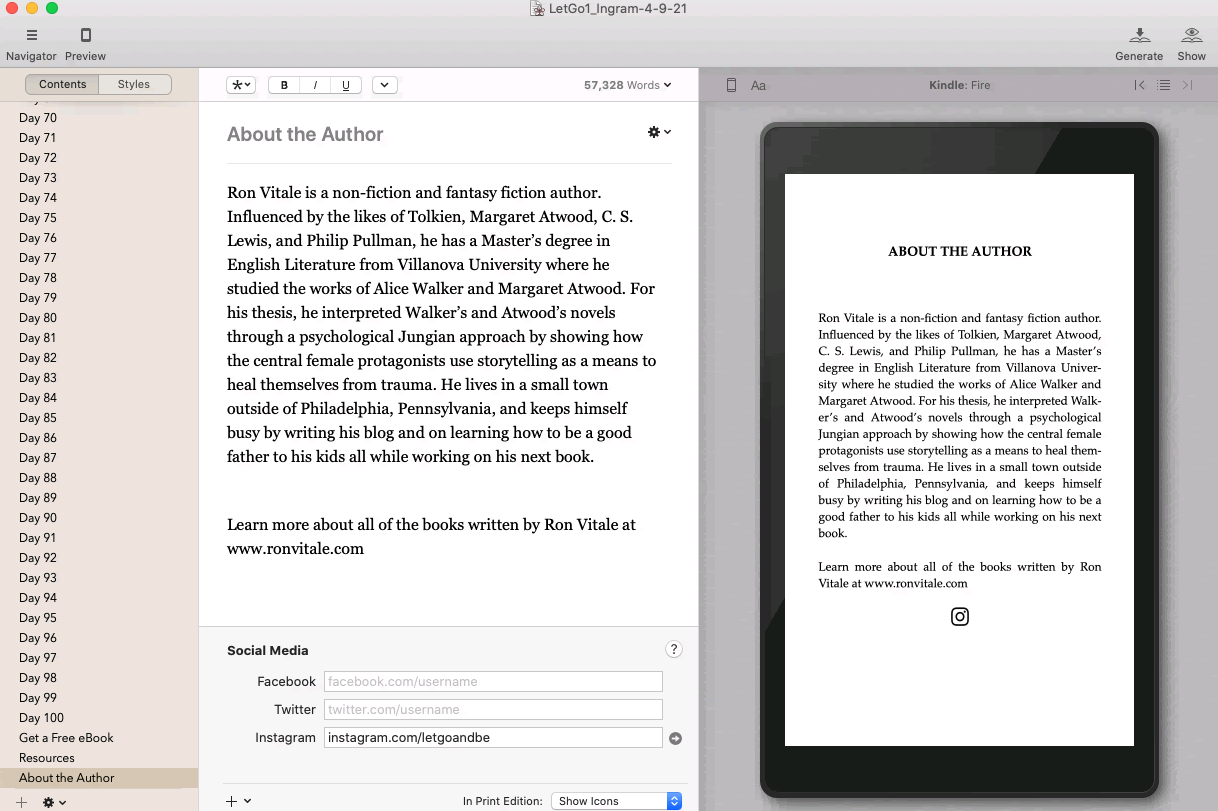
Vellum — Recommended Tool
The formatting tool we use to create beautiful ebooks and print books — no design skills needed.
Try Vellum FreeAffiliate link — we earn a small commission at no cost to you
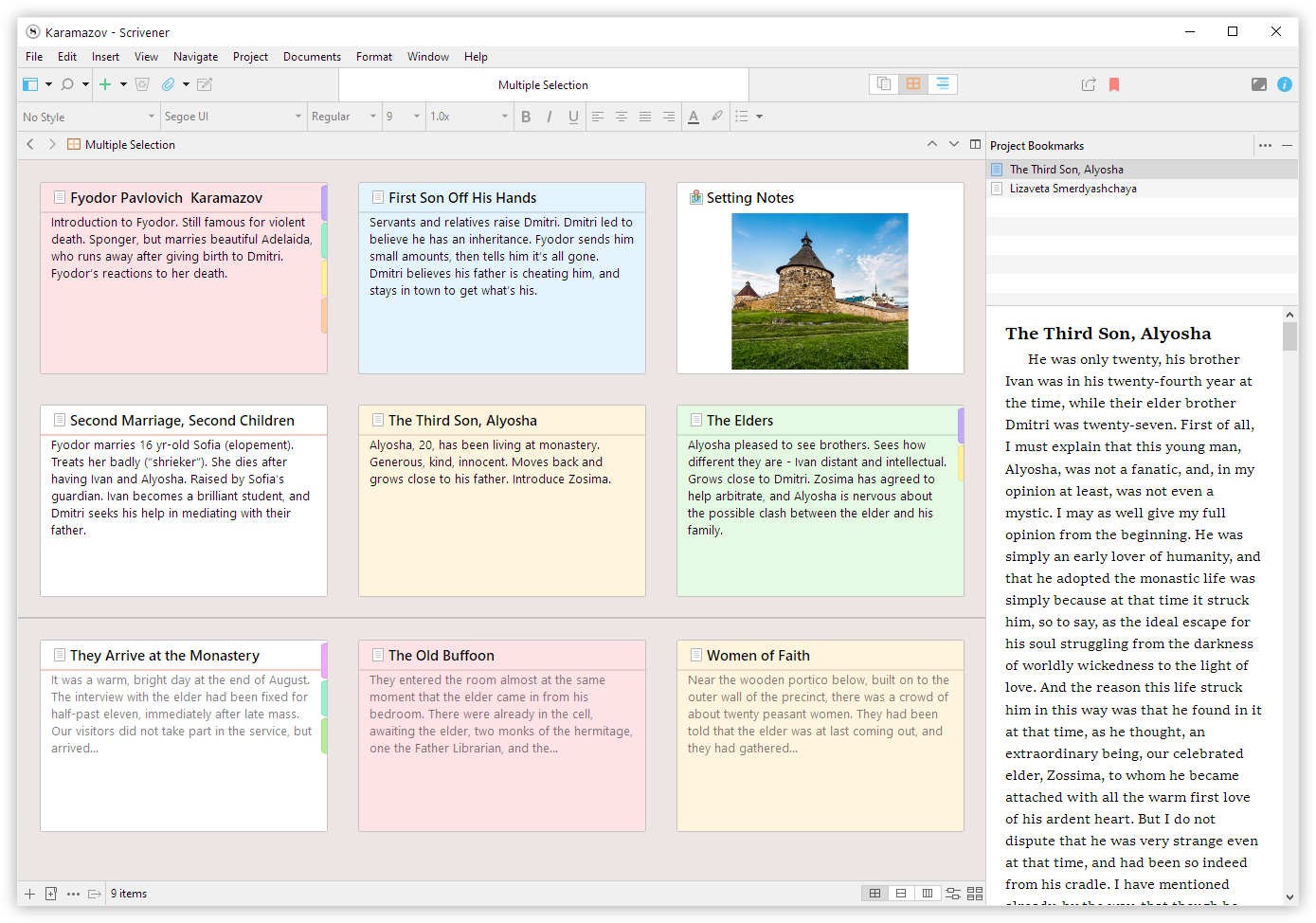
Scrivener — Recommended Tool
The writing app trusted by novelists, screenwriters, and non-fiction authors worldwide.
Get ScrivenerAffiliate link — we earn a small commission at no cost to you
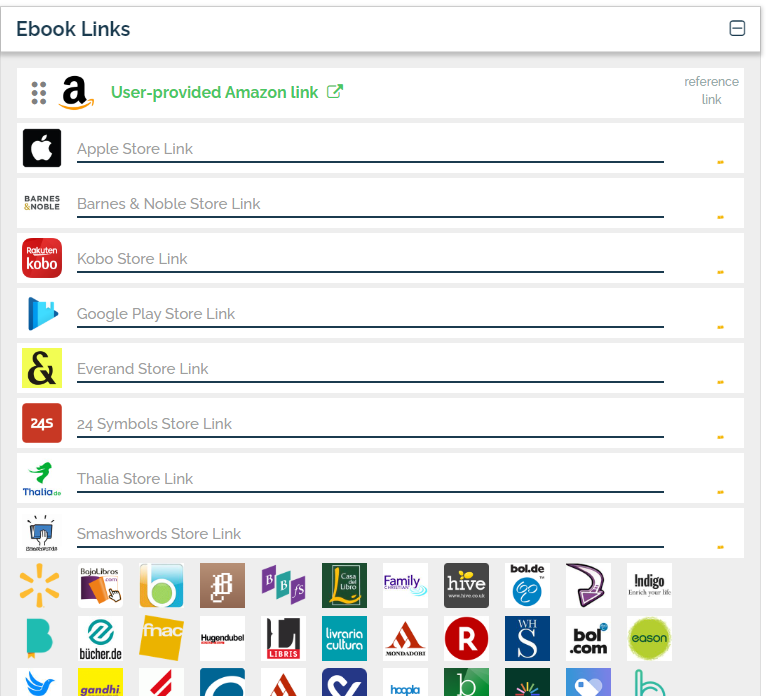
Draft2Digital — Recommended Tool
Distribute your ebook to Amazon, Apple Books, Kobo, and 40+ retailers — completely free.
Start Publishing FreeAffiliate link — we earn a small commission at no cost to you