
7 Self-Publishing Mistakes That Cost Indie Authors Real Money (And How to Fix Them)
Self-publishing mistakes are common pitfalls that can significantly deplete an indie author's financial resources and hinder their book's success. These errors often stem from a lack of understanding of the publishing industry, an eagerness to cut corners, or a failure to invest strategically.

7 Self-Publishing Mistakes That Cost Indie Authors Real Money (And How to Fix Them)
Self-publishing mistakes are common pitfalls that can significantly deplete an indie author's financial resources and hinder their book's success. These errors often stem from a lack of understanding of the publishing industry, an eagerness to cut corners, or a failure to invest strategically. Avoiding these missteps is crucial for maintaining profitability, building a sustainable author career, and ensuring your hard work translates into real income rather than lost opportunities.
Table of Contents
- The Illusion of "Free" Publishing: Underestimating Essential Investments
- Neglecting Professional Editing: The Silent Killer of Readership
- Poor Cover Design and Formatting: First Impressions Are Everything
- Ignoring the Power of Marketing and Promotion: Build It, But They Won't Just Come
- Subpar Book Description and Keywords: The Discovery Dead End
- Failing to Build an Author Platform and Email List: Leaving Money on the Table
- Giving Up Too Soon: The Long Game of Indie Publishing
- Frequently Asked Questions
- Conclusion
Self-publishing has democratized the literary world, offering authors unprecedented control over their work and direct access to readers. However, this freedom comes with significant responsibilities. Many indie authors, fueled by passion and a desire to see their stories in print, dive in without fully understanding the business side of publishing. This often leads to critical errors that don't just slow progress, but actively drain their bank accounts.
At Taciturn Studios, we've seen countless authors make these avoidable self-publishing mistakes. The good news? With awareness and strategic planning, every single one of them can be fixed. This guide will walk you through the seven most common financial blunders indie authors make and provide actionable strategies to ensure your self-publishing journey is profitable and sustainable.
1. The Illusion of "Free" Publishing: Underestimating Essential Investments
One of the biggest misconceptions in self-publishing is that it's entirely free. While platforms like Amazon KDP allow you to upload your manuscript without upfront costs, the journey from raw draft to professionally published book requires strategic financial investment. Skimping on crucial services is a false economy that ultimately costs more in lost sales and damaged reputation.
1.1. The Cost of "DIY Everything"
Many authors, especially those on a tight budget, attempt to do everything themselves: writing, editing, cover design, formatting, and marketing. While admirable, this approach rarely yields professional results unless the author possesses a diverse skill set in all these areas. A poorly edited manuscript, an amateurish cover, or a badly formatted interior screams "self-published" in the worst way, turning potential readers away before they even read the first page. The time spent learning and executing these tasks often outweighs the cost of hiring a professional, and the end product suffers.
1.2. Prioritizing Essential Services Over Non-Essentials
Not all investments are created equal. Authors need to understand where their money will have the most impact. The core elements that must be professional are editing, cover design, and formatting. These directly influence reader perception and purchasing decisions. Less critical, especially for a debut author, might be expensive marketing campaigns right out of the gate or elaborate website design. Focus your budget on the non-negotiables first. Think of it this way: a reader might forgive a small typo, but they won't buy a book with a blurry cover or an unreadable interior.
1.3. Creating a Realistic Publishing Budget
Before you even start writing, develop a realistic budget. Research industry rates for professional editors (developmental, copy, proofreading), cover designers, and formatters. Factor in potential marketing costs, ISBNs (if needed outside KDP's free option), and author website hosting. A typical budget for a professionally produced novel can range from $1,500 to $5,000+, depending on word count, genre, and the level of service. Having this roadmap prevents financial surprises and ensures you allocate funds wisely. Remember, this is an investment in your author career, not just a single book. For a detailed breakdown, check out our guide on self-publishing costs breakdown.
📚 Recommended Resource: Your First 10,000 Readers by Nick Stephenson This book offers practical strategies for building an audience and understanding the business side of authorship, helping you make smart investments in your author platform. [Amazon link: https://www.amazon.com/dp/1733028609?tag=seperts-20]
2. Neglecting Professional Editing: The Silent Killer of Readership
If there's one area where indie authors consistently underestimate the financial impact of cutting corners, it's editing. A manuscript riddled with errors, inconsistencies, and plot holes will not only receive negative reviews but will also actively prevent word-of-mouth recommendations, effectively killing your book's potential.
2.1. The High Cost of Unedited Books
An unedited or poorly edited book is a direct path to low ratings, returns, and a tarnished author reputation. Readers are increasingly sophisticated and expect a polished product, regardless of whether it came from a traditional publisher or an indie author. Negative reviews citing typos, grammatical errors, or confusing plotlines will deter future buyers, leading to lost sales that far outweigh the cost of a good editor. Moreover, a bad experience with one of your books can prevent a reader from ever trying another.
2.2. Understanding Different Types of Editing
Editing isn't a one-size-fits-all service. There are several crucial stages, and understanding them helps you budget and hire effectively:
- Developmental Editing: Focuses on the big picture—plot, character arc, pacing, theme, and overall structure. This is often the most expensive but can transform a good idea into a great story.
- Copy Editing: Addresses sentence-level issues like grammar, spelling, punctuation, syntax, word choice, and consistency. This ensures clarity and readability.
- Proofreading: The final pass, catching any remaining typos or formatting errors before publication.
- Line Editing: A blend of developmental and copy editing, focusing on the flow, rhythm, and impact of each sentence.
Most authors will need at least copy editing and proofreading. Many benefit immensely from developmental editing, especially for their first few books.
2.3. Finding and Vetting Professional Editors
Finding the right editor is crucial. Don't just pick the cheapest option. Look for editors with experience in your genre.
- Get recommendations: Ask other indie authors in your genre.
- Request samples: Most professional editors will offer a free sample edit of a few pages of your manuscript. This helps you assess their style and quality.
- Check credentials: Look for editors who are members of professional organizations (e.g., EFA, ACES) or have relevant experience.
- Review contracts: Ensure the scope of work, deliverables, timeline, and payment terms are clearly outlined.
Case Study: Debut Fantasy Author — Before/After
- Before: A debut fantasy author published their 100,000-word novel after only relying on beta readers and a single pass with a free grammar checker. Within weeks, the book accumulated 1- and 2-star reviews, primarily citing "unreadable prose," "confusing plot," and "too many typos." Sales plummeted after an initial launch bump, and the author spent $500 on ads that yielded no positive ROI.
- After: The author pulled the book, invested $2,000 in a professional developmental editor and a copy editor. They spent three months revising based on feedback. The re-launched book, with the same cover and description, slowly started accumulating 4- and 5-star reviews. Readers praised the "engaging story" and "polished writing." Sales picked up organically, and subsequent ad campaigns were profitable. The initial $500 ad spend was wasted on a product that wasn't ready, costing them more than the editing itself.
3. Poor Cover Design and Formatting: First Impressions Are Everything
In the crowded digital marketplace, your book cover is your most powerful marketing tool. It's the first thing a reader sees, and it communicates genre, tone, and professionalism in an instant. Similarly, poor interior formatting can quickly lead to a reader abandoning your book, even if the story is fantastic.
3.1. The "Don't Judge a Book by Its Cover" Lie
Everyone judges a book by its cover. On platforms like Amazon, a thumbnail-sized image must grab attention, convey genre, and signal quality. A DIY cover that looks amateurish, uses stock photos poorly, or has unreadable typography will be scrolled past without a second thought. This isn't just about aesthetics; it's about market signaling. A professional cover tells readers, "This book is worth your time and money." A bad cover screams, "This book isn't ready for prime time," costing you countless potential sales.
3.2. Investing in Professional Cover Design
Hiring a professional cover designer is not an expense; it's an investment with a high ROI.
- Genre-Specific Designers: Look for designers who specialize in your genre. They understand the tropes, visual cues, and current trends that appeal to your target audience.
- Brief and Communication: Provide a detailed brief including your genre, target audience, synopsis, comparable titles, and any specific visual ideas you have. Be open to their professional advice.
- High-Resolution Files: Ensure you receive high-resolution files suitable for both ebook and print (if applicable).
Checklist: What Makes a Great Book Cover? ✅ Clearly communicates genre ✅ Visually appealing and professional ✅ Readable title and author name at thumbnail size ✅ Evokes emotion or curiosity ✅ Stands out in a crowded marketplace ✅ High-resolution and print-ready
3.3. The Importance of Professional Interior Formatting
Just as crucial as the cover is the interior formatting. A book with inconsistent fonts, awkward line spacing, incorrect margins, or a messy table of contents creates a frustrating reading experience. This can lead to negative reviews, especially for print books where physical quality matters. For ebooks, bad formatting can cause display issues across different devices, making your book unreadable.
- Ebook Formatting: Ensure your ebook is properly formatted for reflowable text, allowing readers to adjust font size and style. Use clean, standard fonts and avoid excessive ornamentation. Tools like Vellum (for Mac) or Atticus (for all platforms) can help create beautiful, professional-looking ebooks and print books. You can compare these tools in our article Vellum vs. Atticus: Which Book Formatter Should You Use?.
- Print Formatting: Pay attention to trim size, margins, gutters, chapter headings, and page numbering. A professional formatter understands print specifications for platforms like KDP Print or IngramSpark.
Comparison Table: DIY vs. Professional Cover & Formatting
| Feature | DIY Approach (Typical) | Professional Service (Typical) |
|---|---|---|
| Cover Quality | Often amateurish, generic stock photos, poor typography, misaligned with genre expectations. | High-quality, genre-appropriate, custom or expertly manipulated images, compelling typography, stands out. |
| Interior Layout | Inconsistent fonts/spacing, awkward chapter breaks, poor margins, device compatibility issues for ebooks. | Clean, consistent, readable fonts, proper margins/gutters, professional chapter starts, optimized for all devices. |
| Time Investment | Significant time spent learning software, finding assets, and trial-and-error. | Minimal author time (briefing, review cycles), efficient execution by expert. |
| Cost | "Free" (but high hidden cost in lost sales and reputation); potential cost of stock photos/software. | $300-$1,000+ for cover; $100-$500+ for formatting (per book). |
| Reader Perception | "Self-published," "amateur," "low quality." | "Professional," "credible," "high quality." |
| Sales Impact | Low conversion rates, negative reviews, limited discoverability. | Higher click-through rates, positive reviews, enhanced discoverability. |
4. Ignoring the Power of Marketing and Promotion: Build It, But They Won't Just Come
Many authors believe that once their book is published, readers will magically discover it. This "if you build it, they will come" mentality is a costly self-publishing mistake. The reality is that the market is saturated, and discoverability is a massive challenge. Ignoring marketing is akin to opening a beautiful store in the middle of a desert and expecting customers.
4.1. The Myth of Organic Discovery
While algorithms on platforms like Amazon can help, they primarily amplify books that are already selling. For a new book, especially from a debut author, organic discovery is minimal. Without active promotion, your book will languish in obscurity, generating few sales and even fewer reviews. This means all the money you invested in editing, cover design, and formatting goes to waste because no one knows your book exists. Effective book marketing strategies are non-negotiable for success.
4.2. Strategic Marketing Investments
Marketing doesn't have to break the bank, but it does require strategic investment of time and/or money.
- Amazon Ads: Highly targeted and effective for driving sales and visibility on KDP. Start small, test different keywords and ad copy, and scale what works.
- Book Promotion Sites: Paid promotions on sites like BookBub, Fussy Librarian, or Ebook Hounds can provide significant boosts, especially for discounted books or series starters.
- Social Media Advertising: Platforms like Facebook and Instagram allow for highly targeted ads based on demographics and interests.
- Author Website/Blog: A central hub for your author brand. Even a simple website with your book covers, bio, and contact info is better than nothing.
- Cross-Promotion: Collaborate with other authors in your genre.
Remember, the goal is to get your book in front of the right readers. For more in-depth strategies, explore our guide on book marketing strategies for self-published authors.
4.3. Measuring ROI and Adapting Your Strategy
Marketing is an ongoing process of testing, measuring, and adapting. Don't just throw money at ads and hope for the best.
- Track your spend: Keep a detailed record of all marketing expenses.
- Monitor sales and KENP reads: See which campaigns are driving results.
- Analyze review velocity: Are your promotions leading to more reviews?
- Adjust bids and targeting: Optimize your ad campaigns based on performance data.
- Learn from failures: Not every campaign will be a success. Understand why something didn't work and apply those lessons to future efforts.
📚 Recommended Resource: Platform: Get Noticed in a Noisy World by Michael Hyatt This book provides a comprehensive guide to building an author platform, which is essential for effective long-term marketing and connecting with your audience. [Amazon link: https://www.amazon.com/dp/1595553193?tag=seperts-20]
5. Subpar Book Description and Keywords: The Discovery Dead End
Even with a stunning cover and professional editing, your book won't sell if readers can't find it or aren't compelled to click. Your book description (blurb) and keywords are critical components of discoverability and conversion, yet many authors treat them as afterthoughts.
5.1. The Blurb That Doesn't Sell
Your book description is your sales pitch. It needs to hook the reader, convey the genre, introduce the stakes, and leave them wanting more—all within a few compelling paragraphs. A weak, confusing, or poorly written blurb will cause potential readers to scroll past, even if your cover caught their eye. This is a direct financial loss because you've done all the hard work to get them to the product page, only to lose them at the last hurdle. Many authors write a synopsis instead of a blurb, giving away too much plot or focusing on minor details rather than the core conflict. For guidance, read our article on how to write a book description that sells.
5.2. Keyword and Category Mismanagement
Keywords and categories are how readers find your book on retail platforms.
- Keywords: These are the search terms readers type into the search bar. Using vague, irrelevant, or overly broad keywords means your book won't appear in relevant searches. Conversely, using highly specific, low-volume keywords might mean no one is searching for them. Research is key. Use tools like Publisher Rocket or Helium 10 to find effective keywords.
- Categories: Placing your book in the wrong categories means it won't be seen by its target audience. For example, putting a cozy mystery in "Horror" will lead to frustrated readers and negative reviews. Amazon KDP allows you to select two categories directly, but you can contact KDP support to add up to eight additional browse categories, significantly increasing discoverability.
5.3. Optimizing for Search and Conversion
Treat your book description and keywords as dynamic marketing tools that need regular optimization.
- A/B Test Blurbs: If possible, test different versions of your blurb to see which converts better.
- Monitor Keyword Performance: Use KDP reports to see which keywords are driving impressions and clicks. Remove underperforming keywords and test new ones.
- Analyze Competitors: Look at the blurbs, keywords, and categories of successful books in your genre. What are they doing right?
- Front-Load the Blurb: Ensure the most compelling hook is in the first few lines, as this is what readers see before clicking "read more."
- Use HTML: For KDP descriptions, use basic HTML (bolding, italics, bullet points) to make your blurb more scannable and visually appealing.
6. Failing to Build an Author Platform and Email List: Leaving Money on the Table
Many indie authors focus solely on selling their current book, neglecting the long-term strategy of building an author platform and, most importantly, an email list. This is a critical self-publishing mistake that leaves significant money on the table and makes each subsequent book launch harder.
6.1. The Short-Term vs. Long-Term Mindset
Focusing only on immediate sales is a short-term mindset. While important, it doesn't build a sustainable career. An author platform—your website, social media presence, and email list—is your direct connection to readers, independent of any retail platform. Amazon, Apple, Kobo, etc., control access to their customers. Your email list, however, is yours. It's your most valuable asset. Not building it means you're constantly starting from scratch with each new release, paying for ads to reach new readers every time, rather than leveraging an engaged audience you already own. Learn more about how to build an author platform.
6.2. The Power of an Email List
An email list is the most effective marketing tool an author can possess.
- Direct Communication: You can directly inform your most engaged readers about new releases, sales, and promotions.
- Higher Conversion Rates: Email subscribers are typically your superfans, making them far more likely to purchase your next book than a random ad clicker.
- Algorithm Independence: Your emails aren't subject to the whims of social media algorithms or ad platform policies.
- Launch Power: A large, engaged email list can create a significant sales spike on launch day, boosting your book's ranking and triggering retailer algorithms for greater organic visibility.
Step 1 of 4: Set Up Your Author Website Even a simple website (e.g., WordPress with a professional theme) is crucial. It serves as your home base, where readers can learn about you, your books, and sign up for your newsletter. Include a clear call to action for your email list.
Step 2 of 4: Choose an Email Service Provider (ESP) Don't use your personal email for newsletters. Invest in a dedicated ESP like ConvertKit, MailerLite, or ActiveCampaign. These services handle subscriptions, deliverability, automation, and analytics. Many offer free tiers for small lists.
Step 3 of 4: Offer an Irresistible Lead Magnet Give readers a compelling reason to sign up for your list. This could be a free short story, a prequel novella, bonus content related to your books, or a deleted scene. Make it high quality and relevant to your genre.
Step 4 of 4: Promote Your List Everywhere Include sign-up links on your website, in the back matter of your books, on your social media profiles, and in your email signature. Make it easy for readers to join.
6.3. Nurturing Your Audience
Building an email list isn't just about collecting addresses; it's about building a relationship.
- Regular Communication: Send out newsletters consistently (e.g., monthly, bi-weekly) with valuable content, not just sales pitches. Share updates on your writing, behind-the-scenes glimpses, recommendations, and engage your readers.
- Segment Your List: As your list grows, consider segmenting readers by genre interest or engagement level to send more targeted messages.
- Engage and Respond: Encourage replies and interact with your subscribers. This builds loyalty and community.
For more on this, check out Newsletter Ninja by Tammi Labrecque, a highly recommended resource for authors.
7. Giving Up Too Soon: The Long Game of Indie Publishing
Perhaps the most insidious and financially damaging self-publishing mistake is giving up prematurely. Many authors expect overnight success or get discouraged by initial low sales, leading them to abandon their efforts before their career has a chance to blossom.
7.1. The Marathon, Not a Sprint
Self-publishing is a marathon, not a sprint. Success rarely happens with a single book or in a few months. It's built on a catalog of books, consistent effort, continuous learning, and adapting to market changes. Authors who quit after one or two books, or after a few months of low sales, effectively throw away all their previous investments—time, money, and effort—without ever seeing the potential returns.
7.2. The Power of a Backlist
A strong backlist is the engine of a sustainable author career. Each new book you release can boost sales of your previous titles, creating a compounding effect. Readers who discover and love your latest release will often go back and buy your entire catalog. Without a growing backlist, you're constantly trying to push a single product, which is far less efficient.
- Series are Gold: Readers love series. A well-written series encourages binge-reading, where one sale can turn into multiple sales across several books.
- Consistent Releases: Aim for a consistent release schedule (e.g., 1-3 books per year) to keep your audience engaged and maintain momentum.
7.3. Continuous Learning and Adaptation
The indie publishing landscape is constantly evolving. Algorithms change, marketing strategies shift, and reader preferences adapt. Authors who succeed are those who commit to continuous learning and are willing to adapt their strategies.
- Stay Informed: Follow industry blogs, podcasts, and forums. Attend virtual conferences.
- Analyze Data: Pay attention to your sales data, ad performance, and review trends. What is working? What isn't?
- Experiment: Don't be afraid to try new marketing tactics, experiment with different genres (within reason), or revise your approach.
- Seek Feedback: Continuously solicit feedback from beta readers, critique partners, and your editor.
Checklist: Are You Playing the Long Game? ✅ Do you have a plan for your next 3-5 books? ✅ Are you actively building your email list? ✅ Are you tracking your sales and marketing data? ✅ Are you investing in continuous learning about publishing and marketing? ✅ Are you prepared for setbacks and willing to adapt?
The authors who make real money in self-publishing are those who treat it as a business, invest wisely, learn from their mistakes, and persevere. Don't let these common self-publishing mistakes derail your author dreams.
Frequently Asked Questions
Q: What's the single most important investment an indie author should make? A: While all professional services are important, professional editing (especially copy editing and proofreading) is arguably the most critical. A polished manuscript prevents negative reviews and builds reader trust, which is foundational for long-term success.
Q: Can I really self-publish for free? A: You can upload a manuscript to KDP for free, but achieving professional quality and reaching readers effectively requires investment. "Free" often means sacrificing quality, discoverability, and ultimately, sales. Think of it as "free to upload," not "free to succeed."
Q: How much should I budget for a professional book cover? A: A good professional ebook cover can range from $300-$700, with print covers often costing a bit more due to additional design elements (spine, back). High-end custom covers can go upwards of $1,000+. It's an investment that pays for itself in increased clicks and perceived value.
Q: Is an email list still relevant in the age of social media? A: Absolutely. An email list is often considered an author's most valuable asset. Unlike social media, where algorithms control who sees your content, your email list provides a direct, unfiltered line of communication to your most engaged readers.
Q: How quickly should I expect to see sales after publishing? A: This varies greatly. Some authors see immediate sales, while others build momentum slowly over months or even years. Expecting overnight success is a common mistake. Focus on consistent effort, building your backlist, and nurturing your audience for long-term growth.
Q: Should I use KDP Select or wide distribution for my book? A: The choice between KDP Select (exclusive to Amazon for 90 days) and wide distribution (available on all platforms) depends on your strategy. KDP Select offers Kindle Unlimited reads and promotional tools, while wide distribution reaches more diverse readers. Many authors start with KDP Select and then go wide with subsequent books. For more, see our guide Amazon KDP Select vs. Wide Distribution.
Q: What's the best way to get honest feedback on my manuscript before publishing? A: Beta readers and critique partners are invaluable. Beta readers provide general reader impressions, while critique partners offer more in-depth feedback on craft. Join writing communities or online forums to connect with others. Always get multiple perspectives.
Q: I'm on a very tight budget. What's the absolute minimum I should invest in? A: If forced to choose, prioritize professional copy editing/proofreading and a professional, genre-appropriate cover design. These two elements have the most direct impact on reader perception and sales conversion. You can learn formatting basics yourself or use affordable tools, and start with low-cost marketing like Amazon Ads with a small budget.
Conclusion
Navigating the self-publishing landscape can feel like walking a tightrope, especially when your hard-earned money is on the line. The seven self-publishing mistakes outlined above—from underestimating essential investments to giving up too soon—are common traps that can cost indie authors significant financial resources and derail their dreams. However, with awareness, strategic planning, and a commitment to treating your author career as a business, these pitfalls are entirely avoidable.
By investing wisely in professional editing, compelling cover design, and effective marketing, you transform your book from a passion project into a viable product. By optimizing your book descriptions and keywords, you ensure readers can find your work. And by diligently building your author platform and email list, you cultivate a loyal readership that will sustain your career for years to come. Remember, self-publishing is a journey of continuous learning and adaptation. Embrace the long game, learn from every experience, and keep writing. Your words have value, and with the right strategy, they can generate real income.
Ready to find your next great read or publishing resource? Browse the Taciturn Studios library for ebooks, puzzle books, and activity books.
This article contains Amazon affiliate links. If you purchase through them, Taciturn Studios earns a small commission at no extra cost to you.
Tools & Resources We Recommend
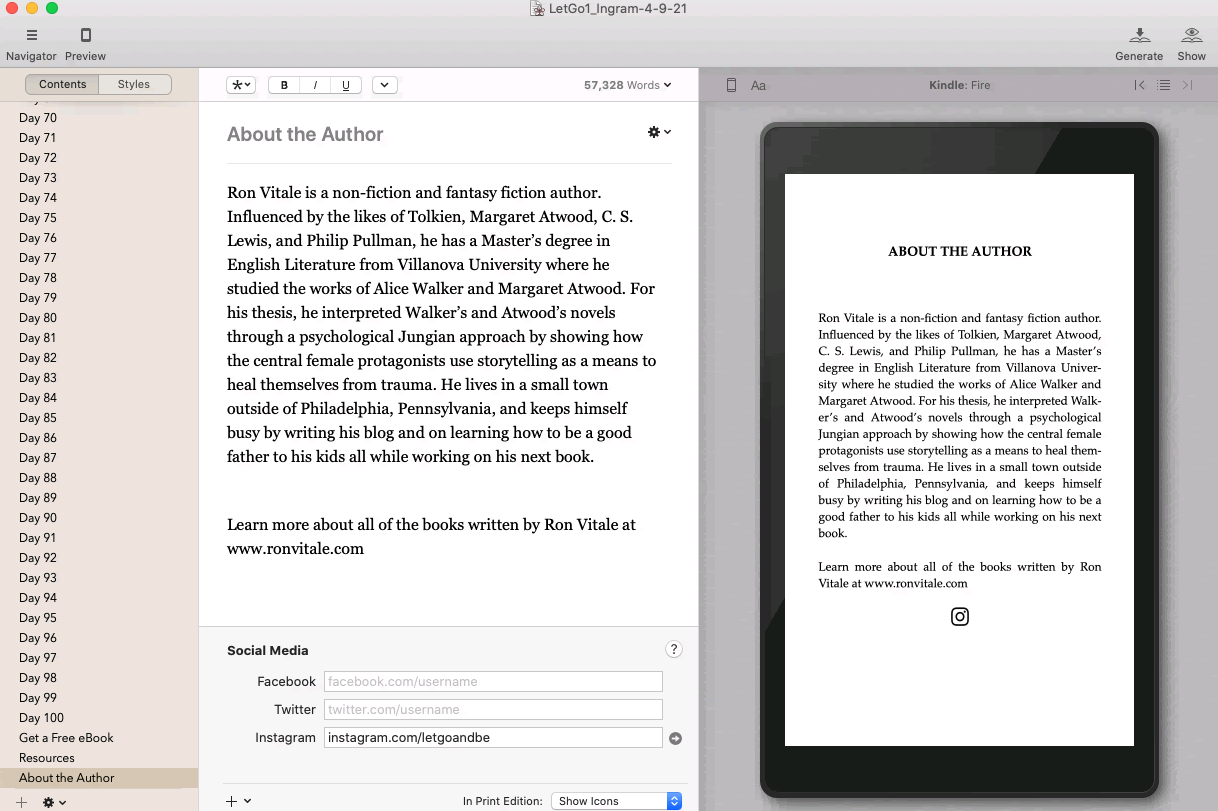
Vellum — Recommended Tool
The formatting tool we use to create beautiful ebooks and print books — no design skills needed.
Try Vellum FreeAffiliate link — we earn a small commission at no cost to you
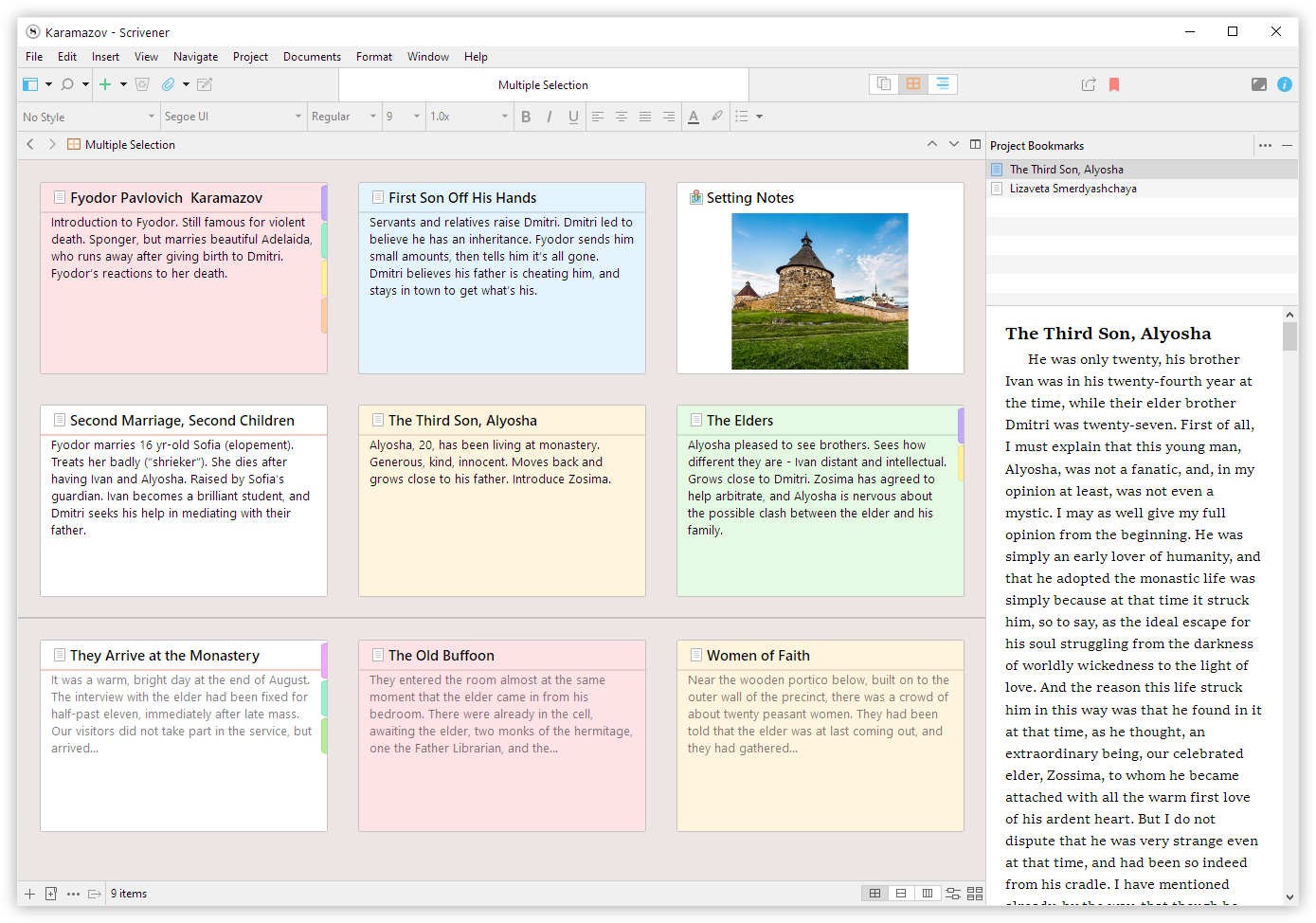
Scrivener — Recommended Tool
The writing app trusted by novelists, screenwriters, and non-fiction authors worldwide.
Get ScrivenerAffiliate link — we earn a small commission at no cost to you
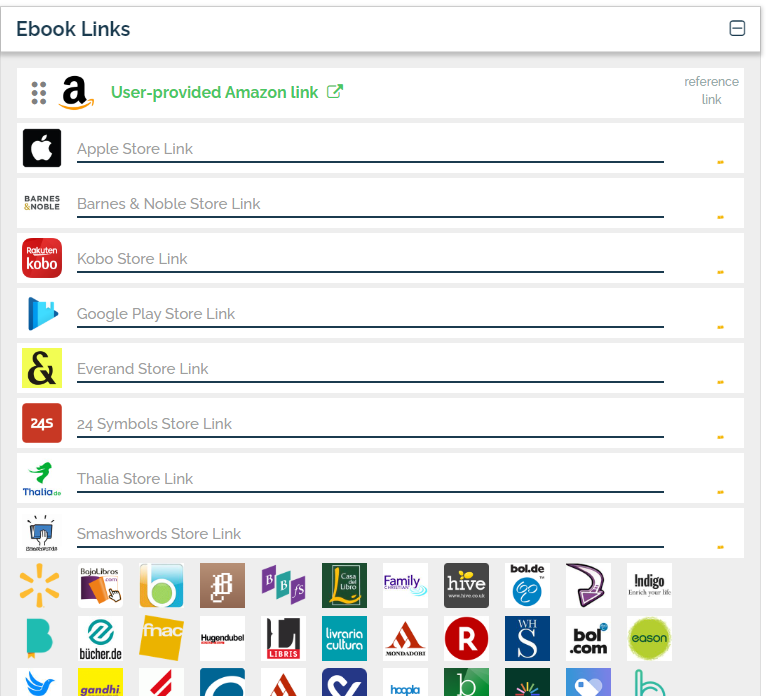
Draft2Digital — Recommended Tool
Distribute your ebook to Amazon, Apple Books, Kobo, and 40+ retailers — completely free.
Start Publishing FreeAffiliate link — we earn a small commission at no cost to you