
8 Proven Ways to Increase Your KDP Royalties in 2024 Without Writing More Books
KDP royalties are the earnings authors receive from sales of their books published through Amazon Kindle Direct Publishing. Increasing these royalties without constantly releasing new titles is crucial for building a sustainable self-publishing career, allowing authors to maximize income from their existing catalog and achieve greater financial stability.

8 Proven Ways to Increase Your KDP Royalties in 2024 Without Writing More Books
KDP royalties are the earnings authors receive from sales of their books published through Amazon Kindle Direct Publishing. Increasing these royalties without constantly releasing new titles is crucial for building a sustainable self-publishing career, allowing authors to maximize income from their existing catalog and achieve greater financial stability.
Table of Contents
- Optimize Your Book Listings for Discoverability
- Master Your Pricing Strategy
- Leverage Amazon Ads Effectively
- Build and Nurture Your Author Platform
- Expand Beyond KDP Select
- Refresh and Revitalize Your Backlist
- Create Value-Added Products and Bundles
- Analyze Data and Adapt Your Strategy
- Frequently Asked Questions
- Conclusion
1. Optimize Your Book Listings for Discoverability
One of the most impactful ways to boost your KDP royalties without writing a single new word is to ensure your existing books are easily found by potential readers. This isn't just about throwing keywords into a field; it's about strategically crafting every element of your book's Amazon product page to attract, engage, and convert browsers into buyers. Think of your book listing as your primary salesperson—it needs to be polished, persuasive, and perfectly positioned.
1.1. Keyword Research and Implementation
Effective keyword research is the bedrock of discoverability. Many authors make the mistake of using only broad, highly competitive keywords or, conversely, keywords that are too niche and have no search volume. The sweet spot lies in finding relevant, medium-competition keywords that readers are actively searching for. Tools like Publisher Rocket, KDP Rocket, or even Amazon's own search bar suggestions can be invaluable here. Start by brainstorming terms related to your genre, subgenre, themes, and character archetypes. Look at what successful authors in your niche are using. Once you have a strong list, strategically place these keywords in your book title (if appropriate), subtitle, and the seven KDP keyword fields. Remember, KDP allows for phrases, not just single words, so use them to your advantage (e.g., "epic fantasy adventure" instead of just "fantasy"). Don't keyword stuff; aim for natural integration that still makes sense to a human reader.
1.2. Crafting a Compelling Book Description
Your book description is your sales copy. It's the pitch that convinces a reader to click "Look Inside" and, ultimately, "Buy now." A weak, poorly formatted, or uninspired description can kill sales, even for a fantastic book. Start with a hook that grabs attention immediately. Introduce your protagonist, the central conflict, and the stakes. Use evocative language that aligns with your genre. Break up long paragraphs with line breaks, bullet points, and bold text to improve readability. Highlight key selling points, awards, or reviews. Think about the emotional journey your book offers. Are readers looking for escapism, inspiration, suspense, or romance? Tailor your description to speak directly to those desires. Many authors benefit from studying successful book descriptions in their genre and using a proven copywriting formula like AIDA (Attention, Interest, Desire, Action).
1.3. Optimizing Categories and Subcategories
Amazon's category system is how readers browse for new books. Choosing the right categories is crucial for discoverability, as it places your book alongside similar titles and helps it rank for category-specific searches. KDP allows you to select two browse categories directly, but you can actually target up to ten categories by contacting KDP support with specific BISAC codes or Amazon browse paths. Research your genre's most popular and relevant categories. Look for niche categories where your book might stand out more and face less competition, while still having sufficient reader traffic. For instance, instead of just "Fantasy," consider "Fantasy > Epic > Sword & Sorcery" or "Fantasy > Urban Fantasy > Paranormal Romance." The goal is to get your book into categories where it has a strong chance of ranking high, leading to more organic visibility and sales.
2. Master Your Pricing Strategy
Pricing is a powerful lever for influencing KDP royalties. It's not just about setting a price and forgetting it; it's about dynamic pricing, understanding reader psychology, and leveraging promotional opportunities. The right price can significantly impact your sales volume and, consequently, your overall income.
2.1. Dynamic Pricing and Promotions
The "set it and forget it" approach to pricing is a missed opportunity. Dynamic pricing involves adjusting your book's price based on factors like sales performance, market trends, and promotional events. For Kindle eBooks, Amazon offers the 70% royalty option for books priced between $2.99 and $9.99, and 35% for books outside that range. Understanding this threshold is key. Consider running Kindle Countdown Deals or Free Book Promotions (if enrolled in KDP Select) to boost visibility and attract new readers. A common strategy is to price a new release at an introductory lower price (e.g., $2.99) for a limited time to generate initial sales and reviews, then raise it to its standard price (e.g., $4.99 or $5.99). Similarly, using free promotions for the first book in a series can act as a powerful loss leader, driving readers to purchase subsequent, higher-priced books. Always monitor the impact of price changes on your sales data.
2.2. Utilizing KDP Select for Free Promotions & Countdown Deals
KDP Select is Amazon's exclusive program for Kindle eBooks, requiring authors to make their digital book available only through Amazon for 90-day enrollment periods. In return, authors gain access to powerful promotional tools: Kindle Unlimited (KU) and Kindle Countdown Deals/Free Book Promotions. KU pays authors based on pages read, which can be a significant income stream for longer books or authors with a dedicated readership. Free Book Promotions allow you to offer your book for free for up to 5 days per 90-day period. This can create a massive surge in downloads, boosting your book's ranking and visibility, and potentially leading to a "tail" of paid sales once the promotion ends. Kindle Countdown Deals allow you to offer your book at a discounted price for a limited time, with a visible countdown timer on the product page, creating urgency. These tools, when used strategically, can significantly increase your book's exposure and subsequent paid sales, driving up your KDP royalties. For a deeper dive into the pros and cons, check out our guide on Amazon KDP Select vs. Wide Distribution.
2.3. Strategic Pricing for Series and Box Sets
If you write in a series, your pricing strategy becomes even more nuanced and powerful. The first book in a series is often the gateway drug. Many successful authors offer the first book for free or at a permanently low price ($0.99-$2.99) to entice readers into the series. The goal here isn't to make money on the first book, but to acquire readers who will then purchase the subsequent, higher-priced books. Box sets (omnibus editions) are another fantastic way to increase average transaction value. Grouping 3-5 books into a single digital or print volume and pricing it slightly less than the sum of its individual parts offers a compelling value proposition to readers. This encourages them to buy multiple books at once, boosting your KDP royalties per transaction. Make sure your box set covers and descriptions clearly indicate the value and the books included.
3. Leverage Amazon Ads Effectively
Amazon Ads are a direct way to put your books in front of active buyers. While it requires an investment, when done correctly, it can yield a significant return on investment (ROI) and dramatically increase your KDP royalties. It's about targeted visibility, not just throwing money at the problem.
3.1. Understanding Amazon Ads (Sponsored Products, Lockscreen, etc.)
Amazon offers several ad types for authors. Sponsored Products are the most common, allowing your book to appear in search results and on product pages of similar books. You bid on keywords or target specific ASINs (other books). Sponsored Brands (formerly Headline Search Ads) are for authors with multiple books and appear at the top of search results, showcasing up to three books. Lockscreen Ads (often called "Product Display Ads" or "Sponsored Display") appear on Kindle e-readers and Fire tablets, targeting readers based on their reading habits. Each ad type has its strengths. Sponsored Products are excellent for direct sales, while Lockscreen Ads can be great for building awareness and reaching a broad, relevant audience. Understanding the nuances of each, and how to set up campaigns with appropriate bids and budgets, is crucial for success.
3.2. Keyword and ASIN Targeting Strategies
The effectiveness of your Amazon Ads hinges on your targeting. For keyword targeting, go back to your keyword research. Bid on keywords that are highly relevant to your book and have a good search volume. Test both broad and specific keywords. Monitor your "Search Term Report" to find new, high-performing keywords and negative keywords (terms you don't want your ad to show for). For ASIN targeting, identify competitor books that are similar to yours and have a strong readership. Place your ads directly on their product pages. This puts your book in front of readers who have already demonstrated an interest in your genre. You can also target categories. Experiment with both automatic and manual targeting campaigns. Automatic campaigns help you discover new keywords and ASINs, which you can then move into more controlled manual campaigns.
3.3. Optimizing Ad Spend and Monitoring ROI
Running Amazon Ads isn't a "set it and forget it" task. It requires continuous monitoring and optimization. Track your ACoS (Advertising Cost of Sales), which tells you how much you're spending to make a sale. A lower ACoS is generally better, but your target ACoS will depend on your royalty rate and overall strategy. For instance, you might accept a higher ACoS for the first book in a series if it leads to significant backlist sales. Regularly review your campaign performance: ✅ Which keywords are performing best? Increase bids. ✅ Which keywords are wasting money? Pause or lower bids. ✅ Which ASIN targets are converting? Double down. ✅ Are your ad creatives (book cover, description snippet) compelling? Don't be afraid to pause underperforming campaigns and start new ones. Test different ad copy, bids, and targeting methods. The goal is to maximize your ad spend to generate the most sales and KDP royalties possible.
📚 Recommended Resource: "Strangers to Superfans" by David Gaughran Learn how to convert casual readers into loyal fans and build effective reader funnels, a critical skill for maximizing your book's long-term sales and KDP royalties. [Amazon link: https://www.amazon.com/dp/1948080079?tag=seperts-20]
4. Build and Nurture Your Author Platform
Your author platform is your direct connection to readers, independent of Amazon. It's your website, social media presence, and most importantly, your email list. A strong platform allows you to market directly to your audience, announce new releases, run promotions, and drive traffic to your KDP listings, all without paying Amazon for ads. This is arguably the most powerful long-term strategy for increasing KDP royalties. For more foundational advice, see our guide on how to build an author platform.
4.1. The Power of an Author Email List
An email list is your most valuable asset as an indie author. Unlike social media, where algorithms control who sees your content, an email list gives you direct access to your most engaged readers. These are people who have explicitly opted in to hear from you. Use your books (e.g., a "Reader Magnet" like a free short story or novella at the back of your book) and your website to encourage sign-ups. Platforms like ConvertKit, MailerLite, or Mailchimp offer robust tools for managing your list. Once you have subscribers, nurture them with valuable content: behind-the-scenes glimpses, character spotlights, deleted scenes, cover reveals, and early access to news. When you have a new release or a promotion, your email list will be your most effective sales channel, driving immediate traffic and sales to your KDP product pages, which in turn boosts your KDP royalties and Amazon rankings.
4.2. Engaging on Social Media Strategically
Social media can be a powerful tool for connecting with readers and building your brand, but it's essential to use it strategically. Don't try to be everywhere; focus on 1-2 platforms where your target audience spends the most time. For authors, Instagram (especially for visual genres), TikTok (for younger audiences and short-form video), and Facebook (for groups and community building) are often popular choices. Share engaging content related to your books, genre, and writing life. Interact with other authors and readers. Participate in relevant discussions. The goal isn't just to sell, but to build a community around your work. When you do have a promotion or new release, social media can amplify your message, driving traffic to your Amazon listings. Remember to always include a call to action and a link to your books or email sign-up.
4.3. Building an Author Website/Blog
Your author website is your professional home online. It's the central hub where readers can learn about you, your books, and your world. It should include:
- A clear, professional design.
- An "About Me" page that tells your story.
- Dedicated pages for each of your books, with links directly to their KDP listings.
- An email sign-up form prominently displayed.
- A blog where you can share updates, insights, and content related to your genre. A blog can be particularly powerful for SEO, helping readers discover you through organic search. By writing articles related to your book's themes or genre, you can attract new readers who might then explore your books. For example, a fantasy author might blog about "world-building tips" or "favorite fantasy tropes." This builds authority and provides valuable content that can be shared across your social media channels.
5. Expand Beyond KDP Select
While KDP Select offers some powerful promotional tools, exclusivity to Amazon means you're leaving a significant portion of the global market untapped. Going "wide" can open up new revenue streams and increase your overall self-publishing income.
5.1. Distributing to Other Retailers (Apple Books, Nook, Kobo, Google Play)
By distributing your eBooks to other major retailers like Apple Books, Barnes & Noble (Nook), Kobo, and Google Play Books, you reach readers who prefer those platforms or who don't own Kindle devices. Many authors use aggregators like Draft2Digital or Smashwords to simplify this process, as they distribute to multiple stores from a single upload. While individual sales on these platforms might be lower than on Amazon, collectively they can add up to a substantial increase in your KDP royalties (or rather, your total royalties). Furthermore, diversifying your income streams makes your publishing business more resilient to changes on any single platform. Each platform has its own unique readership and promotional opportunities, allowing you to tap into new markets.
5.2. Leveraging Print-on-Demand (POD) for Paperbacks and Hardcovers
Don't underestimate the power of print books. Many readers still prefer physical copies, and offering them can significantly increase your overall KDP royalties. Amazon KDP offers integrated print-on-demand services for paperbacks and hardcovers, making it incredibly easy to publish print versions alongside your eBooks. Beyond KDP Print, consider using IngramSpark for wider distribution to bookstores and libraries. While there's a small setup fee, IngramSpark offers more robust distribution channels. Ensure your print book formatting is professional (consider tools like Vellum or Atticus for this, or hiring a professional formatter) and your cover is optimized for print. A well-produced print book can attract new readers, especially those who browse physical stores or libraries, and can also be a great upsell for existing fans. For more on this, check out our print-on-demand publishing guide.
5.3. Exploring Audiobook Production
Audiobooks are the fastest-growing segment of the publishing industry. Many readers consume audiobooks during commutes, workouts, or chores, and they are often willing to pay a premium for them. Producing an audiobook can unlock a completely new revenue stream and significantly boost your overall royalties. You have several options:
- ACX (Audiobook Creation Exchange): Amazon's platform for connecting authors with narrators and distributing to Audible, Amazon, and iTunes. You can choose royalty share, per-finished-hour, or a hybrid model.
- Findaway Voices: An aggregator that distributes your audiobook to over 40 retailers, including Audible, Apple Books, Google Play, Kobo, and libraries.
- Self-Production: If you have the equipment and skills, you can narrate and produce your own audiobook. While the upfront cost can be significant (especially for per-finished-hour narration), the long-term passive income potential from audiobooks is immense. They allow you to reach a new audience segment and provide another way for readers to engage with your stories.
📚 Recommended Resource: "Newsletter Ninja" by Tammi Labrecque Master the art of building and engaging an email list, your most powerful asset for driving direct sales and increasing your KDP royalties. [Amazon link: https://www.amazon.com/dp/1734314001?tag=seperts-20]
6. Refresh and Revitalize Your Backlist
Your backlist—your older books—is an often-underestimated goldmine. Instead of constantly chasing the next new release, investing time in revitalizing your existing catalog can yield significant returns and boost your KDP royalties without writing a single new word.
6.1. Updating Covers and Book Descriptions
Covers are the single most important marketing tool for your book. If your older book covers look dated, amateurish, or don't align with current genre trends, they are likely hurting your sales. Invest in professional cover design for your backlist titles. A fresh, modern cover can dramatically increase click-through rates and perceived value. Similarly, revisit your book descriptions. Are they still compelling? Do they use effective keywords? Have genre tropes or reader expectations changed since you first wrote them? A well-written, optimized description can re-engage potential readers. These two elements are relatively low-cost investments that can have a huge impact on your backlist sales, effectively giving your old books a new lease on life. For tips, see our guide on best book cover design tips for authors.
6.2. Editing and Formatting Refreshes
As authors, we grow and improve our craft. An older book might benefit from a fresh round of editing, especially if it received early reviews mentioning typos or grammatical errors. Hiring a professional editor to polish your backlist can improve reader experience, lead to better reviews, and encourage readers to explore your other titles. Similarly, ensure your formatting is impeccable. A poorly formatted eBook or print book (e.g., inconsistent headings, strange line breaks, bad margins) can be jarring for readers. Tools like Vellum or Atticus make professional formatting accessible, or you can hire a formatter. A clean, professional presentation enhances the reading experience and reflects positively on your brand, encouraging repeat purchases and higher KDP royalties.
6.3. Creating New Entry Points (Prequels, Short Stories)
Sometimes, to sell more of your backlist, you need to create something new, but not necessarily a full novel. Consider writing a short prequel story, a novella featuring a beloved side character, or a collection of deleted scenes. These shorter works can serve as new entry points into your existing series or world. Offer them as reader magnets for your email list, or price them at $0.99-$1.99 on KDP. The goal is to hook new readers with a low-commitment entry point, then direct them to your full-length backlist novels. This strategy leverages a small amount of new content to drive sales for your existing catalog, effectively increasing your KDP royalties without the immense effort of writing a full new book.
7. Create Value-Added Products and Bundles
Beyond just your core books, there are numerous ways to package and present your content to increase its perceived value and drive higher average transaction values. This involves thinking creatively about your intellectual property and how it can be repurposed or expanded.
7.1. Repurposing Content into Non-Fiction or Activity Books
If you write fiction, consider what non-fiction elements exist within your world or research. Did you create a complex magic system? Write a "Guide to Magic in [Your World]." Did you research historical periods extensively? Create a "Historical Guide to [Era]" for your readers. For children's authors, or even adult fiction authors, consider creating activity books, journals, or puzzle books related to your stories or themes. Taciturn Studios specializes in puzzle and activity books, demonstrating the market for these types of products. These can be published through KDP Print and offer a new revenue stream, appealing to a different segment of your audience or providing gift options. They leverage your existing creative assets in a new format, boosting your overall self-publishing income.
7.2. Bundling Books into Box Sets or Collections
As mentioned earlier, box sets are powerful. But don't just think about bundling books 1-3. Consider thematic collections (e.g., "The Complete [Genre] Collection," "Holiday Romances by [Author]"). You can also create "mega-bundles" of an entire series. These offer readers a significant discount compared to buying books individually, but they also represent a much larger sale for you. A reader might hesitate to buy three individual books at $4.99 each, but be thrilled to get all three in a box set for $9.99. This increases your average order value and, consequently, your KDP royalties. Ensure your box set cover clearly communicates the value and the books included.
7.3. Offering Exclusive Content or Merchandise
For your most dedicated fans, consider offering exclusive content or merchandise. This could include:
- Signed copies of your print books: Sell these directly from your website.
- Limited edition hardcovers: Use services like Lulu or IngramSpark for small runs.
- Merchandise: T-shirts, mugs, bookmarks, art prints featuring characters or quotes from your books. Platforms like Printful or Redbubble can handle print-on-demand merchandise.
- Patreon or Substack: Offer exclusive short stories, early chapters, or behind-the-scenes content to subscribers for a monthly fee. While not directly KDP royalties, these complementary products and services deepen fan engagement, build loyalty, and provide additional income streams that support your author business. They also encourage fans to continue buying your KDP books.
8. Analyze Data and Adapt Your Strategy
The beauty of self-publishing with KDP is the wealth of data at your fingertips. Ignoring this data is like sailing blind. Regularly analyzing your sales, page reads, ad performance, and reader reviews provides invaluable insights that can guide your strategy and directly impact your KDP royalties.
8.1. Interpreting KDP Reports and Analytics
KDP provides detailed reports on your sales, Kindle Unlimited page reads, and royalties. Don't just glance at the numbers; dig deeper.
- Sales by Marketplace: Where are your books selling best? Are there specific countries where you could focus more marketing efforts?
- Sales by Title: Which books are your best sellers? Which are underperforming?
- Kindle Unlimited Pages Read: For KU authors, this is a critical metric. Are readers finishing your books? Are certain books getting more reads than others?
- Royalty Breakdown: Understand the difference between 35% and 70% royalties and how your pricing impacts it. Look for trends. Did a recent promotion cause a spike? Did a price change lead to a dip? Use this data to inform your pricing, promotional, and marketing decisions.
8.2. A/B Testing Covers, Descriptions, and Ad Copy
A/B testing (or split testing) is a powerful way to optimize your book listings and ads. It involves testing two different versions of an element (e.g., two different covers, two different book descriptions, or two different ad headlines) to see which performs better. While KDP doesn't offer native A/B testing for covers/descriptions directly, you can manually test by changing an element for a few weeks, monitoring sales, then changing it back or to a different version. For Amazon Ads, A/B testing is built-in; you can create multiple ad creatives for the same campaign. Pay attention to:
- Click-Through Rate (CTR): How many people see your ad/listing and click on it? (Indicates how compelling your cover/headline is).
- Conversion Rate: How many people who click actually buy the book? (Indicates how effective your description/sample is). Small improvements in CTR or conversion rate can lead to significant increases in KDP royalties over time.
8.3. Learning from Reader Reviews and Feedback
Reader reviews are a goldmine of qualitative data. Don't just dismiss negative reviews; look for patterns. Are multiple readers complaining about the same plot hole, pacing issue, or character inconsistency? This feedback can inform future revisions of your backlist or guide your writing for new projects. Positive reviews highlight what readers love about your work, helping you double down on your strengths in marketing copy and future stories. Engage with reviews respectfully (where appropriate and allowed by platform terms). Use review snippets in your marketing materials. Understanding what resonates (and what doesn't) with your audience is key to writing books that sell and building a loyal readership, ultimately leading to more consistent KDP royalties.
Frequently Asked Questions
Q: How often should I update my book's listing details on KDP? A: You should review your book's keywords, categories, and description at least once every 6-12 months, or whenever you notice a significant shift in sales, genre trends, or Amazon's algorithms. Major updates like a new cover can be done as needed.
Q: Is it worth going "wide" if I'm making good money on KDP Select? A: It depends on your goals. While KDP Select offers benefits, going wide diversifies your income and reaches readers who don't use Amazon. Many authors find a hybrid approach (some books in Select, some wide) or eventually transition all books wide to maximize overall income and reduce reliance on a single retailer.
Q: What's a realistic budget for Amazon Ads for a new author? A: Start small, perhaps $3-$5 per day per campaign. Focus on learning and optimizing. It's more important to understand how ads work and achieve a positive ACoS than to spend a lot upfront. Scale up gradually as you see positive ROI.
Q: How can I get more reviews for my books? A: Encourage reviews at the end of your book, in your email newsletter, and on social media. Join reader groups or review swaps (ensure they comply with Amazon's terms of service). Focus on writing a great book and providing an excellent reader experience, as organic reviews are the most valuable.
Q: What is a "reader magnet" and why do I need one? A: A reader magnet is a free piece of content (e.g., a short story, novella, bonus chapter) that you offer in exchange for a reader's email address. It's crucial for building your email list, which is your most valuable marketing asset for driving direct sales and increasing KDP royalties.
Q: Should I put my entire backlist into a box set? A: Not necessarily. Consider bundling 3-5 books in a series or a thematic collection first. An entire backlist might be too large and expensive for many readers. Test different bundle sizes and pricing to see what resonates best with your audience.
Q: How important is professional editing for increasing KDP royalties? A: Extremely important. A professionally edited book demonstrates quality, enhances the reader experience, leads to better reviews, and encourages readers to trust you as an author and buy more of your books. Poor editing can quickly turn readers away.
Q: Can I use the same cover for my eBook and paperback? A: Yes, but ensure the design is optimized for both formats. Print covers require specific dimensions, bleed, and spine text, which differ from eBook covers. A professional cover designer will provide files optimized for both.
Conclusion
Increasing your KDP royalties doesn't always mean burning yourself out writing new books. By strategically optimizing your existing catalog and author platform, you can unlock significant untapped earning potential. From meticulous keyword research and dynamic pricing to leveraging Amazon Ads and building a robust email list, each of these eight strategies offers a tangible path to boosting your income. Refreshing your backlist, expanding to other platforms, and creating value-added products further diversify your revenue streams, making your author business more resilient and profitable. The key is to be proactive, analytical, and consistent in your efforts. By treating your existing books as valuable assets and continuously refining your approach, you can achieve sustainable growth and enjoy the passive income streams you've worked so hard to build.
Ready to find your next great read or publishing resource? Browse the Taciturn Studios library for ebooks, puzzle books, and activity books.
This article contains Amazon affiliate links. If you purchase through them, Taciturn Studios earns a small commission at no extra cost to you.
Tools & Resources We Recommend
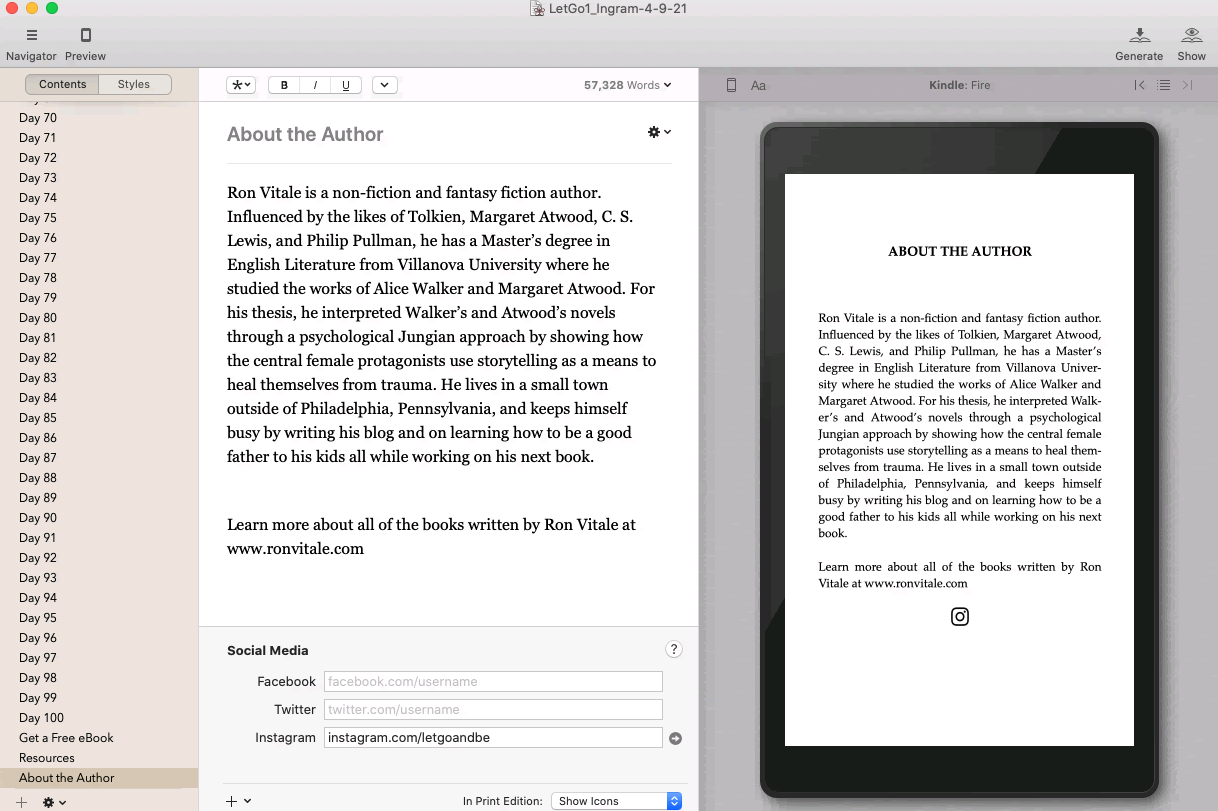
Vellum — Recommended Tool
The formatting tool we use to create beautiful ebooks and print books — no design skills needed.
Try Vellum FreeAffiliate link — we earn a small commission at no cost to you
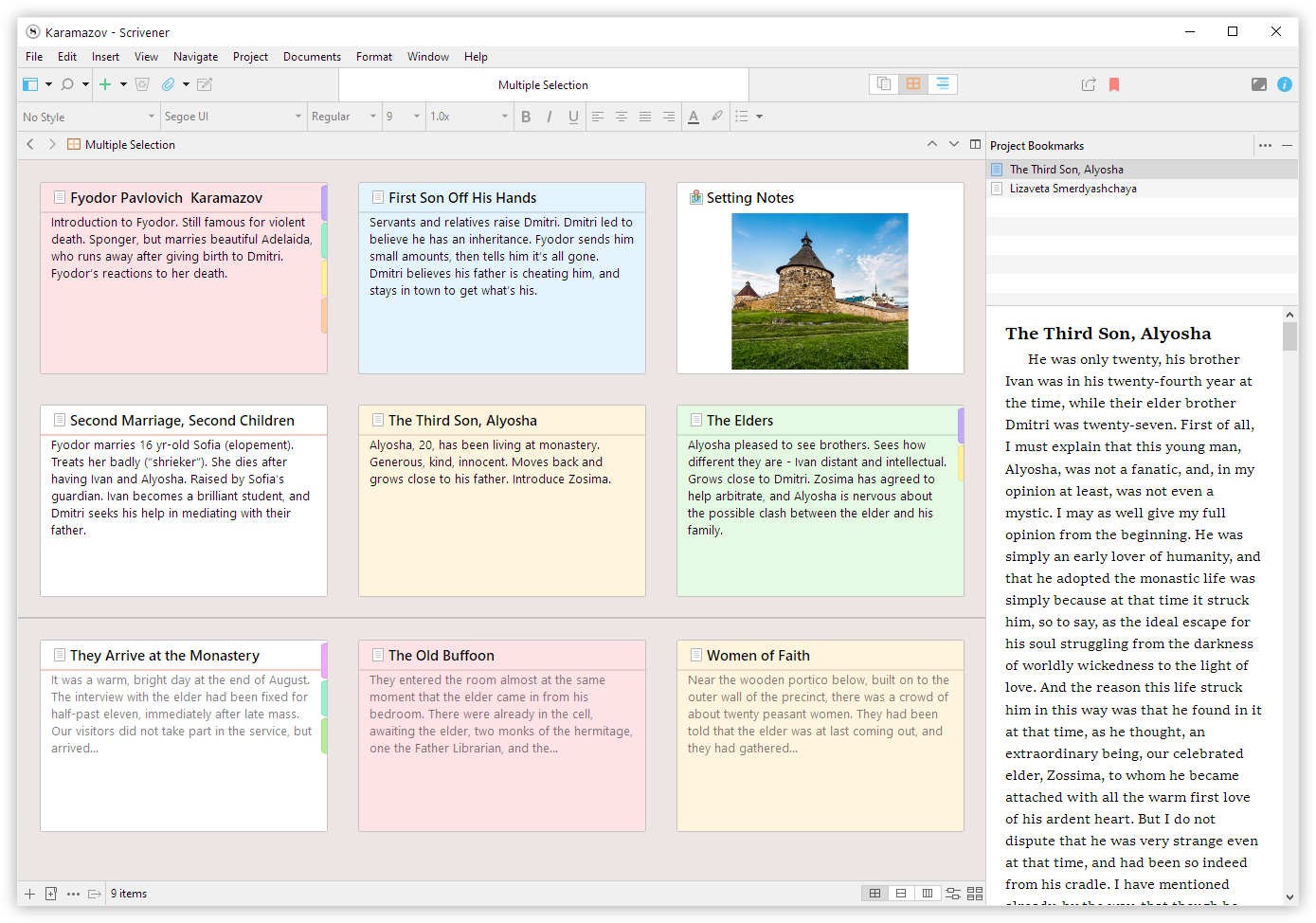
Scrivener — Recommended Tool
The writing app trusted by novelists, screenwriters, and non-fiction authors worldwide.
Get ScrivenerAffiliate link — we earn a small commission at no cost to you
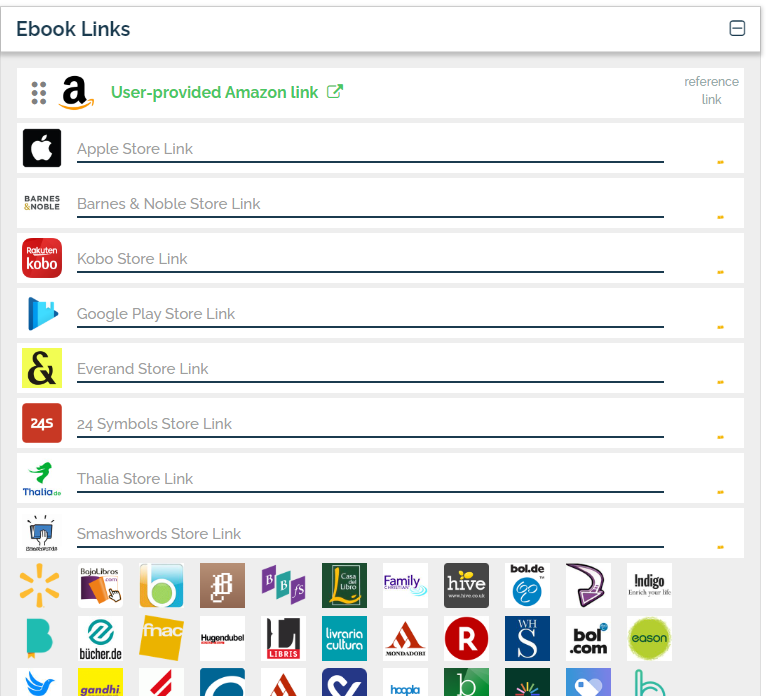
Draft2Digital — Recommended Tool
Distribute your ebook to Amazon, Apple Books, Kobo, and 40+ retailers — completely free.
Start Publishing FreeAffiliate link — we earn a small commission at no cost to you