
8 Proven Ways to Increase Your KDP Royalties in 2024 Without Writing More Books
KDP royalties are the earnings authors receive from Amazon Kindle Direct Publishing for each book sale or Kindle Unlimited page read. For indie authors, maximizing these royalties is crucial for building a sustainable writing career, and thankfully, there are numerous strategies to significantly boost your income without the constant pressure of releasing new titles.

8 Proven Ways to Increase Your KDP Royalties in 2024 Without Writing More Books
KDP royalties are the earnings authors receive from Amazon Kindle Direct Publishing for each book sale or Kindle Unlimited page read. For indie authors, maximizing these royalties is crucial for building a sustainable writing career, and thankfully, there are numerous strategies to significantly boost your income without the constant pressure of releasing new titles. This guide will show you how to optimize your existing catalog and marketing efforts for greater financial returns.
Table of Contents
- Optimize Your Book Descriptions and Keywords
- Master Your Pricing Strategy
- Leverage KDP Select and Kindle Unlimited Strategically
- Build and Nurture Your Author Email List
- Improve Your Book Covers and Interior Formatting
- Drive External Traffic to Your KDP Listings
- Create and Optimize Book Series and Back Matter
- Actively Solicit and Manage Reviews
1. Optimize Your Book Descriptions and Keywords
Your book description and keywords are the silent salespeople of your KDP listing. They are often the first, and sometimes only, chance you get to convince a potential reader to click "buy" or "read." Many authors write a description and choose keywords once, then forget about them, leaving significant money on the table. Treating these elements as dynamic marketing tools that require ongoing optimization is key to increasing your KDP royalties.
1.1 Craft Compelling, Benefit-Driven Descriptions
Your book description isn't a plot summary; it's a sales page. Its primary goal is to hook the reader, communicate the core appeal of your story or topic, and compel them to purchase. Focus on benefits, not just features. Instead of saying, "This book is about a detective solving a murder," try, "Dive into a gritty mystery where a jaded detective races against time to unmask a killer before another innocent life is lost." Use evocative language, create intrigue, and clearly articulate what the reader will gain from your book – whether it's escapism, knowledge, or entertainment.
Structure your description with a strong hook, a brief setup of the conflict or promise, the stakes involved, and a clear call to action. Use formatting like bold text, italics, and bullet points to break up the text and make it scannable. Remember, the first few lines are critical as they are what readers see above the "Read more" fold. Make them count! A well-written description can dramatically improve your click-through rates and, consequently, your sales.
1.2 Research and Refine Your KDP Keywords
Keywords are how readers find your book on Amazon. Choosing the right 7 keywords (or keyword phrases) can be the difference between obscurity and discoverability. Don't just guess; use data-driven research. Tools like Publisher Rocket, KDP Rocket, or even Amazon's search bar itself can provide invaluable insights. Type in terms related to your book and see what Amazon suggests. Look at what successful authors in your genre are using.
Focus on long-tail keywords (phrases of 3+ words) that are specific to your niche. For example, instead of just "fantasy," try "epic fantasy quest dragons" or "urban fantasy detective series." These phrases often have less competition and attract readers who know exactly what they're looking for. Experiment with different keywords and monitor your sales. Amazon's KDP dashboard allows you to change your keywords at any time, so iterate and improve. Regularly reviewing and updating your keywords (every 1-3 months) based on performance can significantly boost your book's visibility and sales.
1.3 Utilize Categories Effectively
Beyond keywords, Amazon categories are another powerful tool for discoverability. KDP allows you to select two browse categories directly, but you can contact KDP support to add up to eight additional categories. The goal is to find categories that are relevant to your book but have less competition, increasing your chances of ranking highly within them.
For instance, if your book is a historical romance, don't just put it in "Romance." Dig deeper into subcategories like "Romance > Historical > Regency" or "Romance > Historical > Western." The more specific you get, the better. Ranking #1 in a niche category, even if it's smaller, can lead to more consistent sales than being buried on page 50 of a massive, general category. Regularly check the top 100 lists in your chosen categories to see where your book stands and if there are more opportune categories to target.
2. Master Your Pricing Strategy
Pricing your book isn't a one-time decision; it's an ongoing strategy that can profoundly impact your KDP royalties. The sweet spot for pricing maximizes sales volume and profit margin simultaneously, and it often requires experimentation and market awareness.
2.1 Understand KDP Royalty Tiers
Amazon KDP offers two main royalty options for ebooks: 35% and 70%.
- 35% Royalty: Applies to books priced below $2.99 or above $9.99, or if your book is very large (over 10MB) and priced between $2.99 and $9.99 (due to delivery fees). It also applies to sales in certain territories where the 70% option isn't available.
- 70% Royalty: Applies to books priced between $2.99 and $9.99, provided your book is enrolled in KDP Select, or if it's not in KDP Select but sold in eligible territories and meets certain size requirements. For print books, royalties are typically 60% minus printing costs.
Understanding these tiers is fundamental. For most authors, the 70% royalty tier for ebooks is the goal, as it offers the highest profit margin per sale. This means pricing your ebooks between $2.99 and $9.99. However, there are strategic reasons to price outside this range, which we'll explore next.
2.2 Strategic Pricing for Different Goals
Your pricing strategy should align with your immediate goals.
- Launch Pricing: Often, authors will launch a new book at a lower price ($0.99 or even free via KDP Select promotions) to generate initial buzz, downloads, and reviews. This can help boost its ranking before raising the price to the 70% royalty tier.
- Perma-Free Lead Magnet: If you have a series, making the first book "perma-free" (permanently free) can be an incredibly effective strategy. This acts as a loss leader, drawing readers into your series, where they then purchase subsequent books at full price. While the first book earns no direct royalties, it drives sales for books 2, 3, and beyond, significantly increasing your overall KDP royalties. This strategy is particularly powerful for building an author platform and growing your email list.
- Mid-Range Pricing ($2.99-$5.99): This is often the sweet spot for many indie authors, offering a good balance of perceived value for readers and a healthy 70% royalty for you.
- Premium Pricing ($6.99-$9.99): If you have a well-established backlist, a strong author brand, or a particularly long and high-quality book, you might be able to command a higher price point within the 70% royalty tier.
Regularly review competitor pricing and genre norms. Don't be afraid to experiment with price changes and track the results. A slight price adjustment can sometimes lead to a significant increase in sales velocity and overall income.
2.3 Run KDP Promotions (Countdown Deals & Free Book Promotions)
KDP offers powerful promotional tools that, when used strategically, can dramatically increase your visibility and sales. These are only available if your book is enrolled in KDP Select.
- Kindle Countdown Deals: Allows you to offer your book at a reduced price for a limited time, with the price gradually increasing over several days. The key benefit is that you still earn 70% royalties during the countdown, even if the price drops below $2.99 (for sales made in eligible marketplaces). This creates urgency and can lead to a surge in sales.
- Free Book Promotions: Makes your book available for free for up to 5 days every 90-day KDP Select enrollment period. While you earn no royalties during the free period, the goal is to generate a massive number of downloads, which can significantly boost your book's ranking on Amazon. After the promotion ends, when the book returns to its paid price, this higher ranking can lead to a sustained increase in paid sales and page reads.
To maximize the impact of these promotions, combine them with external marketing efforts. Submit your promotion to book promotion sites, share it with your email list, and post about it on social media. The more eyes you get on your promotion, the more downloads or sales you'll achieve, leading to a greater boost in your KDP royalties once the promotion concludes.
3. Leverage KDP Select and Kindle Unlimited Strategically
KDP Select is Amazon's exclusive program for ebooks, offering unique promotional tools and access to Kindle Unlimited (KU). Deciding whether to enroll your book in KDP Select is a critical strategic choice that directly impacts your KDP royalties.
3.1 Understand the Pros and Cons of KDP Select
Pros:
- Access to Kindle Unlimited (KU): This is the biggest draw. KU subscribers can read your book for free, and you earn royalties based on the number of pages read. For many authors, especially in highly consumable genres like romance, sci-fi, and fantasy, KU page reads can account for a significant portion of their income.
- KDP Promotional Tools: As discussed, KDP Select grants access to Kindle Countdown Deals and Free Book Promotions, powerful tools for boosting visibility and sales.
- Higher Royalties (sometimes): For Kindle Countdown Deals, you can earn 70% royalties even if your book is priced below $2.99.
- Increased Visibility: Being in KU can expose your book to a vast audience of subscribers actively looking for new reads.
Cons:
- Exclusivity: The major drawback is that KDP Select requires 90-day exclusivity. Your ebook cannot be sold digitally anywhere else (your own website, other retailers like Apple Books, Kobo, Barnes & Noble, etc.) during this period.
- Reliance on Amazon: You become entirely dependent on Amazon's ecosystem for your ebook income.
- Variable KU Payouts: The per-page royalty rate for KU varies month-to-month based on a global fund. While often lucrative, it's not a fixed rate.
For many indie authors, especially those with series, KDP Select and KU are indispensable for generating substantial KDP royalties. However, for authors who prefer wider distribution or have a strong following on other platforms, "going wide" might be a better fit.
3.2 Optimize for Kindle Unlimited Page Reads
If you choose KDP Select, optimizing for KU page reads is paramount.
- Write to Market: Understand what KU readers in your genre enjoy. Fast-paced plots, compelling characters, and satisfying resolutions are often key.
- Series are King: KU readers are voracious. If they enjoy one book, they'll often binge an entire series. A well-constructed series with strong "read-through" (readers moving from one book to the next) is the most effective way to maximize KU page reads.
- Engaging First Chapters: Since KU readers can sample your book, make sure your first few chapters are compelling enough to hook them and encourage them to keep reading.
- Length Matters (to a point): Longer books generally mean more pages read, which means more royalties. However, don't pad your book unnecessarily; quality always trumps quantity. Aim for a length that feels appropriate for your genre and story. A 50,000-word novel will earn less per read than a 100,000-word novel, assuming both are read to completion.
3.3 A/B Test KDP Select vs. Wide Distribution
Don't assume KDP Select is always the best or worst option. For some books or genres, wide distribution (selling on all platforms) might yield higher overall royalties.
- Experiment: Try enrolling a new book in KDP Select for 90 days. Track your sales and KU page reads meticulously. After 90 days, consider unenrolling and distributing wide for the next 90 days. Compare the total income from both periods.
- Hybrid Approach: Many authors use a hybrid strategy. They might keep the first book in a series in KDP Select to attract new readers via KU, while distributing the rest of the series wide to capture readers who prefer other platforms. Or, they might keep their newest release in KDP Select for the initial launch period, then go wide after the 90 days.
The decision to go KDP Select or wide is fluid and should be re-evaluated periodically based on market conditions, your genre, and your specific goals. For more on this, check out our guide on Amazon KDP Select vs. Wide Distribution.
4. Build and Nurture Your Author Email List
If there's one piece of advice that consistently comes up from successful indie authors, it's this: "Build your email list." Your email list is your most valuable asset, offering a direct, unfiltered line of communication to your most engaged readers. This direct access is invaluable for increasing KDP royalties without relying solely on Amazon's algorithms.
4.1 Why an Email List is Your Most Valuable Asset
Unlike social media followers, who are subject to ever-changing algorithms and platform whims, your email list is yours. You own the data, and you control the message.
- Direct Access: You can directly inform readers about new releases, promotions, and news without competing with other content or paying for ads.
- Higher Conversion Rates: Email subscribers are typically your most dedicated fans. They've actively opted in to hear from you, making them far more likely to purchase your books or engage with your promotions.
- Algorithm-Proof: Your email list isn't affected by Amazon's algorithm changes or Facebook's reach limitations. It's a stable, reliable channel.
- Drives Sales Spikes: A well-timed email to your list can create a significant spike in sales during a launch or promotion, which in turn can boost your book's ranking on Amazon, leading to even more organic sales.
This isn't just about selling more books; it's about building a community around your work and fostering superfans.
📚 Recommended Resource: Newsletter Ninja by Tammi Labrecque Learn the secrets to building, growing, and engaging an email list that sells books without feeling spammy. [Amazon link: https://www.amazon.com/dp/1734314001?tag=seperts-20]
4.2 Strategies for Growing Your Email List
Growing your list requires offering value in exchange for an email address.
- Reader Magnet (Lead Magnet): Offer something compelling for free, such as a bonus short story, a prequel novella, character art, a deleted scene, or a non-fiction checklist. This "reader magnet" should be high-quality and relevant to your target audience.
- Call to Action in Books: Include clear calls to action (CTAs) in the front and back matter of all your books, inviting readers to join your list. Make it easy with a direct link.
- Website Sign-up Forms: Ensure your author website has prominent sign-up forms.
- Social Media & Ads: Promote your reader magnet on social media and consider running targeted ads to drive sign-ups.
- Giveaways & Contests: Partner with other authors or run solo giveaways where entry requires joining your email list.
Remember to comply with all privacy regulations (like GDPR and CCPA) when collecting email addresses. Use a reputable email service provider (ESP) like ConvertKit, MailerLite, or Mailchimp.
4.3 Nurturing Your List for Maximum Impact
Once you have subscribers, nurture them! Don't just email when you have a new book out.
- Regular, Valuable Content: Send newsletters that offer value beyond just sales pitches. Share behind-the-scenes glimpses, writing updates, personal anecdotes, recommendations for other books, or insights into your genre.
- Segment Your List: As your list grows, consider segmenting it based on genre preferences, engagement levels, or whether they've purchased from you before. This allows for more targeted and effective communication.
- Engage and Interact: Ask questions, run polls, and respond to replies. Build a relationship with your readers.
- Strategic Promotions: When you do have a new release or a KDP promotion, your engaged list will be ready to act. A well-timed email can generate a significant sales bump, which Amazon's algorithms often interpret as a signal of popularity, leading to increased organic visibility.
An active, engaged email list is a powerful engine for consistently driving KDP royalties, making it one of the most effective long-term strategies for indie authors. For more tips on building your author platform, read our guide on how to build an author platform.
5. Improve Your Book Covers and Interior Formatting
You've heard the adage: "Don't judge a book by its cover." Unfortunately, readers absolutely do, especially on Amazon. A professional cover and polished interior are non-negotiable for maximizing KDP royalties. They signal quality, professionalism, and genre appropriateness, directly influencing click-through rates and reader satisfaction.
5.1 Invest in Professional Book Cover Design
Your book cover is your most important marketing asset. It's the thumbnail image that appears in search results, ads, and recommendation lists. A poor cover will kill your sales faster than anything else, regardless of how good your story is.
- Genre Appropriateness: Your cover must instantly communicate your genre. A romance cover should look like a romance cover, a thriller like a thriller, and so on. Readers browse by genre, and a mismatched cover will confuse them and cause them to scroll past.
- Professional Quality: This means high-resolution images, expert typography, and a cohesive design. Avoid stock photos that look generic or amateurish fonts. If you can't afford a professional designer, consider using platforms like 99designs or Fiverr, but vet designers carefully based on their portfolio. Better yet, save up for a high-quality designer.
- Legibility: The title and author name must be easily readable, even at thumbnail size.
- A/B Testing (if possible): If you have multiple books, or if you're willing to invest, consider creating a few different cover options and testing them with your target audience or via Amazon Ads to see which performs best.
A stunning cover not only attracts clicks but also reinforces the perceived value of your book, making readers more willing to pay your chosen price. For more in-depth advice, check out our article on best book cover design tips for authors.
5.2 Ensure Impeccable Interior Formatting
Once a reader clicks on your book, the "Look Inside" feature allows them to preview your interior. If it's poorly formatted, with inconsistent fonts, awkward spacing, or glaring errors, they'll likely abandon the purchase. For print books, poor interior formatting can lead to negative reviews and returns.
- Readability: Choose a clean, legible font, appropriate line spacing, and comfortable margins.
- Consistency: Maintain consistent heading styles, chapter breaks, and paragraph indents throughout the book.
- Professional Touches: Include a title page, copyright page, dedication, and table of contents (especially for non-fiction). For ebooks, ensure your table of contents is hyperlinked.
- Error-Free: Beyond grammar and spelling, formatting errors can be distracting and unprofessional. Use tools like Vellum or Atticus, or hire a professional formatter, to ensure a polished look. Even for simple text, a tool like Scrivener can output beautifully formatted ebooks and print-ready PDFs.
- Platform-Specific Optimization: Ensure your ebook looks good on various devices (Kindle Paperwhite, Fire tablet, Kindle app on phones). Test it thoroughly.
A well-formatted interior enhances the reading experience, leading to higher reader satisfaction, positive reviews, and a greater likelihood of readers purchasing other books in your catalog.
5.3 Proofreading and Editing for Quality
While not strictly "formatting," editing and proofreading are crucial for perceived quality. A book riddled with typos, grammatical errors, or plot holes will lead to negative reviews, returns, and a damaged author reputation. This directly impacts your KDP royalties as readers will avoid your future work.
- Professional Editing: Invest in professional editing (developmental, copyediting, and proofreading). This is one area where cutting corners is almost always a false economy.
- Multiple Passes: Even after professional editing, do your own passes, and consider using tools like ProWritingAid to catch lingering errors.
- Beta Readers: Utilize beta readers to catch plot issues, character inconsistencies, and overall readability problems before publication.
A high-quality, error-free book delights readers, encourages them to leave positive reviews, and builds loyalty, ensuring they come back for your next release.
6. Drive External Traffic to Your KDP Listings
While Amazon's internal algorithms are powerful, relying solely on them is a passive strategy. Proactively driving external traffic to your KDP listings can significantly boost sales, improve rankings, and ultimately increase your KDP royalties. This means taking your marketing efforts beyond the Amazon ecosystem.
6.1 Utilize Paid Advertising (Amazon Ads, Facebook Ads)
Paid advertising can be a game-changer if done strategically.
- Amazon Ads (AMS): These are ads displayed directly on Amazon, targeting readers based on keywords, categories, or specific books. They are highly effective because you're reaching readers already in a buying mindset. Experiment with Sponsored Products (targeting keywords or ASINs) and Lockscreen Ads (targeting specific categories or interests). Start small, monitor your ACOS (Advertising Cost of Sale), and scale up what works.
- Facebook Ads (Meta Ads): These allow for incredibly granular targeting based on demographics, interests, and behaviors. You can target readers who like specific authors, genres, or even book-related pages. Facebook Ads are excellent for building an audience, driving traffic to your reader magnet, or promoting a new release to a cold audience. They often require more experimentation and a steeper learning curve than Amazon Ads but can yield massive returns.
- Comparison Table: Amazon Ads vs. Facebook Ads
| Feature | Amazon Ads (AMS) | Facebook Ads (Meta Ads) |
|---|---|---|
| Audience Intent | High (actively searching for books) | Low (browsing social media, less immediate buying intent) |
| Targeting | Keywords, ASINs, Categories, Interests | Demographics, Interests, Behaviors, Lookalikes |
| Learning Curve | Moderate (easier to get started) | High (more complex, many variables) |
| Cost | Can be efficient for direct sales | Can be cheaper per click, but conversion often lower without funnel |
| Best For | Direct sales, visibility on Amazon, ranking boosts | Audience building, lead generation, brand awareness, cold traffic |
| Exclusivity | Only promotes books on Amazon | Can promote any link (Amazon, wide, website, lead magnet) |
6.2 Engage on Social Media Platforms
Social media isn't just for sharing cat videos; it's a powerful tool for connecting with readers and promoting your books.
- Choose Wisely: Focus on platforms where your target audience spends their time. Instagram and TikTok are visual and great for book aesthetics and short videos. Facebook groups are excellent for community building. Twitter can be good for quick updates and engaging with other authors.
- Provide Value: Don't just spam "buy my book." Share insights into your writing process, character snippets, world-building details, behind-the-scenes content, book recommendations, or relevant news.
- Engage: Respond to comments, ask questions, and participate in discussions. Build relationships, and sales will follow.
- Consistent Presence: Regular, consistent posting keeps you top-of-mind with your followers.
Remember, social media is about building a brand and a community, which indirectly drives sales.
6.3 Leverage Book Promotion Sites and Newsletters
There are numerous third-party websites and email newsletters dedicated to promoting discounted or free ebooks.
- Submission Strategy: Submit your book to sites like BookBub (highly selective but incredibly effective), Freebooksy, BookGorilla, The Fussy Librarian, and many others. Each site has different criteria and pricing.
- Timing is Key: Coordinate these promotions with KDP Countdown Deals or Free Book Promotions to maximize impact. A BookBub Featured Deal, for example, can generate thousands of sales or downloads in a single day, dramatically boosting your book's ranking and visibility on Amazon.
- Research and Reviews: Most promotion sites require a certain number of positive reviews before they'll accept your book. This reinforces the importance of actively soliciting reviews.
While some of these services cost money, the return on investment can be substantial, leading to significant increases in KDP royalties by exposing your book to a massive, engaged audience.
📚 Recommended Resource: Strangers to Superfans by David Gaughran A comprehensive guide to building an author platform, driving traffic, and converting readers into loyal fans. [Amazon link: https://www.amazon.com/dp/1948080079?tag=seperts-20]
7. Create and Optimize Book Series and Back Matter
For many indie authors, particularly in fiction, series are the backbone of a sustainable income. A well-executed series encourages "read-through," meaning readers who enjoy one book are likely to buy the next, multiplying your KDP royalties without needing to attract a new reader for each title.
7.1 The Power of a Series for Passive Income
A standalone book requires constant marketing effort to find new readers. A series, however, creates a funnel. Once a reader is hooked on book one, the subsequent books in the series become "passive" income drivers.
- Increased Lifetime Value (LTV) per Reader: Instead of earning royalties from one book, you earn from multiple books from the same reader.
- Enhanced Discoverability: If one book in your series hits a bestseller list or gets promoted, it can pull readers into the entire series.
- Brand Loyalty: Readers who commit to a series become more invested in your author brand and are more likely to purchase future series or standalone works.
- Marketing Efficiency: You can market the first book in a series more aggressively (e.g., making it perma-free or heavily discounted) because you know the real profit comes from the subsequent books.
Consider how you can turn standalone ideas into series, or if your current books could be expanded into a longer narrative arc. Even non-fiction authors can create "series" by publishing related books on sub-topics.
7.2 Optimize Your Back Matter for Read-Through
Your book's back matter (the pages at the very end) is prime real estate for encouraging readers to continue their journey with you. Don't waste it!
- "Also By" Page: List all your other books, especially those in the same series, with direct links to their Amazon pages.
- Next Book Excerpt: Include a compelling, professionally formatted excerpt (the first chapter or two) of the next book in the series. This is a powerful psychological trigger, as readers are already invested in your world and characters. Make it easy for them to jump straight into the next story.
- Call to Action for Email List: Reiterate your call to action to join your email list, perhaps with a link to your reader magnet. This captures readers who have finished your book and are highly engaged.
- Request for Review: Politely ask readers to leave a review if they enjoyed the book. Make it easy by providing a direct link to the review page.
- Author Bio and Links: Include a brief, engaging author bio and links to your website and social media.
Review your back matter regularly. Is it clear? Is it compelling? Does it make it effortless for a reader to take the next step, whether that's buying another book or joining your community?
7.3 Use KDP Series Pages and Bundles
Amazon provides tools specifically for series authors:
- KDP Series Pages: You can link your books together as a series in KDP. This creates a dedicated series page on Amazon that lists all books in order, making it easy for readers to find and purchase the entire collection. Ensure your series metadata is correctly filled out in your KDP dashboard.
- Box Sets/Bundles: Consider creating multi-book bundles or "box sets" of your series. These offer readers a perceived value (more books for a slightly lower per-book price) and can significantly increase the average transaction value. For example, a 3-book box set might sell for $7.99, earning you a 70% royalty on a larger sum than three individual $2.99 books. This is especially effective after your series is complete or has several books out.
Optimizing your series strategy and back matter is a highly effective way to convert one-time readers into multi-book purchasers, leading to a substantial increase in your overall KDP royalties.
8. Actively Solicit and Manage Reviews
Reviews are the social proof that drives sales on Amazon. They influence Amazon's algorithms, convince potential buyers, and build trust. Actively soliciting and managing reviews is a continuous process that directly impacts your KDP royalties.
8.1 The Critical Role of Reviews for Sales and Algorithm
Amazon's algorithm heavily favors books with more (and higher-rated) reviews.
- Increased Visibility: Books with a good number of positive reviews are more likely to be shown in "Customers Also Bought" sections, recommended lists, and higher in search results.
- Social Proof: When a potential reader lands on your book page, the first thing they often check (after the cover and description) are the reviews. A healthy number of positive reviews acts as a powerful endorsement, reassuring them that your book is worth their time and money.
- Conversion Rate: More reviews, especially positive ones, directly correlate with a higher conversion rate (the percentage of visitors who buy your book).
- Ad Performance: Amazon Ads often perform better for books with more reviews, as the ads lead to a product page that instills confidence.
Without reviews, your book is essentially invisible and untrustworthy to many potential buyers.
8.2 Ethical Strategies for Soliciting Reviews
Amazon has strict rules about review manipulation, so it's crucial to solicit reviews ethically.
- Ask in Your Back Matter: As mentioned, include a polite request for a review in the back matter of your book, along with a direct link to the review page.
- Email List Request: Send a dedicated email to your list after a new release, asking for reviews. Emphasize that honest reviews, even short ones, are incredibly helpful.
- Advance Reader Copies (ARCs): Provide free copies of your book to a select group of "beta readers" or "ARC readers" before launch in exchange for an honest review once the book is published. Use services like BookFunnel or StoryOrigin to manage ARCs.
- Reader Groups/Communities: Participate in online reader communities (e.g., Goodreads groups, Facebook groups) where authors and readers interact. While you can't explicitly ask for reviews in many groups, building relationships can lead to organic reviews.
- Never Pay for Reviews: This is against Amazon's terms of service and can lead to your book being delisted or your account terminated. Never offer compensation (money, gift cards, etc.) for reviews.
8.3 Monitor and Respond to Reviews (Professionally)
Managing your reviews involves more than just getting them.
- Read All Reviews: Pay attention to both positive and negative feedback. Negative reviews, while sometimes painful, can offer valuable insights into areas for improvement (e.g., plot holes, pacing issues, editing errors).
- Respond to Questions (if applicable): If a review asks a direct question about your book, you can often respond publicly. This shows engagement and can clarify things for other potential readers.
- Don't Engage with Trolls: Some negative reviews are simply from trolls or people who didn't understand the book. Do not get into arguments or defensive debates. It rarely helps and often makes you look unprofessional.
- Report Abusive Reviews: If a review violates Amazon's guidelines (e.g., contains hate speech, personal attacks, or reveals major spoilers), you can report it to Amazon.
A steady stream of positive reviews is a powerful, self-perpetuating marketing engine that will continuously drive your KDP royalties higher. It's a long-term strategy that pays dividends for the entire lifespan of your book.
Frequently Asked Questions
Q: Can I really increase my KDP royalties without writing new books? A: Absolutely. By optimizing your existing catalog through improved descriptions, strategic pricing, targeted marketing, and leveraging Amazon's tools, you can significantly boost the performance and profitability of your current books, leading to higher KDP royalties.
Q: What is the most impactful change I can make to my existing books for more royalties? A: While all strategies are important, investing in a professional, genre-appropriate book cover and optimizing your book description and keywords are often the quickest and most impactful changes. These directly affect click-through rates and discoverability on Amazon.
Q: How often should I update my book descriptions and keywords? A: It's good practice to review and potentially update your book descriptions and keywords every 1-3 months, especially if sales are stagnant. Monitor what competitors are doing and use keyword research tools to find new opportunities.
Q: Is KDP Select always better than wide distribution for increasing royalties? A: Not always. KDP Select offers Kindle Unlimited page reads and powerful promotional tools, which can be highly lucrative for certain genres and series. However, wide distribution (selling on all platforms) can reach a broader audience. The best approach often involves testing or a hybrid strategy.
Q: How important is an email list for KDP royalties? A: Your email list is arguably your most valuable asset. It provides direct access to your most engaged readers, allowing you to drive sales spikes for new releases, promote existing books, and build a loyal community, all of which directly impact your KDP royalties.
Q: What's the ideal price for an ebook to maximize KDP royalties? A: For most ebooks, pricing between $2.99 and $9.99 allows you to earn a 70% royalty. The sweet spot often lies between $3.99 and $5.99, balancing perceived value for readers with a healthy profit margin for you. However, strategic lower pricing (e.g., $0.99 or free) can be effective for lead magnets or during promotions.
Q: How many reviews do I need for my book to start selling well? A: While there's no magic number, aiming for at least 20-50 legitimate, positive reviews is a good starting point. This provides enough social proof to build trust with potential buyers and signals to Amazon's algorithm that your book is gaining traction.
Q: Should I respond to negative reviews on Amazon? A: Generally, it's best not to engage with negative reviews directly. While you can respond to questions or clarify misinformation in a professional manner, getting into arguments often backfires. Focus on gathering more positive reviews to outweigh the negative ones.
Conclusion
Increasing your KDP royalties doesn't always mean burning yourself out writing more books. By strategically optimizing your existing catalog, mastering your marketing efforts, and leveraging the powerful tools Amazon provides, you can significantly boost your income and build a more sustainable author career. From refining your book descriptions and keywords to building an engaged email list and cultivating a strong review base, each of these eight strategies offers a tangible path to higher earnings. The key is consistent effort, a willingness to experiment, and a data-driven approach to your publishing business. Implement these tactics, and watch your KDP royalties grow without the constant pressure of the next deadline.
Ready to find your next great read or publishing resource? Browse the Taciturn Studios library for ebooks, puzzle books, and activity books.
This article contains Amazon affiliate links. If you purchase through them, Taciturn Studios earns a small commission at no extra cost to you.
Tools & Resources We Recommend
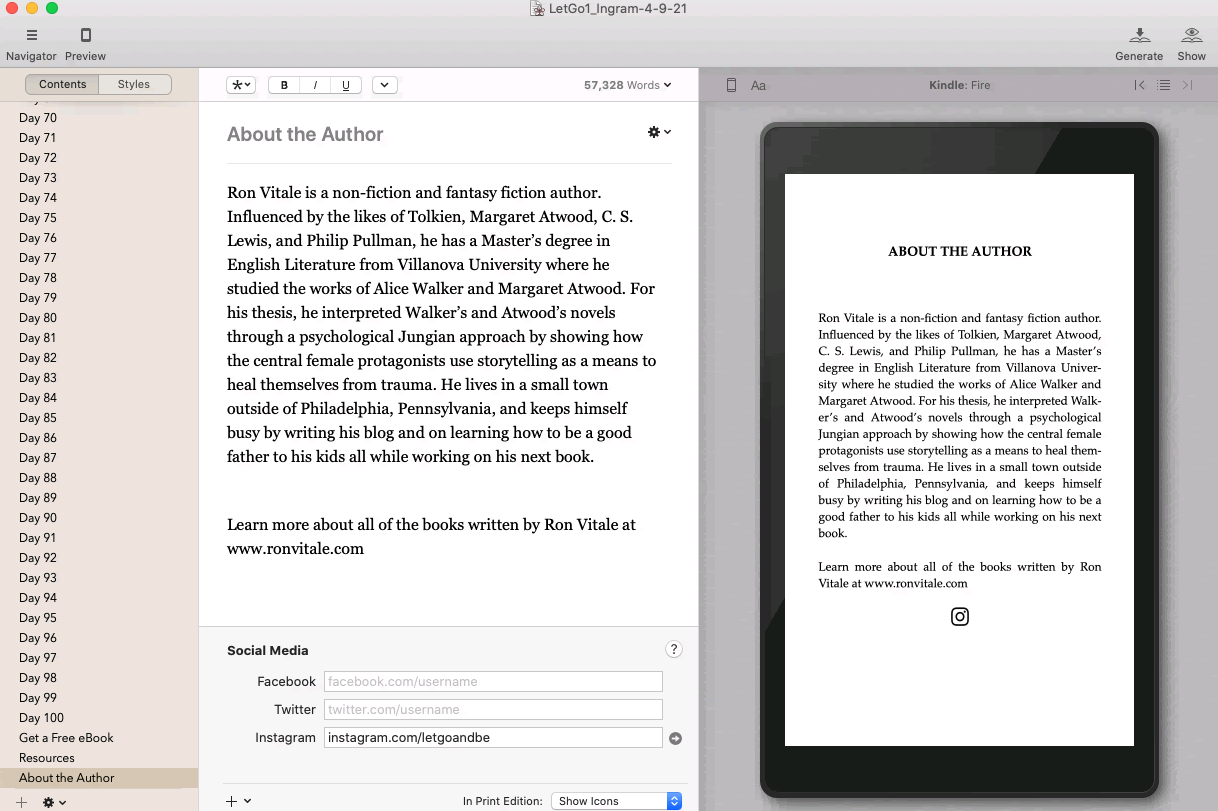
Vellum — Recommended Tool
The formatting tool we use to create beautiful ebooks and print books — no design skills needed.
Try Vellum FreeAffiliate link — we earn a small commission at no cost to you
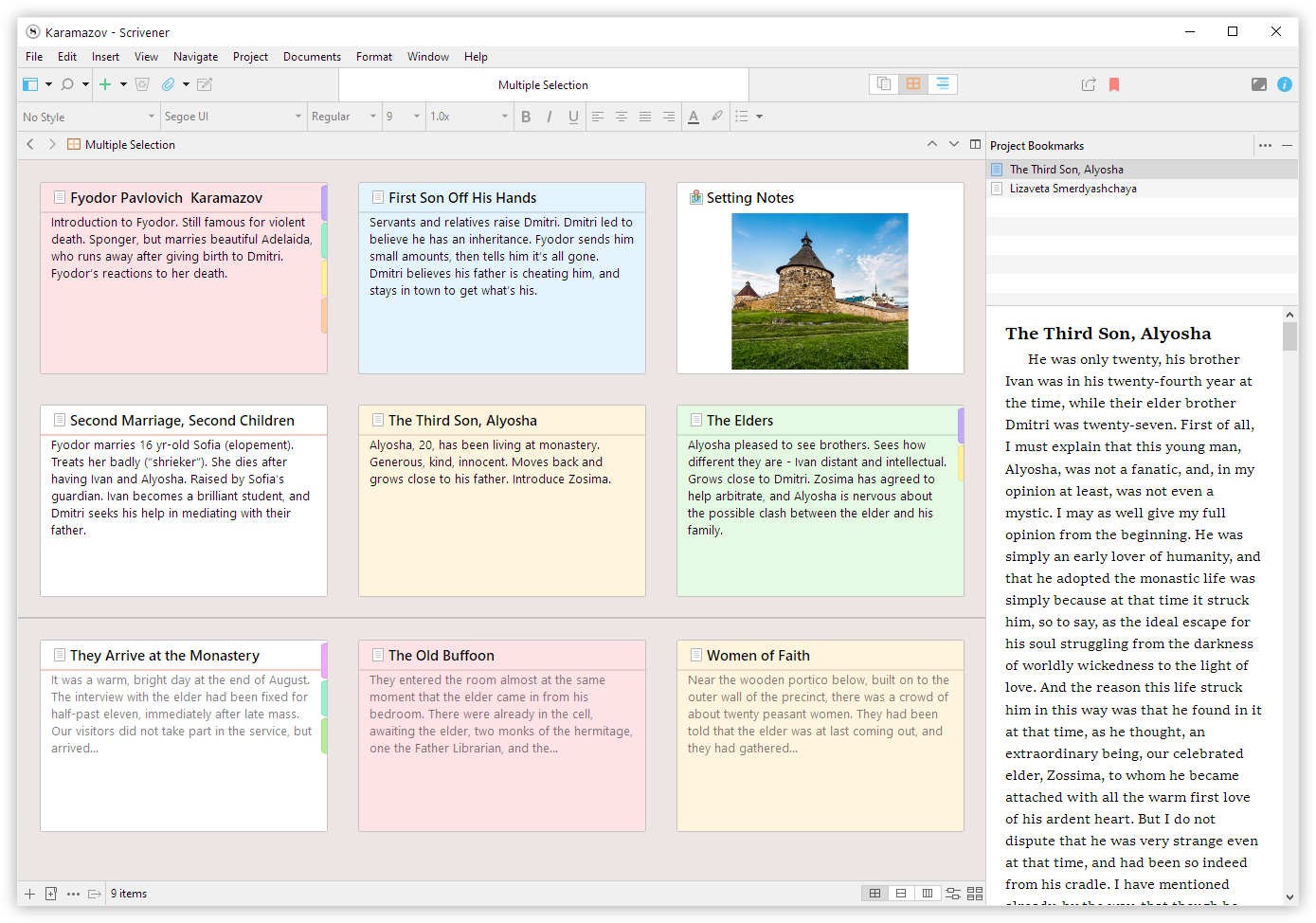
Scrivener — Recommended Tool
The writing app trusted by novelists, screenwriters, and non-fiction authors worldwide.
Get ScrivenerAffiliate link — we earn a small commission at no cost to you
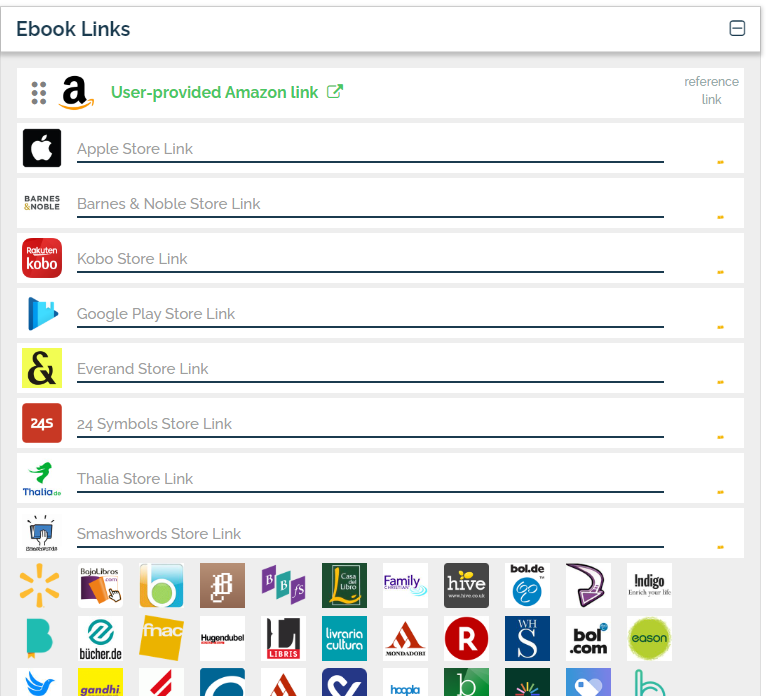
Draft2Digital — Recommended Tool
Distribute your ebook to Amazon, Apple Books, Kobo, and 40+ retailers — completely free.
Start Publishing FreeAffiliate link — we earn a small commission at no cost to you