
How to Build an Author Email List From Zero: A Step-by-Step Guide for 2026
Building an author email list from zero is the process of systematically attracting, engaging, and retaining potential readers' contact information to communicate directly with them about your books and author brand. This direct channel is paramount for indie authors because it bypasses algorithmic gatekeepers and allows for unparalleled control over your marketing messages, fostering a loyal community that drives consistent book sales and career longevity well into 2026 and beyond.
How to Build an Author Email List From Zero: A Step-by-Step Guide for 2026
Building an author email list from zero is the process of systematically attracting, engaging, and retaining potential readers' contact information to communicate directly with them about your books and author brand. This direct channel is paramount for indie authors because it bypasses algorithmic gatekeepers and allows for unparalleled control over your marketing messages, fostering a loyal community that drives consistent book sales and career longevity well into 2026 and beyond.
Table of Contents
- Why an Author Email List is Your Most Valuable Asset in 2026
- Step 1: Laying the Foundation – Essential Tools and Mindset
- Step 2: Crafting an Irresistible Reader Magnet
- Step 3: Setting Up Your List Building Infrastructure
- Step 4: Driving Traffic and Converting Subscribers
- Step 5: Nurturing Your List and Maximizing Engagement
- Advanced Strategies for Exponential Growth
Why an Author Email List is Your Most Valuable Asset in 2026
In the ever-evolving landscape of digital publishing, where social media algorithms are fickle and advertising costs are on the rise, an author email list remains the most stable, reliable, and profitable asset an indie author can possess. It's your direct line to your most engaged readers, a channel you own completely, free from the whims of third-party platforms. In 2026, as AI-driven content becomes more prevalent and competition intensifies, having a curated audience that wants to hear from you will be the ultimate differentiator.
The Power of Direct Communication
Social media platforms are fantastic for discovery, but they are rented land. Your posts might reach 5% of your followers on a good day, and that reach can disappear overnight with an algorithm change. An email list, however, guarantees that your message lands directly in the inbox of someone who has explicitly given you permission to contact them. This permission-based marketing fosters a deeper relationship, building trust and loyalty that translates into sales. It's not just about selling books; it's about building a brand and a community around your stories.
Future-Proofing Your Author Career
Think of your email list as your author career's emergency fund. If Amazon changes its policies, Facebook shuts down, or a new platform emerges, your email list remains. You can always reach your core audience. This resilience is crucial for long-term success. It allows you to announce new releases, share behind-the-scenes content, ask for feedback, and even pivot your genre or offerings without starting from scratch. It's the ultimate safeguard against market volatility and the cornerstone of a sustainable author business.
Maximizing Launch Success
For every new book launch, your email list becomes your most powerful marketing engine. A well-nurtured list can generate a surge of day-one sales, boosting your book's ranking on retailers like Amazon. This initial momentum is critical for triggering algorithms that then show your book to new readers. Imagine launching a book and having hundreds, or even thousands, of eager readers ready to buy it the moment it goes live. This is the power of a dedicated email list, turning what could be a quiet release into a bestseller.
Step 1: Laying the Foundation – Essential Tools and Mindset
Before you can start collecting email addresses, you need to set yourself up for success. This involves choosing the right tools and adopting a strategic mindset that views list building as a marathon, not a sprint. Don't get overwhelmed by the options; focus on functionality and scalability.
Choosing Your Email Service Provider (ESP)
Your ESP is the backbone of your email marketing efforts. It's the software that allows you to collect email addresses, send mass emails, segment your audience, and automate sequences. For indie authors starting from zero, ease of use, affordability, and specific author-centric features are key.
- MailerLite: Often recommended for beginners due to its generous free plan (up to 1,000 subscribers and 12,000 emails/month), intuitive interface, and robust automation features. It's easy to create landing pages and forms.
- ConvertKit: While pricier, ConvertKit is built for creators and offers excellent tagging, segmentation, and automation capabilities. Its visual automation builder is a standout feature for complex funnels.
- Mailchimp: A popular choice with a free plan, but its interface can be less intuitive for authors compared to MailerLite, and its automation features on the free tier are more limited.
Checklist: ESP Selection ✅ Free tier available for beginners ✅ Easy-to-use interface for creating forms and emails ✅ Automation capabilities (welcome sequences, tag-based emails) ✅ Good deliverability rates (emails actually reach inboxes) ✅ Scalable as your list grows
Setting Up Your Author Website or Blog
While not strictly necessary to start collecting emails, an author website is your central hub online and significantly enhances your list-building efforts. It's where you can host your reader magnet, embed sign-up forms, and establish your professional presence. Even a simple one-page site with your bio, books, and an email sign-up is a powerful tool. Platforms like WordPress (self-hosted), Squarespace, or even a dedicated landing page builder from your ESP can serve this purpose. For more on establishing your online presence, check out our guide on how to build an author platform.
Adopting a Long-Term, Value-Driven Mindset
Building an email list isn't about getting as many addresses as possible; it's about attracting the right readers and providing them with consistent value. Think about what your ideal reader wants and how you can serve them beyond just selling books. This could be exclusive content, early access, behind-the-scenes glimpses, or simply a connection with their favorite author. This mindset shift from "selling" to "serving" will make your list-building efforts more authentic and effective, leading to higher engagement and loyalty.
📚 Recommended Resource: Newsletter Ninja by Tammi Labrecque This book is an absolute game-changer for understanding the psychology behind email marketing and practical strategies for building and engaging your author email list. It demystifies the process and provides actionable advice. [Amazon link: https://www.amazon.com/dp/1734314001?tag=seperts-20]
Step 2: Crafting an Irresistible Reader Magnet
A reader magnet (also known as a lead magnet or freebie) is a piece of valuable content you offer for free in exchange for an email address. This is the single most effective tool for rapidly growing your list from scratch. It needs to be high-quality, relevant to your target audience, and provide immediate value.
What Makes a Great Reader Magnet?
The best reader magnets are directly related to your books or genre, give readers a taste of your writing style, and solve a specific problem or fulfill a desire. They should be easy to consume and leave the reader wanting more from you.
- Prequel Novella/Short Story: This is often the gold standard for fiction authors. It introduces characters or a world related to your main series, giving readers a low-commitment entry point.
- Bonus Chapter/Epilogue: If you have an existing book, offer an exclusive chapter or an alternate ending that isn't available anywhere else.
- Character Profiles/World Bible Excerpts: For fantasy or sci-fi authors, sharing snippets of your world-building or deep dives into beloved characters can be highly appealing.
- First-in-Series Freebie: Offering the first book in your series for free (on Amazon, for example, through KDP Select or by direct download) is a powerful way to hook readers. This is slightly different from a traditional reader magnet as it usually requires a separate platform strategy.
- Non-fiction authors: A checklist, template, short guide, or mini-course related to your book's topic.
Designing and Delivering Your Magnet
Once you've decided on your reader magnet, you need to create it and make it easily accessible.
- Write and Edit: Ensure your reader magnet is polished and professional. Treat it with the same care you would a published book. Even a short story needs a good edit.
- Format Professionally: Use a tool like Vellum or Atticus to format your reader magnet into an attractive ebook (EPUB and MOBI for Kindle, PDF for general use). For more on formatting, explore our comparison of Vellum vs. Atticus.
- Create a Cover: A compelling cover is essential, even for a freebie. It should match your genre and professional aesthetic. Consider using a service like Canva or hiring a designer. For tips on covers, see our article on best book cover design tips for authors.
- Host Your Magnet: Most ESPs allow you to upload files and link to them in your welcome email. Alternatively, you can host it on your website or a cloud service like Google Drive or Dropbox.
Testing and Optimizing Your Reader Magnet
Don't just set it and forget it. Pay attention to how well your reader magnet converts visitors into subscribers. If your sign-up rate is low, consider:
- Changing the title or description: Is it compelling enough?
- Adjusting the content: Is it truly valuable and high-quality?
- Improving the cover: Does it grab attention and signal genre?
- A/B testing: Some ESPs allow you to test different versions of your sign-up page or magnet description to see which performs better.
Step 3: Setting Up Your List Building Infrastructure
With your ESP chosen and your reader magnet ready, it's time to build the actual mechanisms that will capture email addresses. This involves creating sign-up forms and landing pages.
Crafting High-Converting Sign-Up Forms
Your sign-up forms are the gateways to your email list. They need to be clear, concise, and compelling.
- Keep it Simple: Only ask for essential information – typically just first name and email address. Every additional field decreases conversion rates.
- Clear Call to Action (CTA): Use action-oriented language like "Get My Free Story," "Download Now," or "Join My Reader Group."
- Highlight Benefits: Instead of just saying "Sign up for my newsletter," explain what subscribers will get (e.g., "Get exclusive deleted scenes and early access to new releases!").
- Privacy Statement: Include a brief statement about how you'll use their email and that you won't spam them. This builds trust and is often a legal requirement (GDPR, CCPA).
Designing Dedicated Landing Pages
A landing page is a standalone web page designed with a single purpose: to get visitors to sign up for your email list in exchange for your reader magnet. Unlike a regular website page, it removes distractions, focusing the visitor solely on the offer.
Comparison Table: Landing Page vs. Website Page
| Feature | Dedicated Landing Page | Standard Website Page |
|---|---|---|
| Primary Goal | Single conversion (email sign-up) | Information, navigation, multiple CTAs |
| Navigation | Minimal or no navigation links | Full site navigation (menus, footers) |
| Distractions | Designed to minimize distractions | Contains various links, content, and elements |
| Content Focus | Highly focused on the reader magnet offer & benefits | Broad content (blog posts, book pages, about me) |
| Conversion Rate | Generally higher due to focus | Generally lower for specific actions |
| SEO Impact | Less direct SEO value (often unindexed) | High SEO value (indexed, ranks for keywords) |
| Use Case | Ad campaigns, social media links, specific promotions | General browsing, organic search, author hub |
Most ESPs (MailerLite, ConvertKit) offer built-in landing page builders that are easy to use. Ensure your landing page is mobile-responsive, loads quickly, and visually aligns with your brand.
Integrating Forms Across Your Online Presence
Don't just rely on one sign-up point. Integrate your forms strategically across all your online properties:
- Author Website: Embed forms on your homepage, dedicated "Free Book" page, and blog posts. Consider a pop-up form (exit-intent pop-ups are often very effective).
- Book Back Matter: Include a link to your reader magnet landing page in the back of all your published books. This is a prime location to convert readers into subscribers.
- Social Media Bios: Add a direct link to your landing page in your Instagram bio, Twitter profile, Facebook page "About" section, and TikTok profile.
- Email Signature: Include a subtle link in your professional email signature.
- Online Retailer Profiles: Link to your website (which then links to your reader magnet) from your Amazon Author Page, Goodreads profile, and other retailer bios.
📚 Recommended Resource: Your First 10,000 Readers by Nick Stephenson This book is a foundational text for indie authors looking to build a robust email list. Stephenson breaks down the strategies for attracting and engaging readers, making list building accessible and actionable. [Amazon link: https://www.amazon.com/dp/1733028609?tag=seperts-20]
Step 4: Driving Traffic and Converting Subscribers
Once your infrastructure is in place, the next crucial step is to get people to see your reader magnet and sign up. This is where your marketing efforts come into play.
Organic Traffic Generation
Leverage free methods to bring potential readers to your sign-up forms and landing pages.
- Social Media Promotion: Regularly (but not exclusively) share your reader magnet on your preferred social media platforms. Create eye-catching graphics, short videos, and engaging posts that highlight the benefits of your freebie. Use relevant hashtags.
- Blog Content: Write blog posts related to your genre or themes in your books, then strategically place calls to action for your reader magnet within those posts. For example, if you write fantasy, a post about "5 Magical Creatures You'll Love" could lead to a free short story featuring one of those creatures.
- Guest Blogging/Podcast Appearances: Offer to write for other blogs or appear on podcasts in your niche. This exposes you to a new audience. Always include a link to your reader magnet landing page in your author bio.
- Cross-Promotion with Other Authors: Partner with authors in your genre for "newsletter swaps" or group promotions. This is a highly effective way to tap into established lists. Ensure their audience aligns with yours.
Paid Traffic Strategies (When You're Ready)
While starting from zero, focus on organic. However, once you have a budget, paid advertising can significantly accelerate your list growth.
- Facebook/Instagram Ads: These platforms offer powerful targeting capabilities, allowing you to reach readers based on their interests (e.g., specific authors, genres, TV shows). Create ads that promote your reader magnet directly.
- Amazon Ads (AMS): While primarily for selling books, you can run ads for a free first-in-series book (if that's your reader magnet strategy) or even target authors whose readers might enjoy your freebie.
- BookBub Ads: BookBub is a highly respected platform for readers. While their featured deals are competitive, their advertising platform allows you to target readers based on genre and authors they follow.
Case Study: Author A — From Zero to 1,000 Subscribers
- Before: Author A had 0 subscribers, relying solely on social media for book sales. Launches were slow, and reach was inconsistent.
- Strategy:
- Created a compelling prequel novella (15,000 words) for their fantasy series.
- Set up a MailerLite landing page for the novella.
- Linked the landing page in their Instagram bio, Facebook page, and the back matter of their first published book.
- Participated in 3 cross-promotions with other fantasy authors over 6 months.
- Wrote 4 blog posts on their website related to fantasy world-building, each with a CTA for the free novella.
- After (6 Months): Author A grew their email list to 1,050 subscribers. Their next book launch saw a 300% increase in day-one sales compared to previous launches, and their Amazon rank significantly improved, leading to sustained organic sales.
Optimizing Your Conversion Funnel
It's not enough to drive traffic; you need to convert that traffic. Continuously monitor your sign-up rates. If you have 100 visitors to your landing page and only 5 sign up, that's a 5% conversion rate. Aim for 20-40% for landing pages.
- A/B Test Headlines: Try different headlines on your landing page to see which resonates most.
- Refine Copy: Is your description of the reader magnet clear and enticing? Does it highlight the benefits?
- Simplify Forms: Remove any unnecessary fields.
- Improve Page Speed: Slow-loading pages kill conversions.
- Mobile Responsiveness: Ensure your landing page looks great and functions perfectly on all devices.
Step 5: Nurturing Your List and Maximizing Engagement
Getting subscribers is only half the battle. The real magic happens when you nurture that list, building a relationship that turns casual readers into superfans. This involves a well-crafted welcome sequence and consistent, valuable communication.
Crafting an Engaging Welcome Sequence
Your welcome sequence is the most important series of emails you'll send. It's your chance to make a great first impression, deliver your reader magnet, and introduce yourself and your author brand.
- Email 1: The Delivery & Thank You:
- Subject Line: "Your Free Story is Here! + Welcome to the [Your Name] Reader Crew!"
- Content: Thank them for signing up, deliver the link to your reader magnet, and set expectations for future emails (e.g., "Expect an email from me every two weeks with updates, recommendations, and exclusive sneak peeks!").
- Call to Action: Encourage them to reply to this email ("Hit reply and tell me what you thought of the story!"). This helps improve deliverability.
- Email 2: Introduce Yourself & Your World:
- Subject Line: "Behind the Scenes: My Journey to [Genre] Author"
- Content: Share a brief, personal story about why you write, what inspires you, or a fun fact about your writing process. Connect with them on a human level.
- Call to Action: Link to your author website or a specific book page.
- Email 3: Dive Deeper into Your Books:
- Subject Line: "If You Loved [Reader Magnet], You'll Love [Your First Book]"
- Content: Briefly introduce your published books, focusing on the first book in a series or your flagship title. Highlight what makes them unique and why a reader of your magnet would enjoy them.
- Call to Action: Direct links to purchase your books on their preferred retailer.
- Email 4 (Optional): Community & Engagement:
- Subject Line: "Join Our [Genre] Community!"
- Content: Invite them to join your private Facebook group, follow you on social media, or engage with you in other ways.
- Call to Action: Links to your community platforms.
Automate this sequence using your ESP. This ensures every new subscriber receives the same warm welcome without you lifting a finger.
Consistent and Valuable Newsletter Content
Beyond the welcome sequence, regular communication is key. Aim for a consistent schedule (e.g., monthly, bi-weekly) and always provide value.
- Author Updates: Share news about your writing progress, upcoming releases, cover reveals, or special events.
- Behind-the-Scenes: Offer glimpses into your writing process, character development, or world-building.
- Exclusive Content: Provide deleted scenes, character interviews, or bonus short stories only for your subscribers.
- Reader Recommendations: Recommend other books in your genre that you've enjoyed. This builds goodwill and positions you as a trusted resource.
- Personal Anecdotes: Share a little about your life, hobbies, or thoughts – anything that helps readers connect with you as a person.
- Calls for Feedback: Ask readers what they'd like to see next, what they thought of your latest book, or what their favorite character is. This fosters a sense of community.
Segmenting Your List for Targeted Messaging
As your list grows, not all subscribers will be interested in the same content. Segmentation allows you to send highly relevant emails to specific groups, increasing engagement and reducing unsubscribes.
- By Reader Magnet: If you have multiple reader magnets (e.g., one for fantasy, one for sci-fi), tag subscribers based on which magnet they downloaded.
- By Purchase History: If you sell direct, tag readers who have bought a specific book.
- By Engagement: Segment active readers (who open and click) from less active ones. You can then try to re-engage the less active segment with special offers.
- By Genre Interest: If you write in multiple genres, allow readers to self-select their preferred genres.
Advanced Strategies for Exponential Growth
Once you've mastered the basics, consider these advanced tactics to supercharge your list growth and engagement.
Running Contests and Giveaways
Contests are powerful list-building tools. Offer a desirable prize (e.g., signed copies of your books, an e-reader, gift cards) and require an email sign-up for entry. Use platforms like KingSumo or Gleam.io to manage entries and encourage sharing for bonus entries, which can lead to viral growth. Ensure the prize is relevant to your target audience to attract quality subscribers.
Leveraging Book Funnels and Permafree
A book funnel is a strategic sequence designed to convert readers into fans and buyers. A common strategy involves making the first book in a series permanently free ("permafree") on retailers like Amazon, Apple Books, and Kobo. In the back matter of that free book, you heavily promote your reader magnet and email list. This allows you to acquire readers at scale, then nurture them into buying subsequent books. For more on distribution, consider Amazon KDP Select vs. Wide Distribution.
Participating in Group Promotions and Swaps
Collaborate with other authors in your genre. This could involve:
- Newsletter Swaps: You promote another author's book/reader magnet to your list, and they do the same for you.
- Group Giveaways: Multiple authors contribute prizes to a large giveaway, and all participants promote it to their lists.
- StoryOrigin/BookFunnel: These platforms facilitate author collaborations, allowing you to easily set up group promotions, share reader magnets, and manage newsletter swaps. They are invaluable tools for indie authors.
Optimizing Your Back Matter
The back matter of your books is prime real estate for list building. Don't just include "Also by [Author Name]."
- Strong Call to Action: Clearly state the benefit of joining your list and offer your reader magnet.
- Direct Link: Provide a simple, memorable URL to your reader magnet landing page.
- Social Proof: Include a short testimonial or quote about your reader magnet or the benefits of joining your list.
- Preview of Next Book: Entice readers to continue their journey with you, then direct them to your list for updates.
Leveraging Paid Ads for List Growth (Advanced)
Beyond simple reader magnet ads, consider more sophisticated ad campaigns:
- Lookalike Audiences: Once you have a decent list size (1,000+), Facebook and Instagram can create "lookalike audiences" based on your existing subscribers, allowing you to target new people who are statistically similar to your current fans.
- Retargeting Ads: Target people who visited your website or landing page but didn't sign up. A gentle reminder ad can often convert these fence-sitters.
- Lead Generation Ads: Some platforms offer specific ad formats designed to collect email addresses directly within the ad platform, streamlining the sign-up process.
Remember, the goal is not just to get email addresses, but to build a community of engaged readers who eagerly anticipate your next release. By consistently providing value and fostering connection, your author email list will become the most powerful engine for your long-term success.
📚 Recommended Resource: Platform: Get Noticed in a Noisy World by Michael Hyatt While not exclusively about email, this book provides a holistic view of building your author platform, with a strong emphasis on owning your audience and creating a direct connection with your readers. Email is a central pillar of this strategy. [Amazon link: https://www.amazon.com/dp/1595553193?tag=seperts-20]
Frequently Asked Questions
Q: How often should I email my list? A: Consistency is more important than frequency. Most authors find success with a bi-weekly or monthly newsletter. If you have a launch coming up, you might increase frequency temporarily, but don't overdo it.
Q: What should I do if my list isn't growing? A: Re-evaluate your reader magnet (is it compelling?), your sign-up forms/landing pages (are they clear and visible?), and your traffic sources (are you promoting it enough?). Consider A/B testing different elements.
Q: Is it okay to buy an email list? A: Absolutely not. Buying an email list is against the terms of service for all reputable ESPs, leads to terrible engagement, high spam complaints, and can get your account shut down. Always build your list organically.
Q: What's the best time to send emails? A: This varies by audience. Generally, Tuesday, Wednesday, and Thursday mornings (9 AM - 12 PM local time) tend to perform well. Test different times and days to see what works best for your specific readers.
Q: How do I keep my email list engaged? A: Provide consistent value, personalize your messages, ask questions, run polls, offer exclusive content, and maintain a friendly, authentic voice. Don't just sell; connect.
Q: Should I worry about unsubscribes? A: Unsubscribes are a natural part of list growth. Don't take them personally. It means those readers weren't a good fit for your content, and their departure helps you maintain a highly engaged list of true fans.
Q: How many subscribers do I need to be successful? A: There's no magic number. A small, highly engaged list of 500 superfans is far more valuable than a disengaged list of 5,000. Focus on quality over quantity.
Q: What's the difference between a newsletter and an email list? A: An email list is the collection of email addresses. A newsletter is a type of email content you send to that list. Your email list can receive various types of emails, including newsletters, launch announcements, and automated sequences.
Conclusion
Building an author email list from zero is not an overnight task, but it is arguably the most impactful long-term strategy an indie author can implement. In 2026 and beyond, your direct connection to readers will be your most valuable asset, providing stability, increasing sales, and fostering a loyal community that champions your work. By choosing the right tools, crafting an irresistible reader magnet, strategically placing sign-up opportunities, and consistently providing value, you can cultivate a thriving email list that propels your author career to new heights. It's about building relationships, one email at a time, and creating a sustainable foundation for your publishing future.
Ready to find your next great read or publishing resource? Browse the Taciturn Studios library for ebooks, puzzle books, and activity books.
This article contains Amazon affiliate links. If you purchase through them, Taciturn Studios earns a small commission at no extra cost to you.
Tools & Resources We Recommend
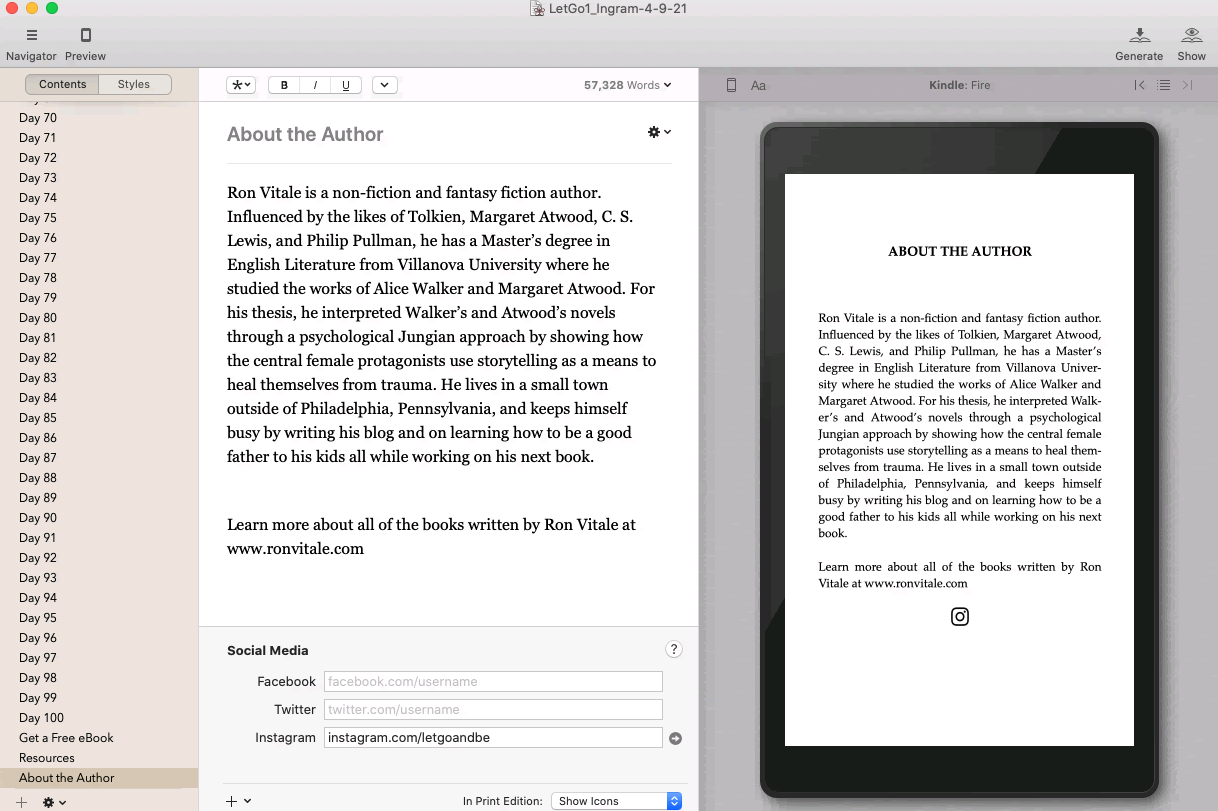
Vellum — Recommended Tool
The formatting tool we use to create beautiful ebooks and print books — no design skills needed.
Try Vellum FreeAffiliate link — we earn a small commission at no cost to you
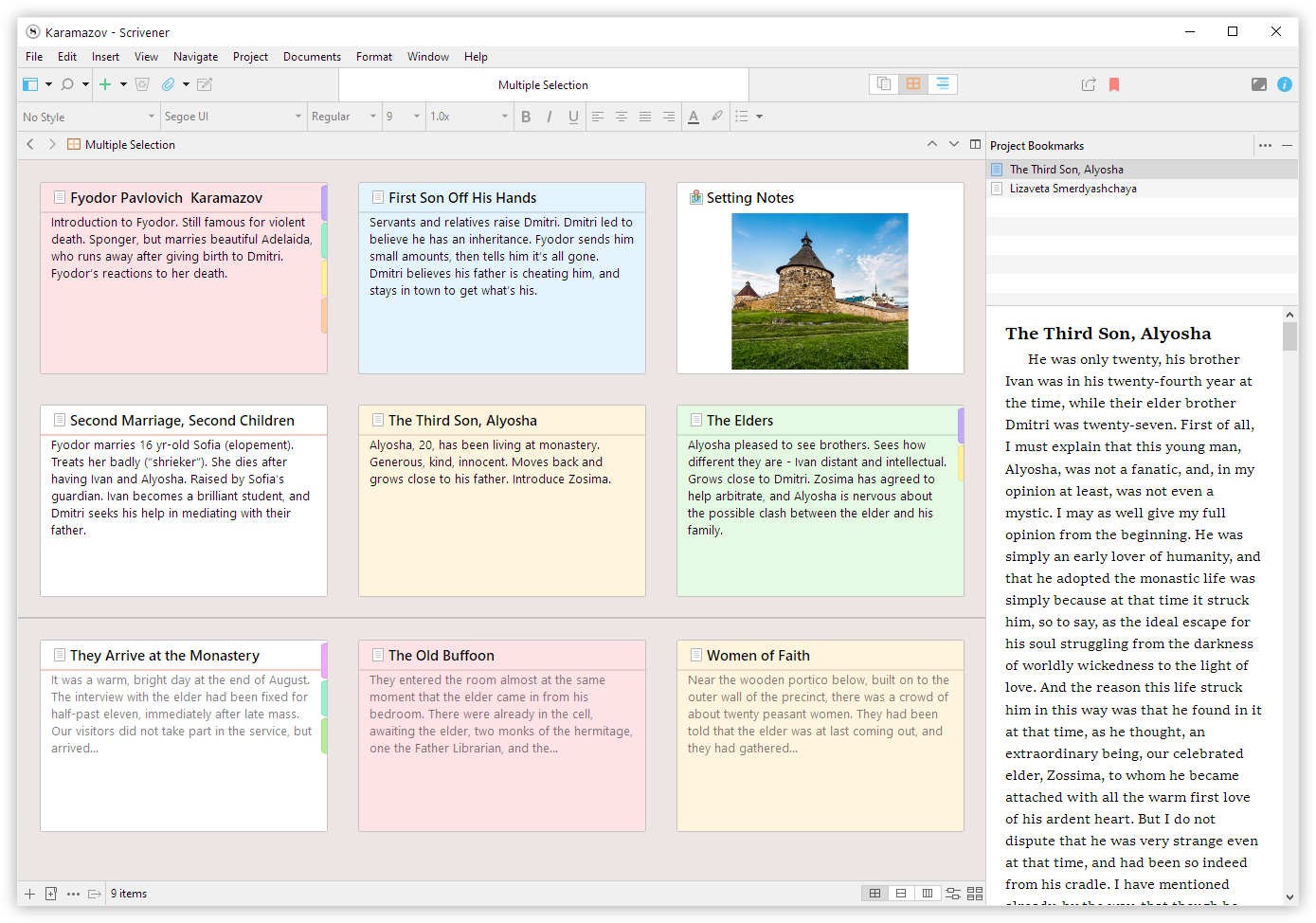
Scrivener — Recommended Tool
The writing app trusted by novelists, screenwriters, and non-fiction authors worldwide.
Get ScrivenerAffiliate link — we earn a small commission at no cost to you
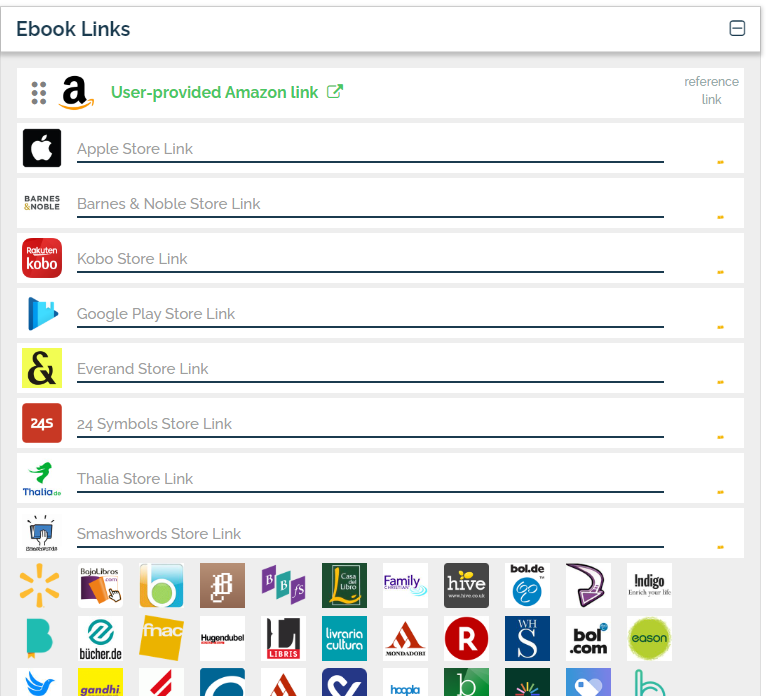
Draft2Digital — Recommended Tool
Distribute your ebook to Amazon, Apple Books, Kobo, and 40+ retailers — completely free.
Start Publishing FreeAffiliate link — we earn a small commission at no cost to you