
How to Price Your Self-Published Ebook in 2026: The Complete Strategy Guide
Ebook pricing is a dynamic and critical component of a self-published author's success, directly impacting sales volume, royalty rates, and overall revenue. In 2026, a strategic approach to pricing involves understanding market trends, platform algorithms, reader psychology, and the long-term value of your intellectual property.

How to Price Your Self-Published Ebook in 2026: The Complete Strategy Guide
Ebook pricing is a dynamic and critical component of a self-published author's success, directly impacting sales volume, royalty rates, and overall revenue. In 2026, a strategic approach to pricing involves understanding market trends, platform algorithms, reader psychology, and the long-term value of your intellectual property. This guide will equip you with a comprehensive framework to optimize your ebook pricing for maximum profitability and reach.
Table of Contents
- The Evolving Landscape of Ebook Pricing in 2026
- Foundational Ebook Pricing Principles for Indie Authors
- Crafting Your Initial Pricing Strategy: A Step-by-Step Approach
- Advanced Pricing Tactics for Maximizing Revenue and Readership
- Tools and Analytics for Ebook Pricing Optimization
- Common Ebook Pricing Mistakes to Avoid
The Evolving Landscape of Ebook Pricing in 2026
The self-publishing world is in constant flux, and 2026 is no exception. What worked for ebook pricing five years ago might be detrimental today. Authors need to be agile, data-driven, and willing to experiment to stay competitive. The sheer volume of new releases, coupled with evolving reader habits and technological advancements, means that a "set it and forget it" approach to pricing is a recipe for missed opportunities.
Understanding Current Market Dynamics
In 2026, the ebook market continues its steady growth, but with increased saturation. Readers have more choices than ever, and their purchasing decisions are influenced by a complex interplay of price, reviews, author reputation, and perceived value. The rise of independent authors has democratized publishing, but it has also intensified the competition for reader attention and dollars. Platforms like Amazon KDP, Apple Books, Kobo, and Google Play Books remain dominant, each with its own ecosystem and reader base. Understanding the nuances of each platform, including their promotional tools and royalty structures, is paramount. For a deeper dive into distribution, consider exploring Amazon KDP Select vs. Wide Distribution.
The Impact of AI and Personalization
Artificial intelligence is no longer a futuristic concept; it's actively shaping how readers discover and purchase books. In 2026, AI-driven recommendation engines on major platforms are more sophisticated than ever. These algorithms learn from individual reader behavior, purchase history, and even reading speed to suggest titles. This means that a book's visibility can be significantly boosted by strong sales velocity and engagement, which are often influenced by initial pricing strategies. Personalization also extends to targeted advertising, where authors can leverage AI tools to reach specific reader segments with tailored price promotions. Authors who understand how to feed these algorithms with positive signals (like good sales at an optimal price) will gain a significant edge.
Subscription Models and Their Influence
Subscription services like Kindle Unlimited (KU) continue to play a massive role in the ebook market. For authors enrolled in KDP Select, KU offers a different revenue stream based on pages read, rather than direct sales. This model influences pricing decisions, particularly for authors writing in genres popular on KU (romance, sci-fi, fantasy). A lower price point for a book in KU might encourage more borrows and page reads, potentially leading to higher overall earnings than a higher direct sale price. However, authors distributing wide (outside of KDP Select) need to consider how their pricing compares to the "all-you-can-read" value proposition of subscription services. It's a delicate balance between attracting readers who prefer to buy and those who prefer to subscribe.
Foundational Ebook Pricing Principles for Indie Authors
Before diving into specific tactics, it's crucial to grasp the underlying principles that govern ebook pricing. These principles are timeless, even as the market evolves, and form the bedrock of any successful pricing strategy.
Royalty Structures Across Platforms
The most significant differentiator in ebook pricing is the royalty rate offered by various platforms.
- Amazon KDP: Offers 70% royalty for ebooks priced between $2.99 and $9.99 USD in eligible territories. For books priced below $2.99 or above $9.99, the royalty drops to 35%. This 70% sweet spot is a major driver for many authors' pricing decisions.
- Apple Books, Kobo, Google Play Books: Generally offer a 70% royalty rate regardless of price, though there might be minimum price requirements or specific territorial variations.
- Other Retailers/Aggregators: Services like Draft2Digital or Smashwords often pass through the retailer's royalty, minus a small commission for their service.
Understanding these structures is vital because a $0.99 book at 35% royalty earns you $0.35, while a $2.99 book at 70% royalty earns you $2.09. The volume of sales needed to match the higher royalty rate can be substantial. This is why many authors aim for the $2.99-$9.99 range on KDP.
The Psychological Impact of Price Points
Price is not just a number; it's a signal to the reader.
- Bargain Bin ($0.99 - $1.99): Often signals a loss leader, a first-in-series freebie, or a book by a new, unproven author. Can drive high volume but lower per-unit profit.
- Sweet Spot ($2.99 - $5.99): Perceived as good value for a full-length ebook by an indie author. This range often maximizes both sales volume and royalty percentage on KDP.
- Premium ($6.99 - $9.99): Suggests a more established author, a longer book, or a niche non-fiction title with high perceived value. Readers expect high quality at this price.
- High End ($10.00+): Typically reserved for traditionally published books, academic texts, or very specialized non-fiction. Indie authors rarely price this high unless they have a significant backlist and reputation.
Odd pricing (e.g., $2.99 instead of $3.00) is a classic marketing tactic that makes a price seem lower than it is. The "99 cents" ending has a powerful psychological effect, making a book feel like a deal.
Genre-Specific Pricing Benchmarks
Different genres have different pricing expectations. What's acceptable in romance might be too low for literary fiction or too high for a short story collection.
- Romance, Sci-Fi, Fantasy: Often see success with lower price points ($2.99 - $4.99), especially for series where the first book might be perma-free or discounted to hook readers. These genres thrive on rapid consumption.
- Mystery/Thriller: Similar to romance, often in the $3.99 - $5.99 range, with series driving reader engagement.
- Literary Fiction: Can command slightly higher prices ($4.99 - $7.99), as readers may be looking for a more substantial, thought-provoking experience.
- Non-Fiction: Pricing is highly dependent on the perceived value of the information. A niche "how-to" guide that solves a specific problem can justify a higher price ($5.99 - $9.99 or even more for highly specialized topics) than a general interest non-fiction title.
- Children's Books: Often priced lower, similar to short stories, or bundled.
Case Study: Romance Series Pricing — Before/After Before: An indie romance author launched her first book at $4.99. Sales were slow, despite good reviews. After: She dropped the first book to $0.99 for a limited promotion, then settled it at $2.99. She then launched the second book at $3.99 and the third at $4.99. By strategically lowering the entry point for book one, she saw a significant increase in readership for the entire series, with readers happily paying more for subsequent books once hooked. Her overall series revenue increased by 150% within three months.
Crafting Your Initial Pricing Strategy: A Step-by-Step Approach
Setting your initial price isn't a shot in the dark; it's a calculated decision. This framework will guide you through the process for your next ebook launch in 2026.
Step 1: Define Your Book's Value Proposition
What unique value does your book offer? Is it entertainment, education, escape, or inspiration?
- Length and Depth: A 100,000-word epic fantasy can command a higher price than a 20,000-word novella. A comprehensive non-fiction guide is more valuable than a brief overview.
- Quality of Content: Have you invested in professional editing and cover design? A polished product justifies a higher price. (For cover design tips, see Best Book Cover Design Tips for Authors).
- Author Platform & Reputation: An author with a strong backlist, a dedicated fanbase, and positive reviews can often price higher than a debut author.
- Target Audience: Are you targeting budget-conscious readers or those willing to pay more for quality content?
Step 2: Analyze Your Competition and Niche
Don't price in a vacuum. Look at what similar books in your genre and niche are selling for.
- Direct Competitors: Identify 5-10 books that are similar in genre, length, and target audience. What are their prices? What kind of reviews do they have?
- Best-Sellers in Your Niche: How are the top-selling books in your category priced? Are they traditionally published or indie?
- Pricing Clusters: Do you see common price points (e.g., most books are $3.99 or $4.99)? This can indicate reader expectations.
Comparison Table: Ebook Pricing Across Genres (Hypothetical 2026 Data)
| Genre/Niche | Typical Price Range (Indie) | KDP Royalty (at typical price) | Reader Expectation | Best For (Pricing Strategy) |
|---|---|---|---|---|
| Romance (Series Starter) | $0.99 - $2.99 | 35% / 70% | Low entry, high volume | Hook readers, drive series sales |
| Epic Fantasy (Mid-Series) | $3.99 - $5.99 | 70% | Good value for length | Maintain reader engagement, consistent revenue |
| Cozy Mystery (Standalone) | $2.99 - $4.99 | 70% | Affordable entertainment | Attract new readers, build author brand |
| Self-Help (Niche) | $5.99 - $9.99 | 70% | High value, actionable advice | Premium content, target specific problem-solvers |
| Literary Fiction | $4.99 - $7.99 | 70% | Quality writing, thoughtful read | Attract discerning readers, build critical acclaim |
Step 3: Choose Your Distribution Model (KDP Select vs. Wide)
Your distribution choice heavily influences your pricing flexibility.
- KDP Select (Exclusive to Amazon for 90 days):
- Pros: Access to Kindle Unlimited (KU) pages read royalties, Kindle Countdown Deals, Free Book Promotions. Can be very powerful for driving visibility and sales velocity on Amazon.
- Cons: Cannot sell your ebook anywhere else.
- Pricing Implication: Often encourages authors to price within the $2.99-$9.99 range for 70% royalty, and to use promotional tools like free days or countdown deals strategically.
- Wide Distribution (Available on all platforms):
- Pros: Reach readers on Apple Books, Kobo, Google Play, Barnes & Noble, etc. Diversifies income streams.
- Cons: No access to KU, KCD, or free promos on Amazon. Requires managing multiple platforms or using an aggregator.
- Pricing Implication: More flexibility with price points, as most other retailers offer 70% royalty across wider ranges. However, you lose the promotional power of KDP Select.
Your decision here should align with your overall publishing goals. Are you trying to dominate Amazon, or build a broader global readership? For more on this, check out our guide on Amazon KDP Select vs. Wide Distribution.
Step 4: Set Your Launch Price
This is your initial public price.
- New Author/First in Series: Often starts at $0.99 or $2.99 to attract readers and generate initial reviews. The goal is visibility and building an audience.
- Established Author/Standalone: Might launch at $3.99 - $5.99, leveraging existing readership and reputation.
- Non-Fiction: Price based on perceived value and competition.
Remember, your launch price isn't set in stone. It's a starting point for optimization.
📚 Recommended Resource: Strangers to Superfans: A 3-Step Plan to Build Your Author Platform and Sell More Books by David Gaughran Learn how to build an author platform and reader funnels that will support your pricing strategies. [Amazon link: https://www.amazon.com/dp/1948080079?tag=seperts-20]
Advanced Pricing Tactics for Maximizing Revenue and Readership
Once your book is launched, the real work of pricing optimization begins. These advanced tactics allow you to dynamically adjust your pricing to achieve different goals throughout your book's lifecycle.
Free Book Promotions: When and Why
Making your ebook free is a powerful, albeit temporary, tactic.
- Why Go Free?
- Series Starter: The most common use. Offer the first book in a series for free to hook readers, hoping they'll buy subsequent books.
- Visibility Boost: Free books can climb charts quickly, exposing your other paid titles to new readers.
- Review Generation: Can lead to a surge in downloads and, hopefully, reviews, which are crucial for social proof.
- Audience Building: Great for driving sign-ups to your author newsletter. (If you need help with this, read Newsletter Ninja).
- When to Go Free:
- New Series Launch: To build momentum for subsequent books.
- Stalled Sales: To revive interest in an older title.
- Before a New Release: To introduce new readers to your backlist.
- How to Go Free:
- KDP Select: Use your 5 free days per 90-day enrollment period.
- Wide: Set the price to $0.00 on all retailers (often called "price matching" or "perma-free").
Checklist: Before Running a Free Promotion ✅ Ensure your book has a professional cover and blurb. ✅ Have at least 10-20 positive reviews. ✅ Link prominently to the next book in the series (if applicable). ✅ Promote the freebie heavily on social media, author groups, and book promotion sites. ✅ Ensure your author website and newsletter sign-up are easily accessible.
Countdown Deals and Limited-Time Offers
Kindle Countdown Deals (KCDs) are exclusive to KDP Select and allow you to discount your book for a limited time while still earning 70% royalties (as long as the price remains above $2.99).
- How KCDs Work: You set a discounted price for a specific duration (e.g., $0.99 for 3 days, then $1.99 for 4 days, then back to full price). Amazon displays a countdown timer, creating urgency.
- Benefits:
- Urgency: The countdown timer encourages impulse purchases.
- Higher Royalties: You can earn 70% royalties even at $0.99 or $1.99 during a KCD, which is a significant advantage over regular pricing.
- Visibility: KCDs often get extra promotion from Amazon.
- Best Use Cases:
- New Release Buzz: Generate early sales and reviews.
- Mid-Series Promotion: Discount an earlier book to pull readers into the series.
- Seasonal Sales: Tie into holidays or special events.
For wide distribution, you can manually create similar limited-time offers by changing your price on all platforms, but you lose the automatic timer and Amazon's promotional push.
Series Pricing Strategies
If you write series, your pricing strategy needs to be holistic.
- Loss Leader: Price book one at $0.99 or even free (perma-free or KDP Free Days) to maximize downloads and hook readers.
- Gradual Increase: Price subsequent books slightly higher (e.g., Book 1: $2.99, Book 2: $3.99, Book 3: $4.99). Readers who loved the first book are often willing to pay more for the next installment.
- Consistent Pricing: Some authors prefer to keep all books in a series at the same price point, especially if they are all similar in length and quality.
- Box Sets: Once you have 3+ books in a series, create a box set. Price it at a discount compared to buying each book individually (e.g., 3 books at $4.99 each = $14.97; box set at $9.99). This offers perceived value and higher per-sale revenue.
Bundling and Box Sets
Beyond series, bundling can be a powerful tool.
- Author Collections: Bundle several standalone books by the same author into a single volume.
- Thematic Bundles: Collaborate with other authors in your genre to create a themed box set. This exposes your work to new audiences.
- Pricing Bundles: Always price a bundle at a discount compared to buying the individual components. The goal is to increase the average transaction value and offer a compelling deal.
📚 Recommended Resource: Your First 10,000 Readers: How to Build Your Author Platform and Grow Your Audience by Nick Stephenson Building an audience is crucial for successful pricing strategies. This book offers actionable steps for growing your readership. [Amazon link: https://www.amazon.com/dp/1733028609?tag=seperts-20]
Tools and Analytics for Ebook Pricing Optimization
Pricing isn't a one-time decision; it's an ongoing process of monitoring, analyzing, and adjusting. In 2026, authors have access to more data than ever before.
Leveraging KDP Reports and Sales Data
Amazon KDP's reporting dashboard is your primary source of sales data.
- Sales Dashboard: Monitor daily sales, pages read (for KU), and royalties. Look for patterns. Do sales spike after a promotion? Do they drop off at a certain price point?
- Historical Data: Analyze performance over weeks, months, and years. Compare sales of different titles at different price points.
- Geographic Sales: See where your books are selling. This can inform targeted promotions or international pricing adjustments.
- KDP Promotions Tab: Track the performance of your Kindle Countdown Deals and Free Book Promotions.
Don't just look at raw sales numbers. Consider your net royalty per sale. A $0.99 book might sell 100 copies for $35 total royalty, while a $2.99 book might sell 20 copies for $41.80 total royalty. The higher price, despite fewer sales, yielded more income.
Third-Party Analytics and Tracking
Several tools can provide deeper insights or broader market data.
- Publisher Rocket (KDP-focused): Helps with keyword research, category analysis, and competitor analysis, which indirectly informs pricing by showing market demand and competition.
- Book Report / BookLinker: Browser extensions that enhance KDP's reporting, making it easier to visualize data and track performance.
- Kobo Writing Life / Apple Books for Authors: Each platform offers its own sales dashboards, providing data specific to those retailers.
- Aggregator Reports (e.g., Draft2Digital, Smashwords): If you distribute wide, these platforms consolidate sales data from multiple retailers.
A/B Testing Your Price Points
A/B testing, or split testing, involves trying different prices to see which performs best.
- How to A/B Test:
- Hypothesis: Formulate a hypothesis (e.g., "Raising my book's price from $3.99 to $4.99 will increase overall revenue by 10%").
- Control Group: Keep your current price for a period (e.g., 2-4 weeks) and record sales data.
- Test Group: Change the price to your new test price for a similar period (e.g., 2-4 weeks).
- Analyze: Compare the sales volume and total revenue generated by each price point.
- Considerations:
- Timeframe: Give each price point enough time to gather meaningful data.
- External Factors: Be aware of other factors that might influence sales (e.g., new releases, promotions by competitors, marketing efforts). Try to keep these consistent during your test.
- One Variable: Only change the price. Don't change your cover, blurb, or run major promotions simultaneously, as this will skew your results.
While direct A/B testing on Amazon is not as straightforward as with website elements, authors can achieve similar results by running price changes for specific, isolated periods and carefully tracking the outcomes. This iterative process is key to long-term pricing optimization.
Common Ebook Pricing Mistakes to Avoid
Even experienced authors can fall into common pricing traps. Being aware of these pitfalls can save you time, money, and frustration.
Underpricing Your Work
This is perhaps the most common mistake, especially for new authors.
- The "Race to the Bottom": Pricing at $0.99 because you think it's the only way to get sales. While $0.99 can be a strategic promotional price, making it your permanent price for a full-length book often signals low quality and significantly reduces your per-unit royalty. You'd need to sell almost 6 times as many $0.99 books (at 35% royalty) to match the royalty of one $2.99 book (at 70% royalty).
- Devaluing Your Art: Consistently underpricing can make readers perceive your work as less valuable, making it harder to raise prices later.
- Missed Opportunities: You might be leaving significant money on the table if readers would happily pay more for your content.
- Impact on Print: An ebook priced too low can make your print book seem overpriced by comparison, even if it's a fair price for print.
Overpricing and Alienating Readers
On the flip side, pricing too high can deter potential readers.
- New Author Overpricing: As a debut author, pricing your ebook at $7.99 or $9.99 without a proven track record or significant buzz can lead to very few sales. Readers are less likely to take a risk on an unknown author at a premium price.
- Genre Mismatch: Pricing a romance novel at $12.99 when the genre standard is $3.99-$5.99 will likely result in poor sales.
- Negative Perception: Readers might feel you're out of touch with the market or overvaluing your work, leading to frustration and fewer purchases.
Ignoring Market Feedback
The market is constantly sending signals. Ignoring them is a recipe for stagnation.
- Stagnant Sales: If your sales are consistently low despite good marketing efforts, your price might be a factor.
- Review Sentiment: While not directly about price, reviews that mention "not worth the price" or "good value for money" are direct feedback.
- Competitor Adjustments: If your competitors are successfully raising or lowering their prices, it's a signal to re-evaluate your own.
- Failing to Adapt: The ebook market in 2026 is dynamic. What worked last year might not work this year. Regularly review your pricing strategy, ideally quarterly or bi-annually.
Remember, your pricing strategy is a living document. It should be reviewed and adjusted based on performance, market trends, and your overall publishing goals. The goal is not just to sell books, but to build a sustainable author career. For more comprehensive insights into the business of self-publishing, Browse our book library and check out More publishing guides.
📚 Recommended Resource: 2K to 10K: Writing Faster, Writing Better, and Writing More of What You Love by Rachel Aaron While not directly about pricing, writing more and better books is key to having a robust backlist that supports advanced pricing strategies like series and box sets. [Amazon link: https://www.amazon.com/dp/1599638487?tag=seperts-20]
Frequently Asked Questions
Q: What is the best price for a self-published ebook in 2026? A: The "best" price is highly dependent on genre, author platform, book length, and distribution strategy. However, for most indie authors on Amazon KDP, pricing between $2.99 and $5.99 often hits the sweet spot for maximizing 70% royalties and attracting readers. Always research your specific niche.
Q: Should I price my first book at $0.99 or free? A: For a first book in a series, $0.99 or free can be a powerful strategy to attract new readers and build an audience. If it's a standalone, $2.99-$3.99 might be a better starting point to establish value, especially if you've invested in professional editing and cover design.
Q: How often should I change my ebook price? A: It's not advisable to change your price too frequently, as it can confuse readers and algorithms. However, a regular review (quarterly or bi-annually) is wise. Strategic price changes for promotions (like Kindle Countdown Deals) are different and encouraged.
Q: Does ebook pricing affect Amazon's algorithm? A: Yes, sales velocity (how quickly your book sells) at a given price point is a strong signal to Amazon's algorithm. A well-priced book that sells consistently can gain more visibility than an overpriced book with few sales, or a perpetually free book that doesn't lead to paid purchases.
Q: What's the difference between KDP Select pricing and wide distribution pricing? A: KDP Select (exclusive to Amazon) offers 70% royalties for $2.99-$9.99 and allows for Kindle Countdown Deals and Free Book Promotions. Wide distribution (selling on multiple platforms) generally offers 70% royalties across a broader price range but lacks Amazon's exclusive promotional tools.
Q: Should I price my ebook the same as my print book? A: Generally, no. Ebooks are expected to be significantly cheaper than print books due to lower production costs and the digital format. Pricing your ebook too close to your print book can deter ebook sales.
Q: How do I know if my ebook is priced too high or too low? A: Monitor your sales data, conversion rates (if you have them), and reviews. If sales are stagnant despite good marketing, it might be too high. If you're selling a lot but your overall revenue is low, or reviews mention "great value," you might be underpriced. Compare your pricing to successful books in your niche.
Q: Can I change my ebook price at any time? A: Yes, you can change your ebook price at any time through your KDP dashboard or other retailer platforms. Be aware that it can take a few hours for the change to propagate across all stores. For KDP Select, there are limitations on how often you can run Kindle Countdown Deals or Free Book Promotions.
Conclusion
Pricing your self-published ebook in 2026 is far more than picking a random number; it's a strategic art and science that requires continuous attention. By understanding the evolving market dynamics, leveraging foundational principles, employing advanced tactics, and diligently analyzing your data, you can optimize your ebook pricing for maximum profitability and readership. Avoid common pitfalls like underpricing or overpricing, and always be prepared to adapt your strategy based on market feedback and your publishing goals. The indie author landscape rewards those who are informed, flexible, and willing to experiment. Mastering ebook pricing is a cornerstone of building a sustainable and successful author career.
Ready to find your next great read or publishing resource? Browse the Taciturn Studios library for ebooks, puzzle books, and activity books.
This article contains Amazon affiliate links. If you purchase through them, Taciturn Studios earns a small commission at no extra cost to you.
Tools & Resources We Recommend
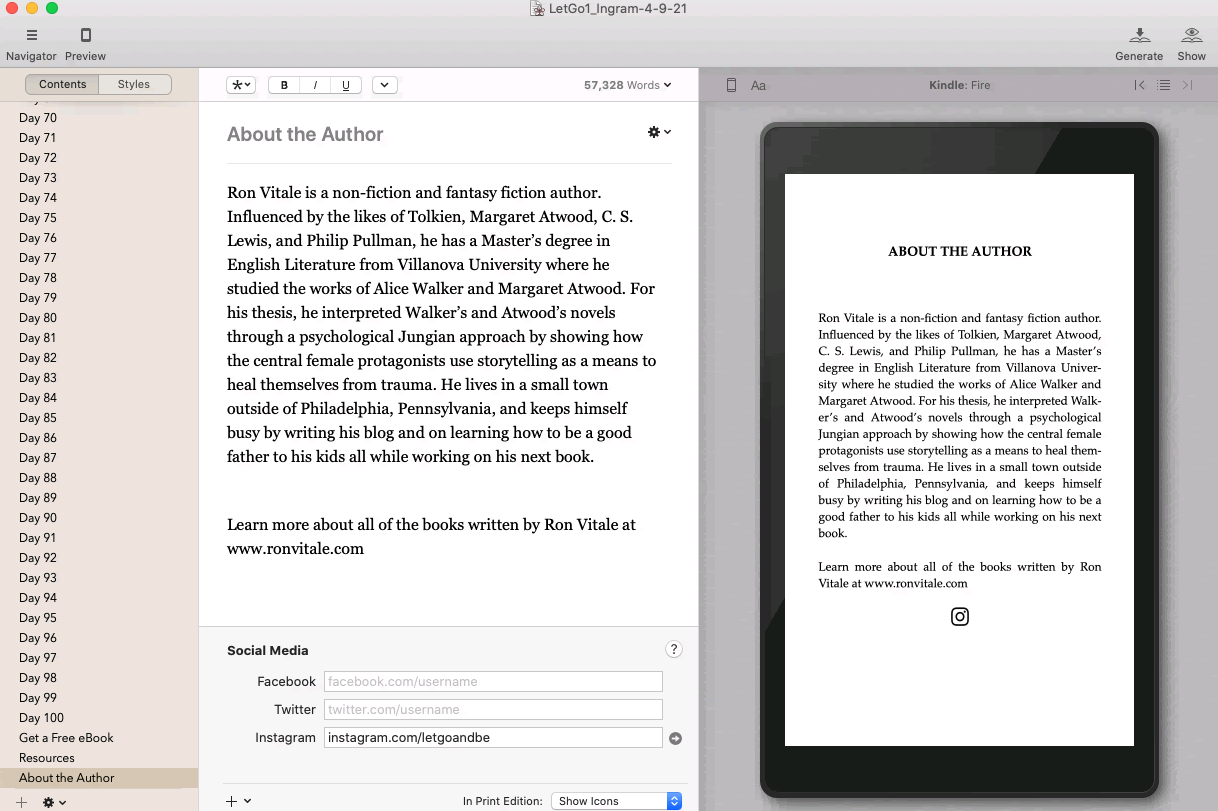
Vellum — Recommended Tool
The formatting tool we use to create beautiful ebooks and print books — no design skills needed.
Try Vellum FreeAffiliate link — we earn a small commission at no cost to you
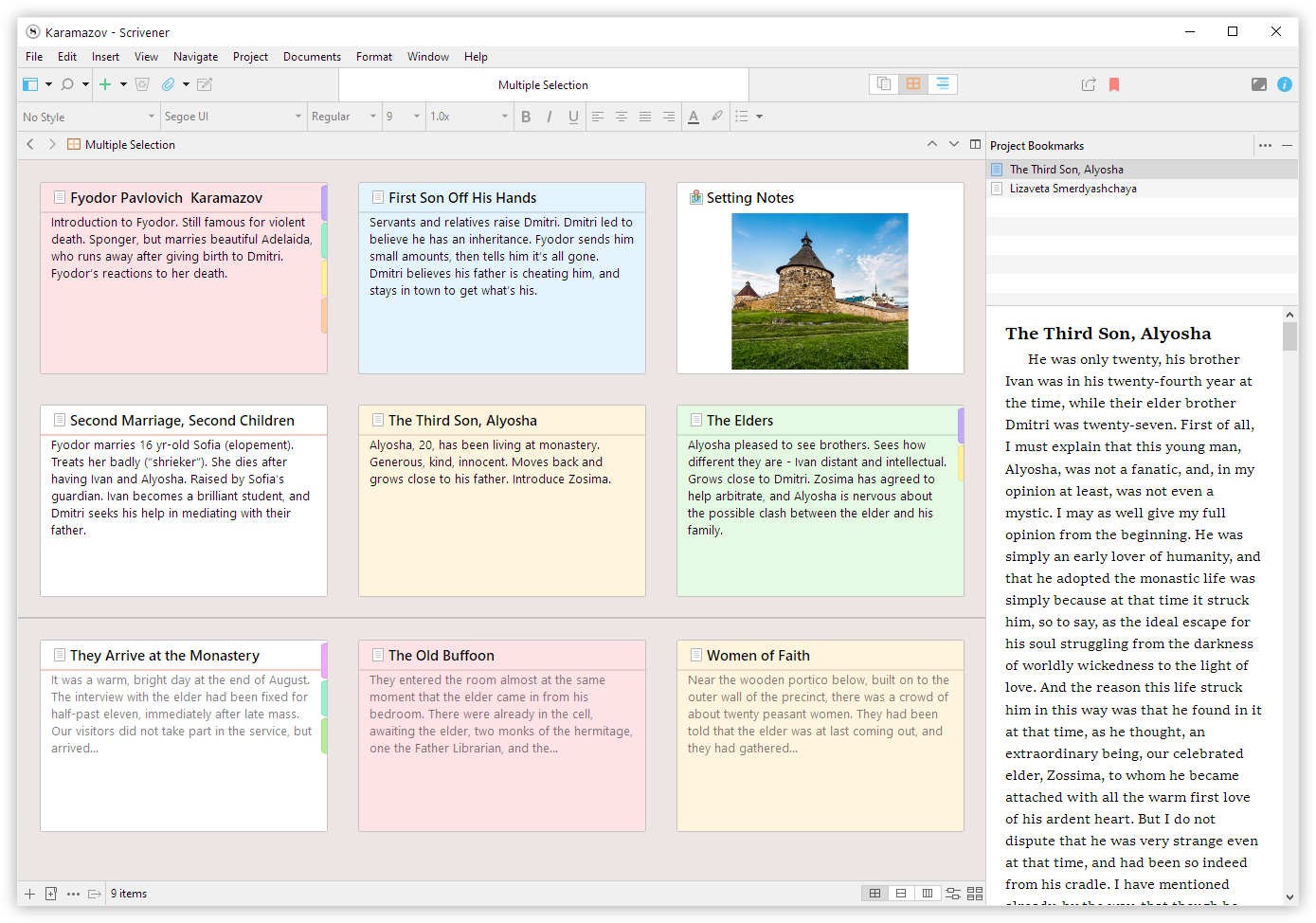
Scrivener — Recommended Tool
The writing app trusted by novelists, screenwriters, and non-fiction authors worldwide.
Get ScrivenerAffiliate link — we earn a small commission at no cost to you
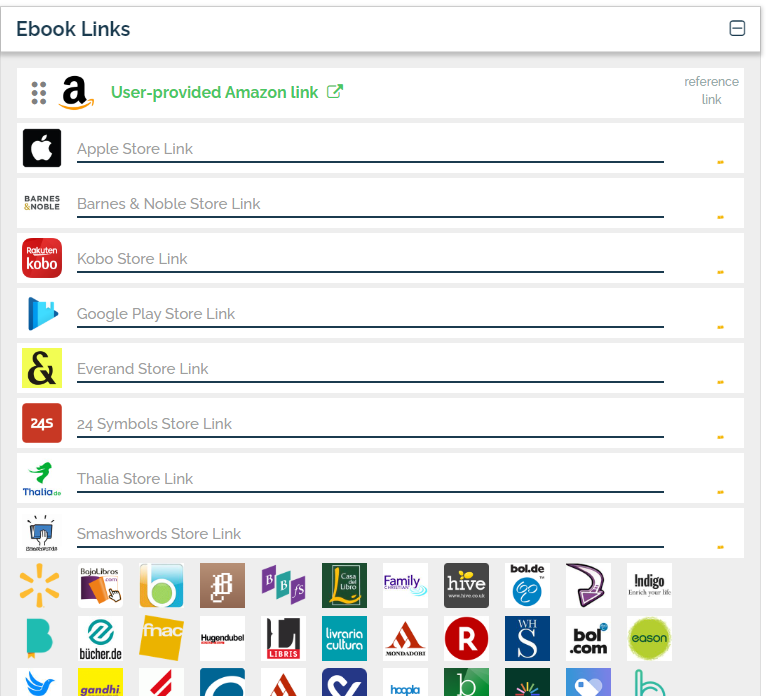
Draft2Digital — Recommended Tool
Distribute your ebook to Amazon, Apple Books, Kobo, and 40+ retailers — completely free.
Start Publishing FreeAffiliate link — we earn a small commission at no cost to you