
How to Write a Book Description That Sells: The 5-Part Formula for Indie Authors in 2024
A book description is a concise, compelling piece of marketing copy designed to entice potential readers to purchase your book. It's often referred to as an Amazon blurb or back-cover copy, and its primary purpose is to hook a reader, convey the essence of your story or topic, and ultimately drive sales.

How to Write a Book Description That Sells: The 5-Part Formula for Indie Authors in 2024
A book description is a concise, compelling piece of marketing copy designed to entice potential readers to purchase your book. It's often referred to as an Amazon blurb or back-cover copy, and its primary purpose is to hook a reader, convey the essence of your story or topic, and ultimately drive sales. For indie authors, mastering book description writing is crucial because it's one of the most powerful tools you have to convert browsers into buyers on platforms like Amazon, Kobo, and Apple Books, directly impacting your book's visibility and success.
Table of Contents
- The Indispensable Power of a Killer Book Description
- Why Your Book Description is Your #1 Sales Tool
- The Psychology Behind a Purchase Decision
- Common Blurb Mistakes Indie Authors Make
- Deconstructing the 5-Part Formula for Fiction
- Part 1: The Irresistible Hook (1-2 Sentences)
- Part 2: The Core Conflict & Stakes (3-4 Sentences)
- Part 3: The Protagonist's Journey & Dilemma (2-3 Sentences)
- Part 4: The Call to Action & Promise (1 Sentence)
- Part 5: The "What If" or "If You Like" Tags (Optional, but Powerful)
- Crafting Non-Fiction Descriptions That Convert
- Identify the Reader's Problem
- Present Your Solution & Its Benefits
- Establish Your Authority & Credibility
- The Clear Call to Action for Non-Fiction
- Leveraging Keywords for Discoverability
- Optimizing Your Amazon Blurb for Maximum Impact
- Formatting for Readability: The Power of HTML
- Keywords and Search Engine Optimization (SEO)
- A/B Testing Your Descriptions
- Leveraging Editorial Reviews and Author Central
- Beyond the Blurb: Integrating Your Description into Your Marketing
- Consistency Across Platforms
- Using Your Blurb in Ad Copy
- Book Description as a Foundation for Your Author Brand
- Hiring a Professional Blurb Writer
- Practical Steps to Write Your Winning Book Description
- Step 1 of 5: Analyze Your Genre & Competitors
- Step 2 of 5: Outline Your Core Elements
- Step 3 of 5: Draft with Purpose (and a Timer)
- Step 4 of 5: Edit, Refine, and Test
- Step 5 of 5: Monitor and Iterate
The Indispensable Power of a Killer Book Description
As indie authors, we pour our hearts and souls into writing our books. We spend countless hours crafting compelling plots, developing relatable characters, or researching groundbreaking information. We invest in professional editing and eye-catching cover design. But all that effort can go to waste if our book description—that small block of text on a digital storefront—fails to capture a reader's attention. Think of it as your book's elevator pitch, its first impression, and its most direct sales tool. Without a compelling description, even the most brilliant book can languish in obscurity.
Why Your Book Description is Your #1 Sales Tool
Your book description is more than just a summary; it's a sales page in miniature. On platforms like Amazon KDP, readers often make a snap decision based on three key elements: the cover, the title, and the description. While a stunning cover might stop them scrolling, it's the description that seals the deal. It answers the crucial question every potential buyer has: "Is this book for me?"
It's the bridge between curiosity and commitment. A well-written blurb creates intrigue, establishes the genre, hints at the emotional journey, and ultimately persuades a reader to click "Look Inside" or, even better, "Buy Now." It's your last chance to convince them before they move on to the next title in a sea of millions. For more insights into broader marketing strategies, check out our guide on book marketing strategies for self-published authors.
The Psychology Behind a Purchase Decision
Understanding why people buy books is key to writing an effective description. Readers aren't just looking for words on a page; they're looking for an experience, an escape, a solution, or an emotional connection.
- Emotional Connection: For fiction, readers want to feel something—excitement, fear, love, suspense. Your description should hint at these emotions without giving away the entire plot.
- Problem/Solution: For non-fiction, readers are often looking to solve a problem, learn a new skill, or gain knowledge. Your description needs to clearly articulate the problem your book addresses and the benefits it offers.
- Curiosity: A good blurb creates a "story gap"—it introduces a compelling question or situation that the reader must know the answer to.
- Belonging/Identity: Readers often buy books that align with their interests, values, or desired self-image. Your description can subtly signal who the book is for.
- Trust/Authority: Especially for non-fiction, readers want to know that the author is credible and that the information will be valuable.
Your book description taps into these psychological triggers, moving a reader from casual browsing to committed buying.
Common Blurb Mistakes Indie Authors Make
Even seasoned authors can fall into common traps when writing their descriptions. Avoiding these pitfalls is as important as mastering the formula.
- Too Much Plot Summary: This is the most frequent mistake. A description is not a synopsis. It should tease, not tell. Don't reveal major twists, the ending, or even mid-book turning points. Your goal is to intrigue, not to spoil.
- Generic Language: "A thrilling adventure," "a heartwarming tale," "a must-read." These phrases are overused and tell the reader nothing specific about your book. Be specific, use evocative language, and let your unique voice shine through.
- Focusing on the Writing Process: Readers don't care how hard you worked on the book or how many drafts it took. They care about what the book will do for them. Keep the focus entirely on the reader's experience.
- Poor Formatting: A wall of text is intimidating. Readers scan, especially on mobile devices. Use short paragraphs, bolding, italics, and bullet points (where appropriate) to break up the text and highlight key information.
- Lack of a Clear Call to Action: Don't assume readers know what to do next. Tell them! "Buy now," "Discover the truth," "Uncover the secrets."
- Ignoring Keywords: While not the sole focus, neglecting relevant keywords means missing out on discoverability. We'll dive deeper into this later.
- Sounding Unprofessional: Typos, grammatical errors, and awkward phrasing immediately undermine your credibility. Proofread meticulously, just as you would your manuscript.
📚 Recommended Resource: Strangers to Superfans by David Gaughran This book provides actionable strategies for authors to turn casual readers into loyal fans, covering everything from book descriptions to advertising. [Amazon link: https://www.amazon.com/dp/1948080079?tag=seperts-20]
Deconstructing the 5-Part Formula for Fiction
For fiction, a successful book description follows a predictable, yet highly effective, structure. This isn't about being formulaic in a bad way; it's about leveraging what works to grab attention and build anticipation. This 5-part formula is a distillation of best practices observed across countless successful indie and traditionally published titles. It's designed to guide the reader through a mini-narrative that mirrors the emotional arc of a compelling story, culminating in a desire to read more.
Part 1: The Irresistible Hook (1-2 Sentences)
This is your opening salvo, the sentence or two that absolutely must grab the reader. It sets the tone, introduces the core concept, and immediately raises a question in the reader's mind. Think of it as the logline for your movie or the headline of a captivating news story. It should be intriguing, specific, and genre-appropriate.
- What it does: Grabs attention, establishes genre, hints at the central premise.
- How to write it: Start with a compelling question, a shocking statement, or an intriguing dilemma. Focus on the most unique aspect of your story.
- Example (Fantasy): "When the last dragon egg hatches in the hands of a stable boy, he's thrust into a prophecy he never wanted, threatening to unravel a kingdom built on ancient lies."
- Example (Thriller): "She witnessed the perfect crime. Now, the killer knows her name, and the police think she's next."
Avoid generic introductions. Don't start with "Meet Sarah, a young woman who..." Instead, dive straight into the conflict or the extraordinary circumstance.
Part 2: The Core Conflict & Stakes (3-4 Sentences)
Once you've hooked them, you need to deepen the intrigue. This section introduces the central conflict, the antagonist (if applicable), and most importantly, what's at stake for your protagonist. Readers need to understand the gravity of the situation. What will happen if your protagonist fails? What are the consequences?
- What it does: Develops the premise, introduces the main challenge, clarifies the genre's core elements.
- How to write it: Detail the immediate threat or challenge facing your protagonist. What stands in their way? What do they stand to lose? Keep it concise and focused on the main external or internal struggle.
- Example (Fantasy, continuing): "But the dragon's emergence awakens an ancient evil, a sorcerer long thought vanquished, who seeks to harness the creature's power for his own dark ends. With the kingdom's elite magic-users turning against him, the stable boy must master an impossible bond or watch his world burn."
- Example (Thriller, continuing): "The detective assigned to her case is haunted by a similar unsolved murder, and he sees a pattern no one else does. As the body count rises, she realizes the killer isn't just hunting victims – he's playing a twisted game, and she's the ultimate prize."
This is where you hint at the larger world or the deeper implications of the initial hook.
Part 3: The Protagonist's Journey & Dilemma (2-3 Sentences)
Now, bring the focus back to your main character. What choice must they make? What internal struggle are they facing? How will they change or what will they risk? This section adds a layer of personal connection, allowing the reader to empathize with the protagonist's plight. It's about their agency and the difficult path ahead.
- What it does: Connects the reader to the protagonist, highlights their internal struggle or difficult choice, and shows their transformation or risk.
- How to write it: Describe the protagonist's unique qualities or their forced transformation. What impossible decision do they face? What personal cost will they pay?
- Example (Fantasy, continuing): "Unprepared for the weight of destiny, he must choose between the safety of his humble life and embracing a power that could save—or destroy—everything he holds dear."
- Example (Thriller, continuing): "With time running out and her own sanity fraying, she must confront her deepest fears and trust a man who might be as dangerous as the killer himself, or become another statistic in a madman's game."
This part often hints at the character's arc without revealing the resolution.
Part 4: The Call to Action & Promise (1 Sentence)
This is your closing punch, the direct appeal to the reader. It should be short, impactful, and leave the reader eager to click "Buy Now." Reiterate the core promise of the book and tell them what to do.
- What it does: Provides a clear directive, reinforces the genre's appeal, and creates urgency.
- How to write it: Use strong verbs. Ask a rhetorical question. Reiterate the central conflict or emotional payoff.
- Example (Fantasy, continuing): "Can one boy defy fate and forge his own legend, or will the darkness consume them all? Dive into this epic fantasy adventure today!"
- Example (Thriller, continuing): "Will she unmask the killer before she becomes his final victim? Grab your copy of this pulse-pounding thriller and find out!"
Make it impossible for them to resist.
Part 5: The "What If" or "If You Like" Tags (Optional, but Powerful)
While not strictly part of the narrative blurb, these tags are incredibly effective, especially for indie authors trying to signal genre and comparable titles. They help readers quickly identify if your book aligns with their tastes.
- What it does: Clearly signals genre, targets specific reader preferences, and leverages familiarity.
- How to write it: Use phrases like "Perfect for fans of [Author X] and [Author Y]," or "If you love [Genre Trope A] and [Genre Trope B], you'll devour this book."
- Example (Fantasy): "Perfect for fans of Eragon and Dragon Rider."
- Example (Thriller): "If you love psychological thrillers with unexpected twists and strong female leads, this book is for you."
Be honest and accurate with your comparisons. Don't compare yourself to Stephen King unless your book genuinely offers a similar experience.
Case Study: Fiction Blurb — Before/After
Before (Too much plot, generic): "Sarah was a normal girl living in a small town. One day, she found a strange amulet. It turned out to be magical and she had to go on a quest to save the world from an evil wizard. She met friends and faced many challenges. Will she succeed?"
After (Applying the 5-Part Formula): "A forgotten amulet. A prophecy whispered in shadows. And a stable girl thrust into a destiny she never wanted.
When eighteen-year-old Elara stumbles upon an ancient artifact, she awakens a power long dormant, drawing the attention of a ruthless sorcerer bent on plunging the realm into eternal night. Her quiet life shatters as she's forced to flee, hunted by dark magic and betrayed by those she once trusted.
With the fate of her kingdom resting on her untrained shoulders, Elara must learn to wield a power she doesn't understand, or watch her world crumble. But the amulet demands a terrible price, and the sorcerer's reach is long.
Can one ordinary girl become the hero her people desperately need, or will darkness claim them all?
If you love epic fantasy with reluctant heroes, ancient magic, and high stakes, then dive into The Amulet of Aethel today!"
Crafting Non-Fiction Descriptions That Convert
Non-fiction book descriptions operate on a different psychological principle than fiction. Instead of promising an escape or an emotional journey, they promise a solution, knowledge, or transformation. The reader isn't asking "What story will I experience?" but "What will this book do for me?" Your non-fiction description must answer that question clearly, concisely, and compellingly.
Identify the Reader's Problem
Every non-fiction book aims to solve a problem, answer a question, or teach a skill. Your description needs to articulate this problem upfront, making the reader feel understood. Start by directly addressing their pain points or aspirations.
- What it does: Establishes immediate relevance, creates empathy, and signals the book's purpose.
- How to write it: Use questions or statements that resonate with your target audience's struggles.
- Example (Productivity): "Are you constantly overwhelmed by your to-do list, feeling like you're working harder but achieving less?"
- Example (Business): "Struggling to stand out in a crowded market and attract your ideal clients?"
This opening should immediately make the reader think, "Yes, that's me!"
Present Your Solution & Its Benefits
Once you've identified the problem, introduce your book as the solution. Don't just state what your book is; explain what it does for the reader. Focus on the tangible benefits and outcomes they will achieve by reading it. Use strong, benefit-driven language.
- What it does: Positions your book as the answer, highlights value, and promises transformation.
- How to write it: Clearly state what the reader will learn or gain. Use bullet points for readability and impact.
- Example (Productivity, continuing): "In Master Your Time, Master Your Life, you'll discover a revolutionary system to reclaim your schedule, boost your focus, and finally achieve your most ambitious goals. This book will show you how to:"
- ✅ Identify and eliminate time-wasting activities
- ✅ Implement powerful daily routines for maximum output
- ✅ Develop a mindset that conquers procrastination
- ✅ Create more time for what truly matters, without sacrificing success
- Example (Business, continuing): "In Unleash Your Brand Voice, you'll learn how to craft an authentic brand message that resonates deeply with your audience, turning casual browsers into loyal customers. This comprehensive guide provides:"
- ✅ Step-by-step exercises to define your unique brand identity
- ✅ Proven strategies for compelling storytelling that sells
- ✅ Techniques to build trust and authority in your niche
- ✅ Practical tips to differentiate your business from the competition
Establish Your Authority & Credibility
For non-fiction, readers want to know why you are the person to teach them this information. Briefly establish your expertise, experience, or unique perspective. This builds trust and confidence in your solution.
- What it does: Builds reader confidence, justifies the purchase, and reinforces your expertise.
- How to write it: Mention relevant qualifications, years of experience, or personal success stories (briefly).
- Example (Productivity, continuing): "Drawing on two decades of experience coaching top executives and entrepreneurs, productivity expert Dr. Anya Sharma distills complex strategies into simple, actionable steps."
- Example (Business, continuing): "Written by award-winning marketing strategist, Mark Jensen, who has helped hundreds of businesses achieve explosive growth, this book is packed with real-world examples and actionable advice."
Keep it concise; this isn't your full bio. Just enough to show you know your stuff.
The Clear Call to Action for Non-Fiction
Just like fiction, non-fiction needs a strong call to action. Tell the reader what to do next and what transformation awaits them.
- What it does: Directs the reader, reinforces the benefit, and creates urgency.
- How to write it: Use direct commands. Reiterate the ultimate outcome.
- Example (Productivity, continuing): "Stop feeling overwhelmed and start living the life you deserve. Grab your copy of Master Your Time, Master Your Life today and unlock your true potential!"
- Example (Business, continuing): "Ready to transform your business and connect with your audience like never before? Click 'Buy Now' and unleash your brand's true power!"
Leveraging Keywords for Discoverability
While the primary goal is conversion, non-fiction descriptions also play a significant role in discoverability. Think about what terms your ideal reader would type into a search bar to find a book like yours.
- What it does: Improves search ranking on platforms like Amazon, attracts targeted traffic.
- How to write it: Naturally weave relevant keywords into your description, especially in the early sentences. Don't keyword stuff; prioritize readability.
- Example (Productivity): Include terms like "time management," "productivity hacks," "goal setting," "focus," "overcome procrastination."
- Example (Business): Include terms like "brand strategy," "marketing for small business," "content marketing," "customer acquisition," "entrepreneurship."
Amazon's algorithm analyzes your description for keywords, so make sure they're present but sound natural. For more on optimizing your book's presence, consider our article on ebook pricing strategy maximize revenue.
📚 Recommended Resource: Platform by Michael Hyatt This essential guide helps authors build a robust online presence, which includes optimizing their book listings and understanding reader engagement. [Amazon link: https://www.amazon.com/dp/1595553193?tag=seperts-20]
Optimizing Your Amazon Blurb for Maximum Impact
Amazon is the largest bookstore in the world, and for most indie authors, it's where the majority of sales happen. Therefore, optimizing your book description specifically for the Amazon platform is paramount. This goes beyond just the words; it involves formatting, keyword strategy, and leveraging Amazon's unique features.
Formatting for Readability: The Power of HTML
A solid wall of text is a conversion killer. Readers scan, especially on mobile devices. Amazon allows you to use basic HTML tags to format your description, making it much more appealing and readable.
- Bold (
<b>or<strong>): Use for emphasis on key phrases, benefits, or character names. - Italics (
<i>or<em>): For internal thoughts, titles, or subtle emphasis. - Paragraph breaks (
<p>): Essential for breaking up text into digestible chunks. Don't use\nfor new lines, use<p>tags. - Line breaks (
<br>): For single line breaks within a paragraph. - Headings (
<h1>to<h6>): While not commonly used in the main blurb, they can be effective for longer non-fiction descriptions or for separating sections like "What You'll Learn." - Unordered lists (
<ul>and<li>): Perfect for listing benefits, features, or "what you'll learn" points in non-fiction.
Example of HTML usage:
<p><b>A forgotten amulet.</b> A prophecy whispered in shadows. And a stable girl thrust into a destiny she never wanted.</p>

<p>When eighteen-year-old Elara stumbles upon an ancient artifact, she awakens a power long dormant, drawing the attention of a ruthless sorcerer bent on plunging the realm into eternal night. Her quiet life shatters as she's forced to flee, hunted by dark magic and betrayed by those she once trusted.</p>

<p>With the fate of her kingdom resting on her untrained shoulders, Elara must learn to wield a power she doesn't understand, or watch her world crumble. But the amulet demands a terrible price, and the sorcerer's reach is long.</p>

<p>Can one ordinary girl become the hero her people desperately need, or will darkness claim them all? <i>Dive into this epic fantasy adventure today!</i></p>

<p><b>Perfect for fans of:</b></p>
<ul>
<li>Epic fantasy with reluctant heroes</li>
<li>Ancient magic and high stakes</li>
<li>Stories of destiny and self-discovery</li>
</ul>
You can use online HTML editors or simply type out the tags. Always preview your description on Amazon KDP to ensure it displays correctly on various devices.
Keywords and Search Engine Optimization (SEO)
Beyond the 7 backend keywords you enter in KDP, your book description is a powerful place to embed more keywords. Amazon's search algorithm scans your blurb for relevant terms.
- Identify long-tail keywords: These are more specific phrases readers might use, e.g., "dark fantasy romance with vampires" instead of just "fantasy."
- Integrate naturally: Don't stuff keywords. They should flow seamlessly with your narrative.
- Front-load important terms: Place your most important keywords closer to the beginning of your description, as these tend to carry more weight.
- Analyze competitor blurbs: Look at successful books in your genre. What keywords do they use? What phrases are common?
Remember, the goal is always to balance SEO with compelling sales copy. A description that ranks high but doesn't convert is useless.
A/B Testing Your Descriptions
One of the most powerful tools for optimization is A/B testing (also known as split testing). This involves creating two different versions of your book description and showing them to different segments of your audience to see which performs better.
- How to do it: While Amazon KDP doesn't offer native A/B testing for descriptions, you can use third-party tools like PickFu or run your own tests by changing your description for a period, monitoring sales, and then changing it back or to a new version.
- What to test:
- Different hooks
- Variations in the call to action
- Different formatting (e.g., more bolding, bullet points)
- Slightly different keywords
- Analyze results: Look at conversion rates (page views to sales) during the testing period. This can be tricky without dedicated tools, but significant changes in sales might indicate a better-performing blurb.
This iterative process ensures you're continually refining your description to maximize its effectiveness.
Leveraging Editorial Reviews and Author Central
Amazon Author Central is a free tool that allows you to enhance your author page and book listings. One powerful feature is the ability to add "Editorial Reviews." These appear below your main book description and are a fantastic place to showcase testimonials, professional reviews, or even quotes from your book.
- What to include:
- Quotes from professional reviewers (Kirkus, Publishers Weekly, etc.)
- Testimonials from beta readers or advance readers (with permission)
- Endorsements from other authors
- Short, impactful quotes from your book that highlight its essence.
- Why it matters: Editorial reviews add social proof and credibility, reinforcing the value of your book. They act as a secondary layer of persuasion, often read by those who are already intrigued by the main blurb.
Make sure your Author Central page is fully optimized with your bio, photo, and all your books linked. This professional presentation further builds trust with potential readers.
Beyond the Blurb: Integrating Your Description into Your Marketing
Your book description isn't just for your Amazon product page. It's a foundational piece of marketing copy that should be leveraged across all your promotional efforts. Consistency and strategic deployment of your blurb can amplify its impact and strengthen your overall author brand. For broader strategies, consider our guide on how to build an author platform.
Consistency Across Platforms
While Amazon is dominant, don't neglect other retailers like Kobo, Apple Books, Google Play, and Barnes & Noble. Each platform has its own interface, but the core message of your book description should remain consistent.
- Adapt formatting: Some platforms may not support the same HTML tags as Amazon. Adapt your formatting to ensure readability on each site. Use plain text if necessary, but keep paragraphs short and use line breaks effectively.
- Maintain core message: The hook, conflict, and call to action should be the same across all platforms. This ensures a consistent brand message wherever a reader encounters your book.
- Leverage platform-specific features: Some platforms allow for different types of metadata or promotional text. Explore these options to maximize your reach.
A unified message across all storefronts reinforces your book's identity and makes it easier for readers to recognize and remember your title.
Using Your Blurb in Ad Copy
Your book description is a goldmine for ad copy. The most compelling sentences, hooks, and calls to action from your blurb can be repurposed for Facebook ads, Amazon Ads, BookBub ads, and other promotional materials.
- Extract key phrases: Pull out the most impactful sentences or phrases that convey the essence of your book.
- Create short, punchy ads: Ads require brevity. Your blurb provides the perfect raw material for crafting concise, attention-grabbing ad copy.
- Test different elements: A/B test various ad headlines and body copy derived from your blurb to see which resonates most with your target audience.
- Match ad copy to cover: Ensure your ad copy works in harmony with your book cover to create a cohesive and appealing visual and textual message.
By leveraging your blurb in your ad campaigns, you ensure consistency and maximize the impact of your marketing spend.
Book Description as a Foundation for Your Author Brand
Your book description helps define your author brand. The tone, style, and content of your blurb contribute to how readers perceive you and your work.
- Reflect your genre: Does your blurb sound like a cozy mystery, a dark fantasy, or a hard-hitting business guide? Ensure it accurately reflects the genre and the reader's expectations.
- Showcase your voice: While sales-focused, your blurb can still hint at your authorial voice. Is it witty, serious, mysterious, or inspiring?
- Build reader expectations: A well-crafted blurb sets appropriate expectations for the reading experience, leading to more satisfied readers and positive reviews.
Your author brand is built on consistency and quality, and your book description is a crucial element in establishing that brand identity.
Hiring a Professional Blurb Writer
While writing your own description is a valuable skill, sometimes a fresh, objective perspective is exactly what you need. A professional blurb writer specializes in crafting compelling sales copy for books.
- Benefits:
- Objectivity: They can see your book from a reader's perspective, identifying the most compelling elements you might overlook.
- Expertise: They understand the psychology of sales copy and what works on different platforms.
- Time-saving: Frees you up to focus on writing your next book.
- Higher conversion rates: A professionally written blurb can significantly increase your book's sales.
- Where to find them: Look on platforms like Reedsy, Fiverr, Upwork, or ask for recommendations in author groups.
- What to provide: Be prepared to provide your manuscript, genre, target audience, and any specific themes or unique selling points you want highlighted.
Consider this an investment in your book's success, similar to hiring a professional editor or cover designer.
Practical Steps to Write Your Winning Book Description
Now that you understand the theory and the formula, let's break down the practical steps to writing a book description that truly sells. This isn't a one-and-done task; it's an iterative process of drafting, refining, and testing.
Step 1 of 5: Analyze Your Genre & Competitors
Before you write a single word, immerse yourself in your genre. What are the conventions? What do successful books in your niche do with their descriptions?
- Read successful blurbs: Go to Amazon and search for the top 10-20 bestsellers in your specific sub-genre. Read their descriptions. What hooks do they use? How do they structure their sentences? What emotions do they evoke?
- Identify common tropes: Note the keywords, themes, and character archetypes that are prevalent. Your blurb should signal these to your target audience.
- Look for gaps: Is there anything your competitors aren't doing that you could leverage? A unique angle or a different emotional promise?
- Understand reader expectations: What does a reader of your genre expect from a book description? A fast-paced thriller blurb will differ significantly from a cozy mystery or a literary fiction blurb.
Comparison Table: Fiction vs. Non-Fiction Blurb Focus
| Feature | Fiction Blurb Focus | Non-Fiction Blurb Focus |
|---|---|---|
| Primary Goal | Entice with story, emotion, escape | Offer solution, knowledge, transformation |
| Opening | Intriguing hook, dilemma, inciting incident | Reader's problem, pain point, aspiration |
| Core Content | Conflict, stakes, character journey, antagonist | Solution, benefits, what reader will learn/gain |
| Emotional Appeal | Curiosity, excitement, fear, romance, suspense | Relief, empowerment, confidence, mastery, efficiency |
| Author Credibility | Implicit (through quality of writing/story) | Explicit (expertise, experience, qualifications) |
| Call to Action | "Dive in," "Discover," "Find out" | "Learn how," "Transform," "Unlock your potential" |
| Keywords | Genre tropes, character types, setting | Problem/solution terms, specific topics, skills |
| Tone | Evocative, mysterious, adventurous, romantic | Authoritative, helpful, encouraging, practical |
Step 2 of 5: Outline Your Core Elements
Using the 5-part formula (or the non-fiction equivalent), jot down bullet points for each section. Don't worry about perfect prose yet; just get the core ideas down.
- Fiction:
- Hook: (1-2 sentences) What's the most intriguing thing about your story?
- Conflict/Stakes: (3-4 sentences) What's the main problem? What happens if the protagonist fails?
- Protagonist's Dilemma: (2-3 sentences) What choice must they make? What's their internal struggle?
- Call to Action: (1 sentence) What do you want the reader to do?
- Tags: (Optional) What comparable authors or tropes?
- Non-Fiction:
- Problem: (1-2 sentences) What pain point does your reader have?
- Solution/Benefits: (3-4 sentences, potentially bulleted) What does your book offer? What will the reader gain?
- Authority: (1-2 sentences) Why are you qualified to teach this?
- Call to Action: (1 sentence) What transformation awaits them?
- Keywords: List 5-10 key terms to weave in.
This outline acts as your blueprint, ensuring you hit all the necessary points without getting lost in the details.
Step 3 of 5: Draft with Purpose (and a Timer)
Now, turn your outline into prose. Write quickly, focusing on getting the words out. Don't self-edit too much at this stage.
- Write multiple versions: Try writing 2-3 different hooks. Experiment with different ways to phrase the conflict or the call to action.
- Focus on strong verbs and evocative adjectives: Make every word count. Avoid passive voice and weak modifiers.
- Keep it concise: Aim for brevity. Every sentence should contribute to selling the book.
- Read it aloud: This helps catch awkward phrasing, repetitive words, and issues with flow.
- Set a timer: Give yourself 30-60 minutes to draft, then step away. This prevents overthinking and encourages a natural flow.
Remember, the first draft is just that—a draft. It doesn't have to be perfect.
Step 4 of 5: Edit, Refine, and Test
This is where you polish your draft into a compelling piece of marketing copy.
- Cut mercilessly: Eliminate any unnecessary words, sentences, or plot details. If it doesn't sell the book, it goes.
- Check for clarity and impact: Is the message clear? Does it create intrigue? Does it make the reader want to buy?
- Format with HTML: Apply the appropriate HTML tags to enhance readability. Use bolding for emphasis, short paragraphs, and bullet points where beneficial.
- Proofread meticulously: Typos and grammatical errors are unprofessional and erode trust. Use tools like ProWritingAid Premium (ASIN: B08BVQMGXF) or Grammarly, but also have a human editor review it.
- Get feedback: Ask trusted beta readers, author friends, or even your target audience for their honest opinion. Do they understand the genre? Are they intrigued? What questions do they still have?
- Test different versions (if possible): As discussed, if you have the means, A/B test different descriptions to see which performs better.
Step 5 of 5: Monitor and Iterate
Your book description isn't static. It's a living document that can be improved over time.
- Monitor sales and page reads: If your book isn't selling as well as you'd hoped, or if your page reads (for Kindle Unlimited) are low compared to similar books, your description might be a culprit.
- Read reviews: Pay attention to what readers say in their reviews. Do they mention being drawn in by the blurb? Or do they express confusion about the book's genre or premise? This feedback can be invaluable for refining your description.
- Stay updated on genre trends: Genres evolve. What worked last year might not work this year. Keep an eye on new bestsellers and adapt your blurb if necessary.
- Don't be afraid to change it: You can update your book description on Amazon KDP (and other platforms) at any time. If something isn't working, change it!
This continuous improvement mindset is key to long-term success as an indie author. For more resources on writing and publishing, feel free to browse our book library or check out more publishing guides.
Frequently Asked Questions
Q: How long should a book description be? A: For fiction, aim for 150-250 words. For non-fiction, it can be slightly longer, up to 300-400 words, especially if using bullet points for benefits. The key is to be concise and impactful, not to hit a specific word count.
Q: Should I include spoilers in my book description? A: Absolutely not. A book description's purpose is to intrigue, not to reveal major plot twists, character deaths, or the ending. Give just enough information to hook the reader without spoiling the experience.
Q: Can I use emojis in my Amazon book description? A: While some authors experiment with emojis, it's generally best to stick to standard HTML formatting. Emojis can display inconsistently across devices and platforms, and may appear unprofessional. Focus on strong language and formatting instead.
Q: How often should I update my book description? A: You should review your book description periodically, perhaps every 6-12 months, or if your book's sales are lagging. If you launch a new series, consider updating older book descriptions to link to the new titles. Significant changes in genre trends might also warrant an update.
Q: What's the difference between a book description and a synopsis? A: A book description is a marketing tool designed to sell your book to readers, teasing the plot without revealing spoilers. A synopsis is a detailed summary of your entire plot, including the ending, typically used for agents, editors, or contests. They serve very different purposes.
Q: Should I write my book description before or after I finish writing the book? A: It's often helpful to draft a preliminary description before you finish writing, as it can help clarify your core concept and genre. However, the final, polished version should always be written after the book is complete, as the story may evolve during the writing process.
Q: What if my book is part of a series? How does that affect the description? A: For series, the description for Book 1 should stand alone. For subsequent books, you can briefly mention it's part of a series (e.g., "The thrilling second installment in The Dragon's Legacy series"), but the focus should still be on the current book's conflict and stakes. Consider adding a "Start the series here!" link in your Author Central editorial reviews.
Q: Where can I find examples of good book descriptions? A: The best place to find examples is on Amazon itself. Go to the top 100 bestsellers in your specific genre and sub-genre. Analyze what makes their descriptions effective. You can also look at award-winning books or titles from major publishers.
Conclusion
Your book description is far more than a simple summary; it's a strategic marketing asset, a silent salesperson working tirelessly on your behalf. By understanding the psychology of the reader, embracing the 5-part formula for fiction or the problem-solution approach for non-fiction, and meticulously optimizing for platforms like Amazon, you can transform browsers into enthusiastic buyers. This isn't just about crafting pretty words; it's about connecting with your ideal reader, setting clear expectations, and ultimately driving the sales that fuel your author career. Invest the time and effort into mastering this crucial skill, and watch your books find the readers they deserve.
Ready to find your next great read or publishing resource? Browse the Taciturn Studios library for ebooks, puzzle books, and activity books.
This article contains Amazon affiliate links. If you purchase through them, Taciturn Studios earns a small commission at no extra cost to you.
Tools & Resources We Recommend
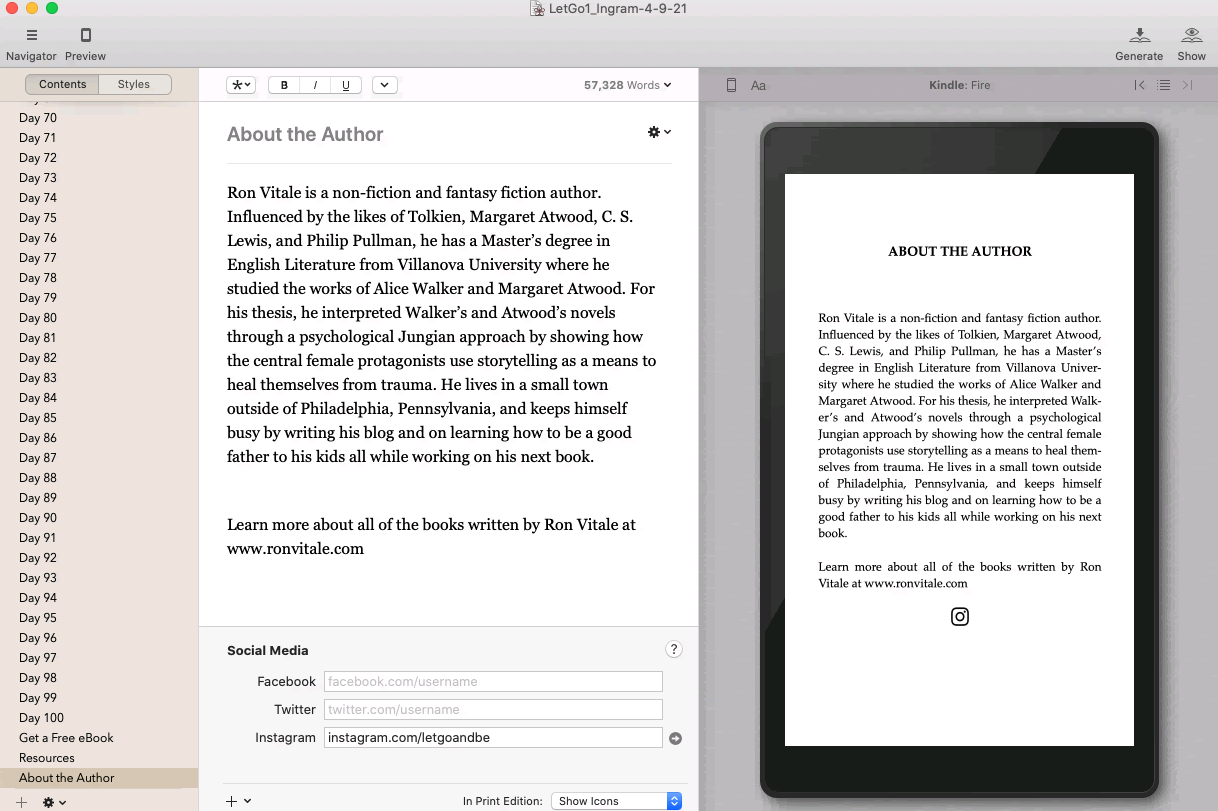
Vellum — Recommended Tool
The formatting tool we use to create beautiful ebooks and print books — no design skills needed.
Try Vellum FreeAffiliate link — we earn a small commission at no cost to you
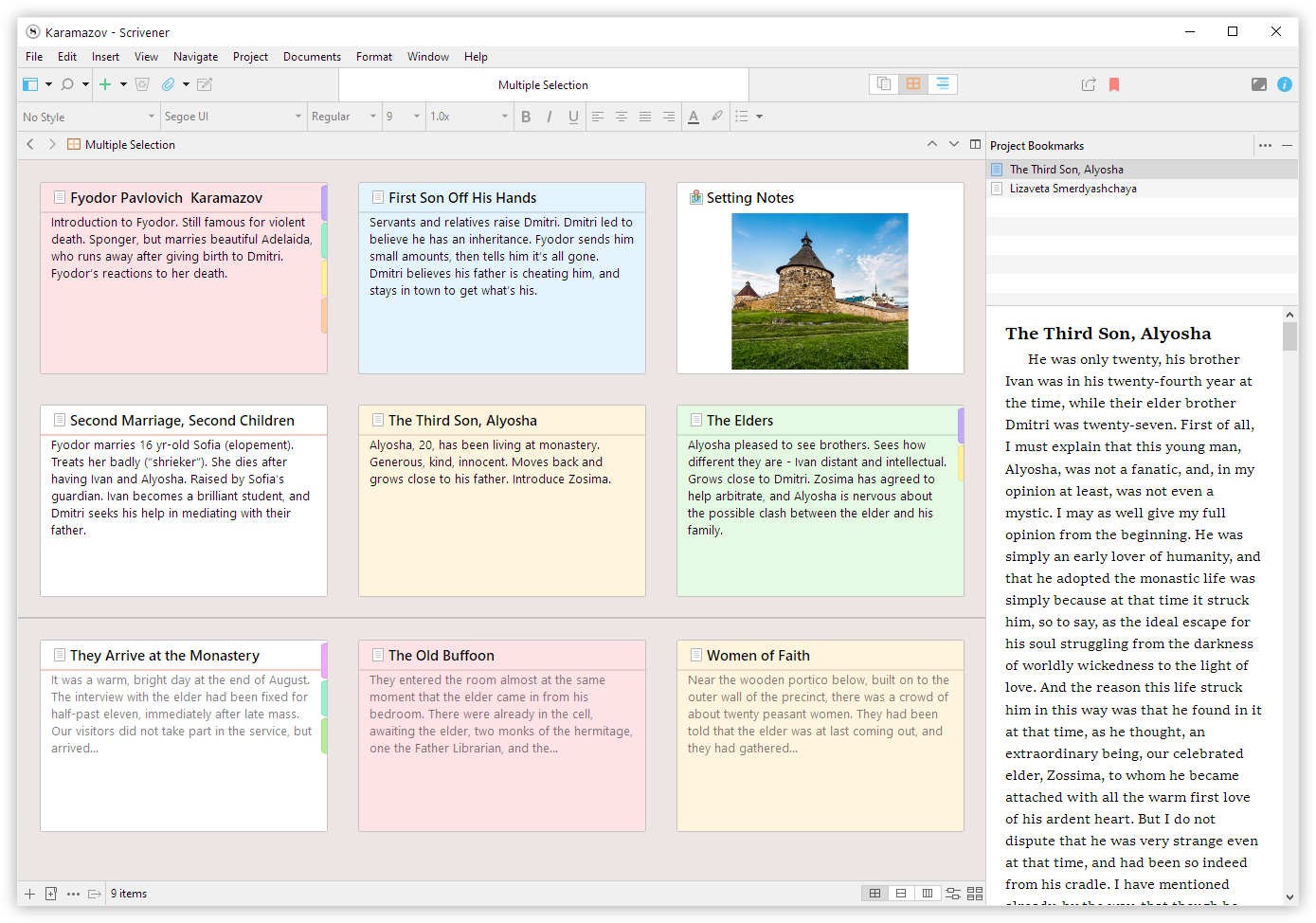
Scrivener — Recommended Tool
The writing app trusted by novelists, screenwriters, and non-fiction authors worldwide.
Get ScrivenerAffiliate link — we earn a small commission at no cost to you
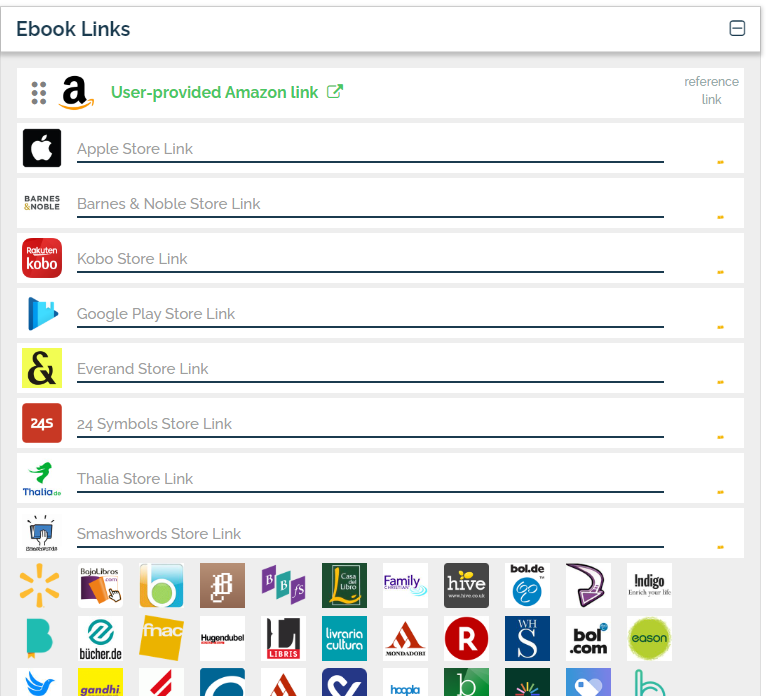
Draft2Digital — Recommended Tool
Distribute your ebook to Amazon, Apple Books, Kobo, and 40+ retailers — completely free.
Start Publishing FreeAffiliate link — we earn a small commission at no cost to you