
The Real Reason Your Book Isn't Selling on Amazon in 2024 (It's Not What You Think)
Your book not selling on Amazon is often less about the quality of your writing and more about a fundamental misalignment between your product, its presentation, and your marketing strategy. While authors frequently blame Amazon's algorithm or market saturation, the core issue usually lies in a handful of critical, often overlooked, areas.

The Real Reason Your Book Isn't Selling on Amazon in 2024 (It's Not What You Think)
Your book not selling on Amazon is often less about the quality of your writing and more about a fundamental misalignment between your product, its presentation, and your marketing strategy. While authors frequently blame Amazon's algorithm or market saturation, the core issue usually lies in a handful of critical, often overlooked, areas that prevent potential readers from ever discovering or connecting with your work. Addressing these foundational problems is key to unlocking consistent KDP sales and building a sustainable author career.
Table of Contents
- The Myth of "The Algorithm" and Market Saturation
- Fatal Flaw #1: Your Product Isn't Market-Ready
- Fatal Flaw #2: You're Invisible in a Sea of Books
- Fatal Flaw #3: Your Marketing Strategy is Non-Existent or Misguided
- Fatal Flaw #4: You're Not Analyzing Your Data (Or Don't Know How)
- The Taciturn Studios 4-Step Framework for KDP Sales Revival
The Myth of "The Algorithm" and Market Saturation
When your book isn't selling on Amazon, it's easy to point fingers. "The algorithm hates me!" or "There are just too many books out there!" are common refrains in indie author forums. While Amazon's complex algorithms certainly play a role in discoverability, and the sheer volume of new releases is undeniable, these aren't the real reasons your book is languishing. These are symptoms, not root causes. The truth is often more empowering because it means the solution is within your control.
Beyond the Blame Game: Taking Ownership of Your Sales
Shifting blame to external factors like "the algorithm" or "market saturation" is a convenient way to avoid the hard work of self-assessment and strategic adjustment. Successful indie authors understand that Amazon is a marketplace, and like any marketplace, success hinges on understanding its dynamics and actively positioning your product to thrive within it. This means taking ownership of every aspect of your book's journey, from creation to its final sale. It's about being an author-publisher, not just an author.
Understanding Amazon's Reader-Centric Model
Amazon's primary goal is to sell books and keep readers happy. Their algorithms are designed to connect readers with books they are most likely to enjoy, leading to purchases and positive reviews. This means the algorithm rewards books that demonstrate reader engagement: clicks, purchases, pages read (in Kindle Unlimited), and positive reviews. If your book isn't generating these signals, it won't be promoted by the algorithm. It's not personal; it's data-driven. Your task is to provide the data points that tell Amazon, "This book is a good recommendation for X type of reader."
The Illusion of Overwhelm: Finding Your Niche
Yes, millions of books are published annually. However, very few of them are direct competitors to your specific book, in your specific niche, targeting your specific reader. The concept of "market saturation" often masks a lack of clarity about who your ideal reader is and where they spend their time (and money). Instead of viewing the vastness of Amazon as a problem, see it as an opportunity to find your highly specific audience. A well-defined niche, even a small one, can lead to dedicated readers and consistent sales, far outperforming a vague appeal to "everyone."
Fatal Flaw #1: Your Product Isn't Market-Ready
Before you even think about marketing, you need to ensure your book itself is a compelling, professional, and competitive product. This isn't just about the story; it's about the entire package. Many authors rush this stage, eager to get their words out, but a poorly presented book is dead on arrival, no matter how brilliant the prose within.
The Cover Conundrum: Is Yours Professional and Genre-Appropriate?
Your book cover is your single most important marketing tool. It's the first impression, the silent salesperson, and the primary reason a reader will stop scrolling. A cover that looks amateurish, doesn't clearly communicate its genre, or fails to meet professional standards will deter readers instantly. They will judge your book by its cover, and rightly so. Invest in professional cover design. Study the bestsellers in your genre and understand the visual tropes and expectations. If your cover doesn't stack up, it's a major reason your book isn't selling. For more insights, check out our guide on best book cover design tips for authors.
The Blurb Blight: Does Your Description Hook or Hurt?
After the cover, the book description (or blurb) is the next critical element. This is where you convert a browser into a potential buyer. A weak, confusing, or poorly written blurb will kill interest faster than anything. It needs to:
- Grab attention immediately.
- Clearly state the genre and target audience.
- Introduce the main character and central conflict.
- Create intrigue and promise an emotional experience.
- End with a compelling call to action.
Many authors treat the blurb as an afterthought, but it requires as much craft as the story itself. Learn how to write a book description that sells to maximize its impact.
📚 Recommended Resource: Your First 10,000 Readers by Nick Stephenson This practical guide offers actionable strategies for building an audience and marketing your books, focusing on the crucial elements of author platform and reader engagement. [Amazon link: https://www.amazon.com/dp/1733028609?tag=seperts-20]
Editing Excellence: The Non-Negotiable Standard
In the self-publishing world, editing is often seen as an optional expense. It's not. A book riddled with typos, grammatical errors, and plot inconsistencies screams "amateur" and will lead to negative reviews and refunds. Readers expect a polished, professional product. This means investing in multiple rounds of editing: developmental, copyediting, and proofreading. Don't rely solely on beta readers or your own eyes. Professional editing is an investment, not an expense, and it directly impacts reader satisfaction and your long-term reputation.
Formatting Fumbles: A Reader's Pet Peeve
Poor formatting, whether for ebook or print, can make a book unreadable. Inconsistent spacing, strange fonts, broken paragraphs, or awkward page breaks create a frustrating experience. For ebooks, this means ensuring proper conversion and readability across various devices. For print, it means correct margins, consistent headers/footers, and a professional interior layout. Tools like Vellum or Atticus (or professional formatters) are essential here. A reader struggling with formatting is a reader who won't finish your book, won't leave a good review, and certainly won't buy your next one. If you're weighing your options, our comparison of Vellum vs. Atticus can help.
Fatal Flaw #2: You're Invisible in a Sea of Books
Even if your book is a masterpiece with a stunning cover and a killer blurb, it won't sell if no one can find it. Discoverability on Amazon is a strategic game of keywords, categories, and social proof. Many authors simply upload their book and hope for the best, failing to optimize these crucial elements.
Keywords: The Hidden Language of Amazon Search
Keywords are the terms readers type into the Amazon search bar to find books. If your book isn't optimized with relevant, high-traffic keywords, it will never appear in those search results. This isn't about guessing; it's about research. Use tools (free and paid) to find what readers are actually searching for in your genre. Include these keywords in your book's title, subtitle, description, and the seven keyword fields in KDP. Think like a reader: what words would they use to find a book like yours?
Categories: Guiding Readers to Your Digital Shelf
Amazon categories are like the aisles in a physical bookstore. Placing your book in the wrong categories (or too broad ones) means it's sitting on the wrong shelf, invisible to your target audience. Aim for specific, niche categories where your book can rank higher. You can select up to two categories directly in KDP, but you can contact KDP support to add up to eight additional categories. Strategic category selection can significantly boost your book's visibility and "Also Boughts."
The Power of Reviews: Social Proof That Sells
Reviews are the lifeblood of Amazon sales. They provide social proof, influencing potential buyers more than any marketing copy you write. A book with zero or very few reviews signals risk to a reader. Aim for at least 20-50 reviews to start gaining traction. This requires a proactive strategy: asking beta readers, ARC (Advanced Reader Copy) teams, and even politely prompting readers at the end of your book. Positive reviews boost your book's ranking and credibility.
Beyond Organic: The Necessity of Paid Visibility
Relying solely on organic discoverability is a slow, often frustrating path. In today's competitive landscape, paid advertising, particularly Amazon Ads, is almost a necessity for KDP sales. Amazon Ads allow you to target readers based on keywords, categories, and even specific books. It's an investment, but a well-run campaign can provide immediate visibility, drive sales, and generate the reviews needed to kickstart organic growth. Learning Amazon Ads is a skill every indie author needs to develop.
Fatal Flaw #3: Your Marketing Strategy is Non-Existent or Misguided
Many authors finish writing, hit publish, and then declare, "My book is published! Now to wait for the sales." This passive approach is a recipe for disappointment. Publishing is only half the battle; marketing is the other, equally crucial half. A lack of a coherent, ongoing marketing strategy is a primary reason books fail to sell. For a comprehensive overview, explore our article on book marketing strategies for self-published authors.
The Author Platform Paradox: Build It Before You Need It
An author platform is your direct connection to readers outside of Amazon. It includes your website, social media presence, and most importantly, your email list. Many authors wait until their book is out to start building this, but by then, it's often too late for the crucial launch period. A strong platform allows you to announce new releases, promote sales, and engage directly with your fanbase, independent of Amazon's algorithms.
📚 Recommended Resource: Platform: Get Noticed in a Noisy World by Michael Hyatt A foundational text for building an author platform, this book provides a comprehensive guide to establishing an online presence and connecting with your audience. [Amazon link: https://www.amazon.com/dp/1595553193?tag=seperts-20]
Email List: Your Most Valuable Asset
If your book isn't selling, and you don't have an email list, you've found a major culprit. Your email list is your direct line to your most engaged readers. Unlike social media, where algorithms control who sees your posts, your emails go directly to their inbox. It's where you build relationships, announce new books, run promotions, and cultivate superfans. Start building your list from day one, offering an irresistible "reader magnet" (e.g., a free short story, novella, or bonus content) in exchange for sign-ups. Newsletter Ninja by Tammi Labrecque is an excellent resource for this.
Leveraging Launch Strategies: More Than Just a Release Date
A book launch isn't a single event; it's a strategic period designed to maximize initial visibility and sales, signaling to Amazon that your book is popular. This involves pre-orders, ARC teams, launch day promotions, and coordinated marketing efforts across your platform. A strong launch can propel your book up the charts, leading to increased organic discoverability. Without a planned launch strategy, your book simply drops into the vast Amazon catalog with little fanfare.
The Long Game: Consistent Promotion and Backlist Management
Marketing isn't a one-and-done activity. It's an ongoing process. Many authors promote heavily for a few weeks post-launch and then stop, wondering why sales dwindle. Successful authors understand the "long game." This means consistent promotion, running periodic sales, participating in genre-specific promotions, and continually engaging with readers. Furthermore, if you have multiple books, marketing your backlist is crucial. Each new book can drive sales to your older titles, creating a synergistic effect.
Fatal Flaw #4: You're Not Analyzing Your Data (Or Don't Know How)
In the digital publishing world, data is king. Amazon provides a wealth of information through KDP reports and advertising dashboards, but many authors either ignore it or don't know how to interpret it. Flying blind means you can't identify what's working, what's failing, or where to allocate your precious marketing budget.
KDP Reports: Beyond Just Sales Numbers
Your KDP reports offer more than just daily sales figures. They show pages read in Kindle Unlimited, geographical sales data, and historical trends. By analyzing these, you can identify patterns:
- Are sales consistently low, or are there spikes after specific promotions?
- Which titles in a series are performing best?
- Are readers finishing your book (indicated by page reads)? Low page reads might signal a story problem.
- Which countries are buying your book? This can inform targeted advertising.
Understanding these metrics helps you refine your strategy.
Amazon Ads Metrics: Understanding Your ROI
If you're running Amazon Ads, the dashboard is a treasure trove of data. You need to understand metrics like:
- Impressions: How many times your ad was shown.
- Clicks: How many people clicked on your ad.
- CTR (Click-Through Rate): Clicks divided by impressions. A low CTR indicates your ad creative (cover/blurb) or targeting isn't resonating.
- ACoS (Advertising Cost of Sales): Ad spend divided by sales generated from that ad. A high ACoS means your ads aren't profitable.
- Sales: How many units sold directly from the ad.
Analyzing these helps you optimize your bids, keywords, and ad copy to ensure your advertising budget is spent effectively. Without this analysis, you're just throwing money into the wind.
Website Analytics: Tracking External Traffic
If you have an author website (and you should!), integrate Google Analytics or similar tools. This allows you to track where your website visitors are coming from (social media, email, other blogs), what pages they visit, and how long they stay. This data is invaluable for understanding which of your external marketing efforts are driving traffic to your author platform and, ultimately, to your Amazon sales page.
A/B Testing: Optimizing Your Sales Funnel
A/B testing (or split testing) is the process of comparing two versions of something to see which performs better. This can apply to:
- Book Covers: Test different cover designs to see which generates more clicks.
- Book Blurbs: Experiment with different opening hooks or calls to action.
- Ad Copy: Test various headlines and descriptions for your Amazon Ads.
- Email Subject Lines: See which subject lines get the most opens.
By systematically testing and optimizing these elements, you can incrementally improve your conversion rates and overall sales performance. It's a continuous process of refinement.
Case Study: Mystery Author — Before/After
Before: An indie mystery author struggled to sell her debut novel. Her KDP sales were sporadic, averaging 1-2 units per week. Her cover was self-designed and didn't match genre expectations, her blurb was too long and revealed too much, and she had no email list or advertising strategy. She believed the market was too saturated.
After: She invested in a professional cover designer specializing in mysteries. She hired a copywriter to craft a compelling, concise blurb. She started an email list, offering a free prequel novella as a reader magnet. She then launched a targeted Amazon Ads campaign, focusing on keywords from popular mystery authors. Within three months, her sales jumped to an average of 15-20 units per day, with her email list growing by 50-100 subscribers weekly. Her initial investment in cover design and blurb writing paid for itself within two months, and her ad campaigns became profitable. The "real reason" her book wasn't selling was a series of correctable product and marketing flaws, not market saturation.
The Taciturn Studios 4-Step Framework for KDP Sales Revival
If your book isn't selling on Amazon, don't despair. It's a common challenge, and it's almost always fixable. Here's a structured approach to diagnose and rectify the issues, turning your KDP sales around. This framework emphasizes a holistic view, addressing both product and promotion.
Step 1 of 4: The Product Audit – Honesty is Your Best Policy
This is where you critically evaluate your book as a commercial product, not just a creative work. Be brutal in your assessment, or better yet, get objective feedback from professionals.
✅ Review Your Cover: Does it instantly convey your genre? Does it look professional compared to top sellers in your niche? Is it eye-catching at thumbnail size? (Consider hiring a new designer if needed.) ✅ Critique Your Blurb: Is it a compelling hook? Does it create intrigue without giving away too much? Is it concise and error-free? (Get professional blurb writing help if necessary.) ✅ Assess Your Editing: Are there any lingering typos, grammatical errors, or plot holes? Have you had professional copyediting and proofreading? (Invest in professional editing if you haven't.) ✅ Check Your Formatting: Is your ebook clean and readable on all devices? Is your print book interior professional and error-free? (Use tools like Vellum/Atticus or a professional formatter.) ✅ Read Your Reviews (Carefully): Look for recurring themes in negative reviews. Do they point to issues with pacing, character development, or the ending? This indicates deeper story-level problems.
Step 2 of 4: Visibility Blueprint – Get Found by the Right Readers
Once your product is polished, it's time to ensure people can actually find it. This step focuses on optimizing your book's presence on Amazon.
✅ Keyword Research & Optimization: Use tools like Publisher Rocket, Helium 10, or Amazon's search bar to find relevant, high-volume keywords. Update your KDP keyword fields and consider integrating them into your title/subtitle if appropriate. ✅ Category Optimization: Research niche categories where your book can rank higher. Use KDP's category selection and contact KDP support to add up to 10 categories. ✅ Review Generation Strategy: Develop a plan to actively seek reviews. This could involve an ARC team, a call to action in your book, or reaching out to book bloggers/reviewers. ✅ Amazon Author Page: Optimize your Amazon Author Central page with a professional bio, headshot, and links to your website/social media. ✅ Goodreads & BookBub Profiles: Ensure your book is listed and optimized on these key platforms where readers discover new books.
Step 3 of 4: Strategic Promotion – Active Engagement, Not Passive Waiting
This step involves proactive marketing efforts to drive traffic and sales to your book. This is where you move beyond just "hoping" for sales.
✅ Build Your Author Platform: If you haven't already, start an author website and establish a presence on 1-2 social media platforms where your target readers hang out. ✅ Start an Email List: Offer an irresistible reader magnet to encourage sign-ups. This is your most valuable asset for long-term sales. (See Newsletter Ninja for guidance.) ✅ Run Amazon Ads: Start with small, targeted campaigns (e.g., keyword targeting for similar books, category targeting). Learn to analyze your ACoS and optimize your bids. ✅ Participate in Promotions: Look for opportunities to feature your book in paid newsletters (e.g., BookBub, Fussy Librarian), genre-specific blogs, or group promotions with other authors. ✅ Engage with Your Audience: Respond to comments, emails, and reviews. Foster a community around your work.
Step 4 of 4: Analyze, Adapt, Iterate – The Continuous Improvement Loop
Marketing is rarely a one-shot success. It's an ongoing process of testing, learning, and adjusting.
✅ Monitor KDP Reports: Track sales, pages read, and trends. Look for patterns related to your marketing efforts. ✅ Analyze Ad Performance: Regularly review your Amazon Ads data. Pause underperforming ads, optimize keywords, and test new ad copy/covers. ✅ Track Website & Email Metrics: Understand where your traffic is coming from and how your email campaigns are performing (open rates, click-through rates). ✅ A/B Test Key Elements: Experiment with different cover versions, blurbs, ad copy, and email subject lines to see what resonates best with your audience. ✅ Stay Informed: The indie publishing landscape is constantly evolving. Follow industry leaders, read blogs (like Taciturn Studios), and adapt your strategies as needed.
📚 Recommended Resource: Strangers to Superfans by David Gaughran A masterclass in author marketing, this book teaches you how to build a reader funnel, convert casual browsers into loyal fans, and scale your author business. [Amazon link: https://www.amazon.com/dp/1948080079?tag=seperts-20]
Frequently Asked Questions
Q: How long should I wait before deciding my book isn't selling on Amazon? A: Don't wait too long. If your book isn't generating consistent sales or reviews within the first 30-60 days post-launch, it's time to critically assess your product and marketing strategy. Early intervention is key to preventing your book from becoming completely invisible.
Q: Is Amazon KDP Select worth it if my book isn't selling? A: KDP Select, which enrolls your book in Kindle Unlimited (KU), can be a powerful tool for discoverability, especially for series authors. If your book isn't selling, KU can provide visibility through page reads and potentially lead to reviews. However, it requires exclusivity, so weigh the pros and cons based on your overall distribution strategy. For more on this, read our guide on Amazon KDP Select vs. Wide Distribution.
Q: My book has good reviews, but still no sales. What could be wrong? A: If you have good reviews but low sales, the problem is likely discoverability. Readers like your book when they find it, but they aren't finding it in the first place. Focus heavily on keyword and category optimization, Amazon Ads, and external marketing to drive traffic to your book page.
Q: How much should I spend on Amazon Ads for a book that isn't selling? A: Start small. Begin with a daily budget of $5-10 per campaign and monitor your ACoS closely. The goal isn't to spend a lot, but to spend effectively. As you learn what works, you can scale up. Don't throw money at ads without understanding the metrics.
Q: Should I lower my book's price if it's not selling? A: Price can be a factor, but it's rarely the only reason. A low price won't fix a bad cover or blurb. If your book is priced significantly higher than genre norms, consider adjusting. However, sometimes a slightly higher price can signal quality. Test different price points as part of your A/B testing strategy, but always address product quality first. Our article on ebook pricing strategy can offer more insights.
Q: What's the most important thing to fix first if my book isn't selling? A: Start with your book's presentation: cover, blurb, and editing. These are the gatekeepers. If they aren't professional and genre-appropriate, no amount of marketing will fix the underlying problem. Once those are solid, move to discoverability (keywords, categories, reviews).
Q: How can I get more reviews for my book? A: Actively ask! Form an ARC (Advanced Reader Copy) team, include a polite call to action at the end of your book, engage with readers on social media, and consider using services that connect authors with reviewers (e.g., BookSirens, StoryOrigin). Focus on getting genuine, organic reviews.
Q: Is it too late to fix a book that's been out for a while and isn't selling? A: It's rarely too late! Many authors have successfully revamped older titles by updating covers, blurbs, keywords, and launching new marketing campaigns. Treat it like a new release, applying all the strategies outlined above. A fresh look and renewed marketing push can breathe new life into a stagnant book.
Conclusion + CTA
The journey of an indie author is one of continuous learning, adaptation, and resilience. When your book isn't selling on Amazon, it's a signal, not a sentence. The real reasons often boil down to correctable issues in product presentation, discoverability, marketing strategy, and data analysis. By taking an honest look at your cover, blurb, editing, keywords, categories, and marketing efforts, you can identify the weak links in your sales chain. Implement the Taciturn Studios 4-Step Framework, embrace a proactive mindset, and commit to ongoing improvement. The path to consistent KDP sales isn't a mystery; it's a strategic process that rewards those who are willing to learn, adapt, and put in the work. Don't let your brilliant story get lost in the noise. Take control, optimize your assets, and connect with the readers who are waiting for your book.
Ready to find your next great read or publishing resource? Browse the Taciturn Studios library for ebooks, puzzle books, and activity books.
This article contains Amazon affiliate links. If you purchase through them, Taciturn Studios earns a small commission at no extra cost to you.
Tools & Resources We Recommend
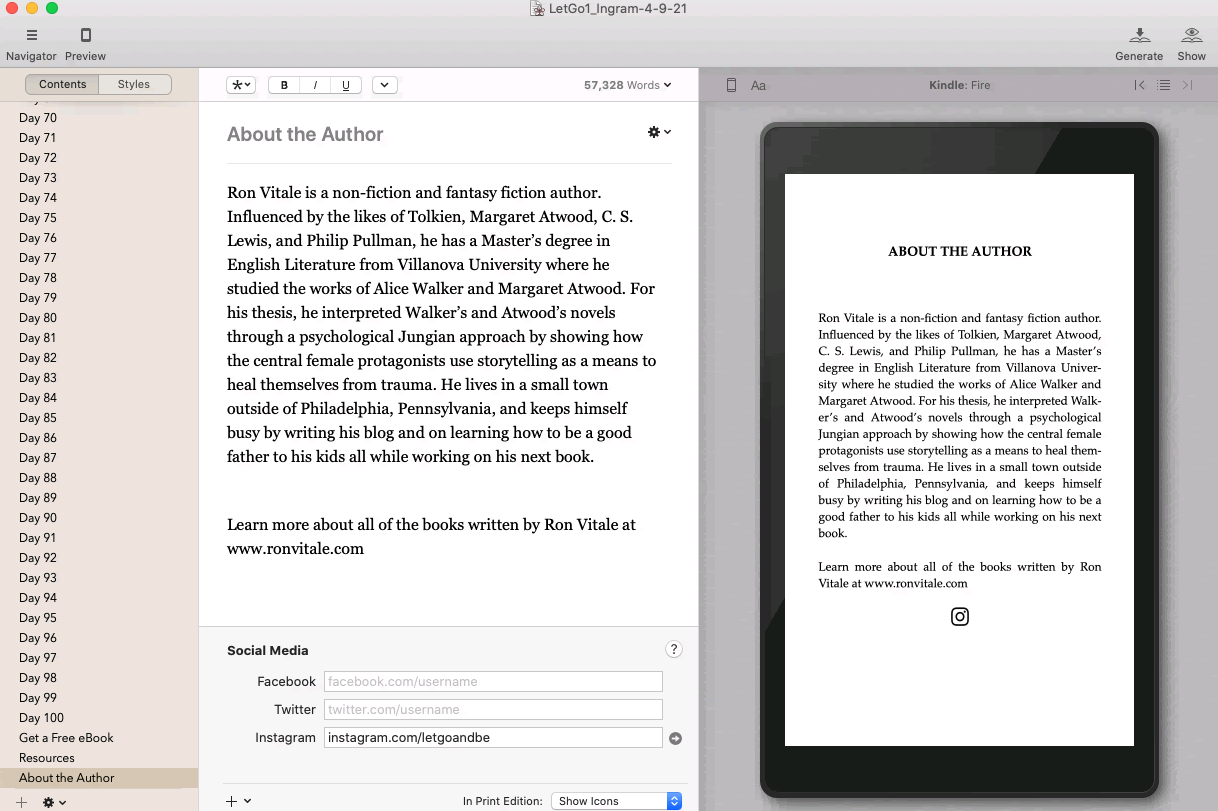
Vellum — Recommended Tool
The formatting tool we use to create beautiful ebooks and print books — no design skills needed.
Try Vellum FreeAffiliate link — we earn a small commission at no cost to you
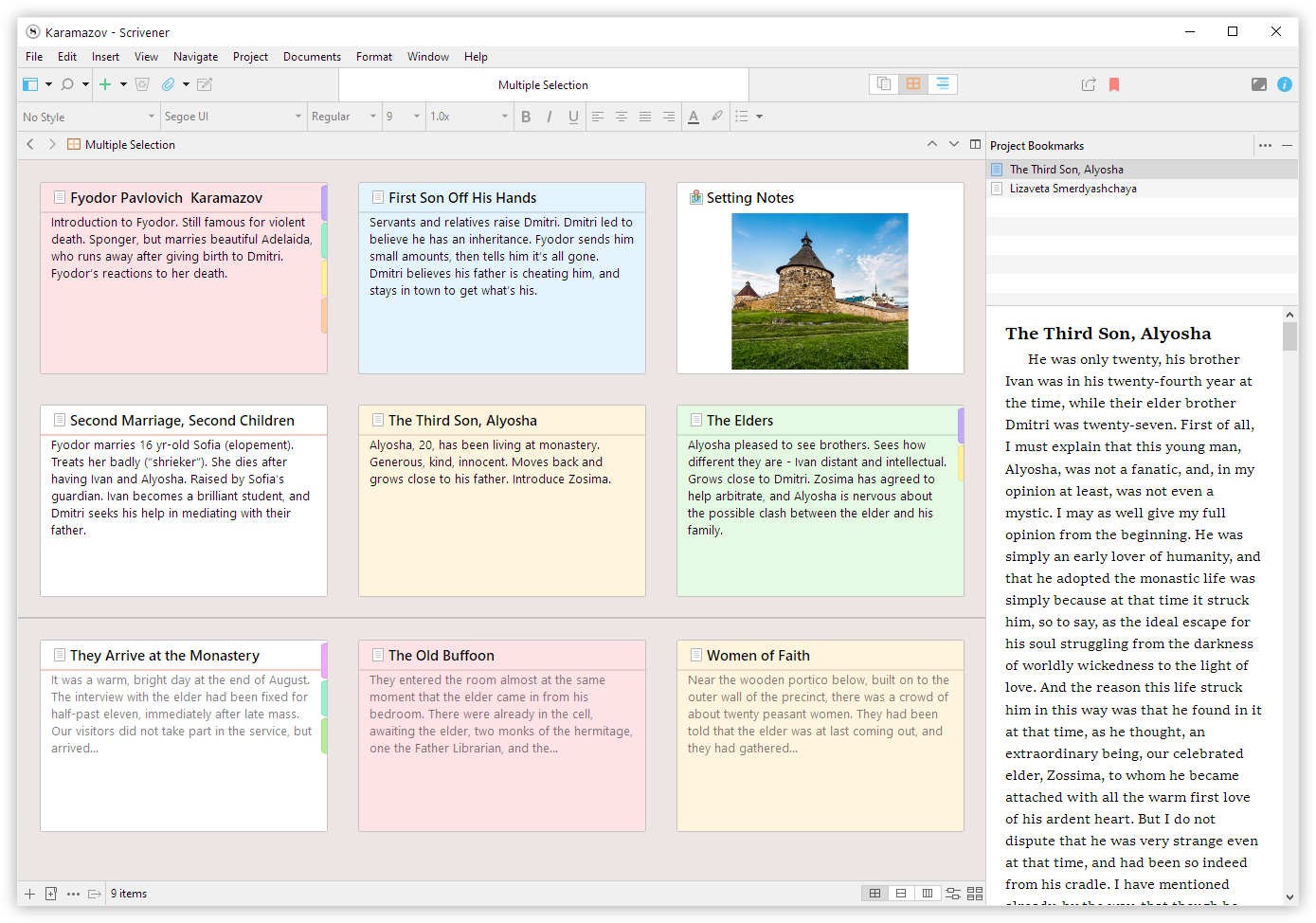
Scrivener — Recommended Tool
The writing app trusted by novelists, screenwriters, and non-fiction authors worldwide.
Get ScrivenerAffiliate link — we earn a small commission at no cost to you
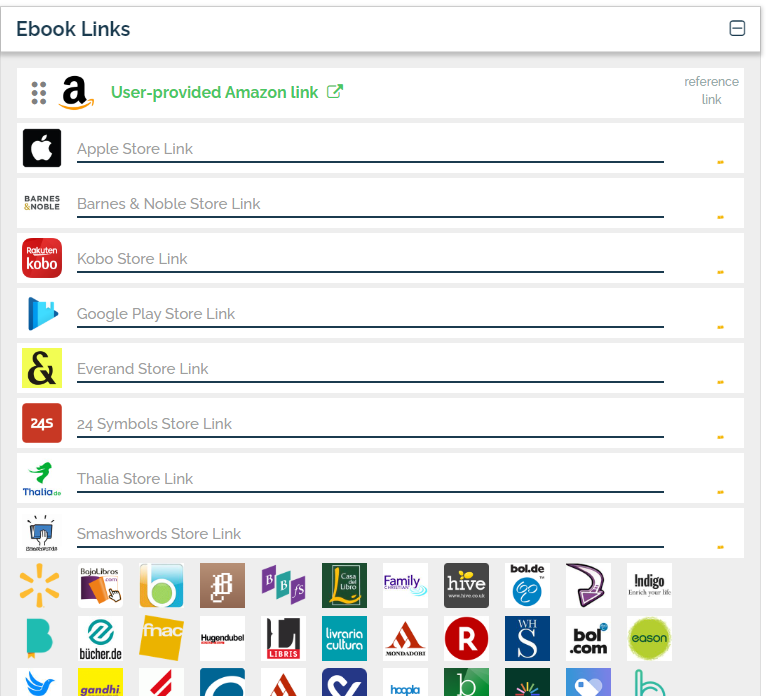
Draft2Digital — Recommended Tool
Distribute your ebook to Amazon, Apple Books, Kobo, and 40+ retailers — completely free.
Start Publishing FreeAffiliate link — we earn a small commission at no cost to you