
How to Create a KDP Puzzle Book That Sells: The Step-by-Step Guide for 2026
KDP puzzle book publishing is a lucrative niche for indie authors looking to diversify their income and reach new audiences. It involves designing, compiling, and publishing low-content books like word searches, crosswords, sudokus, and mazes directly through Amazon's Kindle Direct Publishing platform.

How to Create a KDP Puzzle Book That Sells: The Step-by-Step Guide for 2026
KDP puzzle book publishing is a lucrative niche for indie authors looking to diversify their income and reach new audiences. It involves designing, compiling, and publishing low-content books like word searches, crosswords, sudokus, and mazes directly through Amazon's Kindle Direct Publishing platform. This guide provides a comprehensive, step-by-step roadmap for authors to successfully navigate the process in 2026, from niche selection and content creation to cover design, publishing, and marketing, ensuring your puzzle books stand out and generate consistent sales.
Table of Contents
- Understanding the KDP Puzzle Book Market in 2026
- Niche Selection and Market Research for Profitability
- Designing Your Puzzle Book: Content Creation and Layout
- Crafting a Compelling Cover and Interior for KDP
- The KDP Publishing Process: From Upload to Live
- Marketing and Promotion Strategies for KDP Puzzle Books
- Optimizing for Long-Term Success and Scaling Your Puzzle Book Business
Understanding the KDP Puzzle Book Market in 2026
The low-content book market on Amazon KDP has exploded in recent years, and puzzle books remain a consistently popular sub-niche. In 2026, the demand for engaging, screen-free entertainment continues to grow, driven by an aging population seeking cognitive stimulation, parents looking for educational activities for children, and adults seeking mindful relaxation. However, with increased popularity comes increased competition. Success in this space now requires more than just uploading a basic puzzle; it demands strategic niche selection, high-quality content, professional presentation, and effective marketing. Understanding the current landscape and anticipating future trends is crucial for any indie author looking to make a significant impact.
The Enduring Appeal of Puzzle Books
Puzzle books offer a unique blend of entertainment, education, and mental exercise. For many, they provide a welcome break from digital screens, offering a tangible, satisfying experience. From the simple joy of finding a hidden word to the complex satisfaction of solving a logic grid, puzzles engage different parts of the brain and cater to a wide range of interests and skill levels. This broad appeal ensures a consistent market, but it also means that generic offerings often get lost in the shuffle. Authors must consider what makes their puzzle book unique and how it caters to a specific desire or demographic.
Navigating Increased Competition
While the market is robust, it's also saturated. Thousands of new low-content books are published daily. To stand out, authors need to move beyond simple, auto-generated content. Quality, originality, and a clear understanding of your target audience are paramount. This means investing time in research, design, and even in the creation of unique puzzle types or themed collections. Simply put, the "set it and forget it" approach rarely works anymore for achieving significant sales. Think of your puzzle book as a product in a competitive retail environment, not just a digital file.
The Role of AI and Automation in 2026
Artificial intelligence tools have become increasingly sophisticated, offering new avenues for puzzle generation, content creation, and even market analysis. While AI can significantly streamline the process, it's crucial to use it as an assistant, not a replacement for human creativity and quality control. Automated puzzle generation can save time, but ensuring variety, accuracy, and an engaging user experience still requires a human touch. Leveraging AI effectively means understanding its strengths and limitations, and integrating it into a workflow that prioritizes quality and uniqueness. For example, AI can generate word lists for word searches, but a human curates the theme and designs the layout.
Niche Selection and Market Research for Profitability
The foundation of a successful KDP puzzle book lies in meticulous niche selection. Simply creating a "word search book" isn't enough; you need to identify a specific audience with unmet needs or a passion for a particular theme. This involves deep market research, analyzing existing bestsellers, and understanding what makes certain puzzle books resonate with buyers. Without a well-defined niche, your book will struggle to find its audience amidst the vast ocean of KDP offerings.
Identifying Profitable Sub-Niches
Don't just think "puzzle books." Think "large print Bible word searches for seniors," "travel-themed crossword puzzles for adults," "animal-themed mazes for preschoolers," or "logic puzzles for aspiring engineers." These specific sub-niches allow you to target your marketing, design your content, and craft your keywords with precision. Look for areas where there's demand but perhaps less competition, or where you can offer a unique twist on a popular theme. Tools like Amazon's bestseller lists, keyword research tools, and even browsing Etsy or Pinterest can reveal popular themes and underserved demographics.
Analyzing Bestsellers and Competitors
Spend time on Amazon researching existing puzzle books. Pay attention to:
- BSR (Best Seller Rank): A lower BSR (e.g., under 100,000) indicates strong sales.
- Reviews: What do readers love? What are their complaints? This provides invaluable insight into what to emulate and what to avoid.
- Covers: What visual styles are popular in your chosen niche?
- Interiors: Look at the "Look Inside" feature. What's the page count? What's the layout like? Is there variety in the puzzles?
- Pricing: What are competitors charging? This helps you position your own book.
This analysis isn't about copying; it's about understanding market expectations and identifying opportunities to differentiate.
Keyword Research for Visibility
Effective keyword research is paramount for your book to be discovered. Think like a buyer: what phrases would they type into Amazon's search bar?
- Broad keywords: "word search book," "sudoku puzzles"
- Niche-specific keywords: "large print word search for seniors," "travel crossword puzzles," "logic grid puzzles for adults"
- Long-tail keywords: "easy word search book for 8 year olds," "hard sudoku puzzles with solutions"
- Synonyms and related terms: "brain teasers," "mind games," "activity book"
Use tools like Publisher Rocket, Helium 10, or even Amazon's auto-suggest feature to find relevant, high-volume, low-competition keywords. Incorporate these naturally into your book title, subtitle, and the seven keyword fields in KDP. Remember, the goal is to match your book to what potential buyers are actively searching for. For more on optimizing your book's discoverability, check out our guide on how to write a book description that sells.
Designing Your Puzzle Book: Content Creation and Layout
Once your niche is defined, the real work of content creation begins. This stage is where you translate your market research into a tangible product. The quality of your puzzles, the clarity of your instructions, and the overall aesthetic appeal of your interior pages will directly impact customer satisfaction and reviews. Don't rush this step; a well-designed interior is just as important as a compelling cover.
Step 1 of 4: Choosing Your Puzzle Types and Themes
Based on your niche research, decide on the specific types of puzzles you'll include. Will it be a single-puzzle-type book (e.g., 100 word searches) or a mixed-puzzle book (e.g., word searches, crosswords, sudokus)?
- Word Searches: Easy to generate, popular across age groups. Consider unique themes (e.g., "Vintage Cars Word Search," "Gardening Terms Word Search").
- Crosswords: More complex, often appeal to adults. Ensure accurate clues and solutions.
- Sudoku: Extremely popular, range from easy to expert. Offer a good difficulty progression.
- Mazes: Great for kids, but also complex versions for adults.
- Logic Puzzles: Appeal to a niche audience seeking a deeper challenge.
- Coloring Pages (as an activity book element): Can be combined with puzzles for a hybrid activity book.
Ensure your chosen puzzle types align with your target audience's preferences and skill levels. For an activity book publishing approach, consider a mix that keeps engagement high.
Step 2 of 4: Generating High-Quality Puzzle Content
This is where you create the actual puzzles. You have several options:
- Manual Creation: For unique or complex puzzles like crosswords or logic grids, manual creation ensures originality and accuracy. This is time-consuming but offers the highest quality control.
- Software/Tools: Dedicated puzzle generation software (e.g., Puzzle Book Mastery, Book Bolt, InDesign scripts) can automate the creation of word searches, sudokus, and mazes. These tools can save immense time.
- AI Generators: Advanced AI tools can generate puzzle elements or even full puzzles. Always review and edit AI-generated content for accuracy, coherence, and originality.
- Freelancers: If you lack the time or expertise, consider hiring a freelancer from platforms like Upwork or Fiverr to create puzzles for you.
Regardless of the method, double-check every puzzle and its solution for errors. Nothing frustrates a puzzle-solver more than an incorrect solution.
Step 3 of 4: Designing the Interior Layout and Formatting
The interior layout needs to be clean, readable, and professional.
- Page Size: Common sizes for puzzle books include 8.5x11 inches or 8x10 inches. Choose a size that allows for comfortable puzzle solving.
- Margins: Ensure adequate margins (at least 0.25 inches, preferably 0.5 inches) to prevent content from being cut off during printing.
- Font: Select clear, legible fonts for puzzles, clues, and solutions. Sans-serif fonts like Arial or Calibri are often preferred for readability. For large print books, use a font size of 16pt or higher.
- Page Flow: Include a title page, introduction, instructions, puzzles, and a dedicated solution section at the back. Number your puzzles and solutions clearly.
- Branding: Consider adding a subtle logo or your author name to the bottom of each page for brand consistency.
- Software: Programs like Canva, Affinity Publisher, or even Microsoft PowerPoint/Google Slides can be used for layout, though more advanced users might prefer Adobe InDesign for precise control.
Step 4 of 4: Including Solutions and Instructions
Every puzzle book must include solutions. Place them clearly at the back of the book, organized by puzzle number. For complex puzzles, brief explanations can be helpful. Clear, concise instructions at the beginning of each puzzle type are also essential, especially for less common puzzles. Assume your reader has never encountered this specific puzzle before.
📚 Recommended Resource: "5,000 Words Per Hour" by Chris Fox This book offers practical strategies for increasing writing productivity, which can be invaluable for authors generating a high volume of puzzle content or accompanying text. [Amazon link: https://www.amazon.com/dp/1500692980?tag=seperts-20]
Crafting a Compelling Cover and Interior for KDP
Your book cover is the single most important marketing tool you have on Amazon. It's the first thing potential buyers see, and it often determines whether they click to learn more or scroll past. For puzzle books, the cover needs to be eye-catching, clearly communicate the book's content, and appeal to your target niche. The interior, while less visible initially, reinforces the professional quality and enhances the user experience, leading to positive reviews.
Designing an Eye-Catching Cover
Your cover must stand out in a crowded marketplace.
- Clarity: The title should be readable at thumbnail size. The cover should instantly convey that it's a puzzle book and what type of puzzles it contains.
- Niche Appeal: Use imagery and colors that resonate with your target audience. For seniors, use larger fonts and calming colors. For kids, use vibrant, playful illustrations. For travel, use iconic landmarks.
- Professionalism: Avoid pixelated images, clashing colors, or amateurish fonts. A professionally designed cover signals quality.
- Title and Subtitle: Your title should be engaging, and your subtitle should clearly state the book's content (e.g., "100 Themed Word Search Puzzles for Adults"). Include relevant keywords.
- Spine: For books over 100 pages, the spine will be visible. Ensure it's legible and matches the cover aesthetic.
Comparison Table: DIY vs. Professional Cover Design
| Feature | DIY Design (Canva, GIMP) | Professional Designer (Fiverr, 99designs) |
|---|---|---|
| Cost | Free to low-cost (stock images, premium Canva features) | $50 - $500+ (depending on designer experience and complexity) |
| Skill Required | Basic graphic design knowledge, eye for aesthetics | No design skill required, just clear communication of vision |
| Time Investment | Significant learning curve, execution time | Minimal time for briefing and revisions |
| Quality Control | Entirely on author, potential for amateur look | High-quality, industry-standard design, expert knowledge of KDP specs |
| Uniqueness | Can be generic if relying on templates, harder to stand out | Custom, unique design tailored to your book and niche |
| Revisions | Unlimited | Limited revisions included in package |
| Best For | Authors with design skills, very tight budget, simple concepts | Authors prioritizing professional appearance, complex concepts, time-saving |
For more tips on cover design, read our article on best book cover design tips for authors.
Interior Design Best Practices
While the cover draws them in, the interior keeps them engaged.
- Consistency: Maintain a consistent style throughout the book—fonts, spacing, header/footer design.
- Readability: Ensure puzzles are large enough, lines are clear, and text is easy to read. Avoid clutter.
- Page Layout: Don't cram too much onto a page. Give puzzles room to breathe. For word searches, ensure the word list is separate and clear. For sudokus, ensure the grid is prominent.
- Bleed vs. No Bleed: For puzzle books, you generally won't need bleed unless you have images or designs that extend to the edge of the page. Most puzzle elements are contained within the margins.
- Proofreading: Thoroughly proofread all instructions, titles, and puzzle elements. Errors undermine credibility.
File Format and Upload Requirements
KDP requires specific file formats for covers and interiors.
- Cover: Upload as a single PDF. Use Amazon's cover calculator to get the exact dimensions, including the spine. Ensure high resolution (300 DPI).
- Interior: Upload as a PDF. Ensure all fonts are embedded. Check the page count and dimensions carefully. KDP offers a "Print Previewer" tool; use it diligently to catch any formatting errors before publishing.
The KDP Publishing Process: From Upload to Live
Once your puzzle book's content and cover are finalized, it's time to bring it to life on Amazon KDP. This process involves several critical steps, from setting up your book details to choosing pricing and distribution. Attention to detail here ensures your book is correctly categorized, discoverable, and available for purchase.
Setting Up Your KDP Account and Book Details
If you don't already have one, create a KDP account. You'll need tax information and bank details for royalty payments.
- Create New Title: From your KDP dashboard, click "Create a new title."
- Paperback Details: Enter your book title, subtitle, author name (your pen name), and a compelling book description. Your description is crucial for sales; use keywords naturally and highlight the benefits of your puzzle book.
- Contributors: Add any co-authors or illustrators if applicable.
- Publication Date: Choose a publication date.
- Categories: Select up to two categories that best describe your puzzle book. Be specific! "Games & Activities > Puzzles > Word Search" is better than just "Games."
- Keywords: Fill in all seven keyword fields with your carefully researched keywords. Think of variations, long-tail phrases, and related terms.
- Adult Content: Declare if your book contains adult content. Puzzle books rarely do.
ISBN and Print Options
- ISBN: KDP offers a free ISBN for print books. While you can purchase your own, the free KDP ISBN is sufficient for most indie puzzle book authors. It links your book specifically to KDP.
- Print Options:
- Ink Type: Black ink is standard and most cost-effective for puzzle books. Color ink is available but significantly increases printing costs.
- Paper Type: White paper is typical. Cream paper is also an option but less common for puzzle books.
- Trim Size: Select the trim size you designed your interior for (e.g., 8.5x11 inches).
- Bleed Settings: Choose "No Bleed" for most puzzle books unless your design extends to the edge.
- Cover Finish: Matte or Glossy. Matte offers a sophisticated, non-reflective look, while glossy is vibrant and durable. Choose based on your book's aesthetic and target audience.
Uploading Interior and Cover Files
- Manuscript Upload: Upload your interior PDF file.
- Cover Upload: Upload your cover PDF file.
- Launch Print Previewer: CRITICAL STEP. Always use the print previewer to check for any formatting issues, cut-off text, or alignment problems. This is your last chance to catch errors before printing. Make any necessary adjustments to your files and re-upload.
Pricing and Distribution
- Territories: Choose worldwide distribution.
- Royalty and Pricing: For KDP print books, you earn a 60% royalty minus printing costs. KDP will calculate the minimum list price based on your page count and ink/paper choices. Research competitor pricing in your niche to set a competitive yet profitable price. Consider a launch price that's slightly lower to encourage initial sales, then raise it.
- Expanded Distribution: This makes your book available to bookstores and libraries. It offers lower royalties (40%) but broader reach. For most puzzle books, the primary sales channel will be Amazon itself, so this is optional.
Once all steps are complete and you're satisfied with the preview, hit "Publish Your Paperback Book." It typically takes 24-72 hours for your book to go live on Amazon. For a deeper dive into overall self-publishing, explore our guide on how to self-publish an ebook in 2025.
Marketing and Promotion Strategies for KDP Puzzle Books
Publishing your puzzle book is only half the battle; the other half is getting it into the hands of readers. Effective marketing and promotion are crucial for driving sales and gaining visibility on Amazon. While low-content books often rely on strong keywords and categories, proactive promotion can significantly boost your book's performance.
Optimizing Your Amazon Product Page
Your Amazon product page (your book's sales page) is your primary sales tool.
- Compelling Description: Craft a sales-oriented description that highlights the benefits and unique features of your puzzle book. Use bullet points for readability and include relevant keywords.
- A+ Content: If you're enrolled in KDP Select (for ebooks) or have a KDP account, you can create A+ Content (formerly Enhanced Brand Content) for your print books. This allows you to add visually rich modules with images, comparison charts, and more detailed descriptions, significantly enhancing your product page.
- Author Central Page: Create and optimize your Amazon Author Central page. Add a professional bio, headshot, and link all your books. This builds author credibility and allows readers to discover your other titles.
- Keywords and Categories: Continuously monitor and adjust your keywords and categories based on performance and market changes.
Leveraging Amazon Ads (AMS)
Amazon Ads (AMS) can be highly effective for puzzle books, especially if you target specific niches.
- Sponsored Products: Target keywords (both broad and specific) that potential buyers might use. Also, target competitor books (ASINs) directly.
- Sponsored Brands: If you have multiple puzzle books under a brand, Sponsored Brands can showcase your collection.
- Budget: Start with a modest daily budget (e.g., $5-$10) and monitor performance closely. Adjust bids and keywords based on your ACOS (Advertising Cost of Sales).
- Ad Copy: Your ad copy should be concise and highlight the unique selling proposition of your puzzle book.
- A/B Testing: Experiment with different ad creatives, keywords, and bidding strategies to find what works best.
Building an Author Platform and Email List
Even for puzzle books, building an author platform can lead to long-term success.
- Website/Blog: Create a simple website or blog (like Taciturn Studios) where you can showcase your books, share insights, and offer freebies.
- Email List: Offer a free puzzle or a sample pack in exchange for email sign-ups. Your email list is your most valuable asset, allowing you to directly communicate with your audience about new releases, promotions, and special offers. For guidance on building this crucial asset, refer to "Newsletter Ninja" by Tammi Labrecque or "Your First 10,000 Readers" by Nick Stephenson.
- Social Media: Identify where your target audience hangs out (e.g., Pinterest for visual puzzles, Facebook groups for specific hobbies). Share engaging content related to your puzzles, behind-the-scenes glimpses, and new release announcements.
📚 Recommended Resource: "Newsletter Ninja" by Tammi Labrecque Essential for learning how to build and leverage an author email list, a critical asset for long-term sales and direct communication with your puzzle-loving audience. [Amazon link: https://www.amazon.com/dp/1734314001?tag=seperts-20]
Cross-Promotion and Bundling
- Series/Bundles: If you create multiple puzzle books in a series or theme, consider creating bundles (e.g., "The Ultimate Word Search Collection"). This increases the perceived value and average order value.
- "Also Boughts": Amazon's "Customers who bought this item also bought" section is powerful. Encourage readers to check out your other books.
- Back Matter: Include a "More Books by [Your Name]" section at the back of your puzzle book, with links or covers of your other titles.
- Collaborations: Partner with other puzzle book authors or low-content creators for cross-promotion.
For broader strategies on reaching readers, our article on book marketing strategies for self-published authors provides more general insights applicable to puzzle books.
Optimizing for Long-Term Success and Scaling Your Puzzle Book Business
The KDP puzzle book market isn't a "one-and-done" venture. True success comes from a long-term strategy of continuous optimization, scaling your offerings, and adapting to market changes. This involves analyzing your sales data, iterating on your designs, and consistently delivering high-quality content to your growing audience.
Analyzing Sales Data and Customer Feedback
- KDP Reports: Regularly check your KDP sales reports. Identify which books are selling well, which aren't, and during which periods.
- BSR Tracking: Monitor your book's Best Seller Rank over time. Fluctuations can indicate market shifts or the impact of your marketing efforts.
- Reviews: Pay close attention to customer reviews. They are a goldmine of feedback. What do readers love? What do they dislike? Are there common complaints about puzzle difficulty, errors, or layout? Use this feedback to improve future books and even update existing ones.
- "Look Inside" Data: While not directly available, you can infer engagement by looking at your book's "Look Inside" feature. Does it showcase your best puzzles? Is the formatting clear?
Iteration and Improvement
Based on your analysis, don't be afraid to make changes.
- Update Covers: If a cover isn't performing, consider a redesign.
- Revise Interiors: Correct errors, improve layouts, or even add new puzzle types if feedback suggests it.
- Optimize Descriptions/Keywords: Continuously test and refine your book description and keyword fields to improve search visibility and conversion rates.
- New Editions: If you make significant changes, consider publishing a "Second Edition" to highlight the improvements.
Scaling Your Puzzle Book Portfolio
The most successful KDP puzzle book authors often have a deep catalog of titles.
- Series Creation: Create themed series (e.g., "Easy Sudoku Vol. 1," "Easy Sudoku Vol. 2").
- Difficulty Levels: Offer the same puzzle type across different difficulty levels (easy, medium, hard, expert).
- Niche Expansion: Once you've found success in one niche, explore related niches. If "large print word searches for seniors" works, try "large print crosswords for seniors."
- Mixed Puzzle Books: Combine different puzzle types into a single "Activity Book" to appeal to a broader audience.
- Seasonal/Holiday Themes: Create books for specific holidays (Christmas, Halloween) or seasons.
Staying Ahead of Trends
The KDP market is dynamic.
- Monitor Amazon: Regularly browse Amazon's bestseller lists and "Hot New Releases" in your categories.
- Industry Blogs/Forums: Stay informed by reading publishing blogs and participating in author forums.
- New Tools: Explore new puzzle generation software or AI tools that can streamline your workflow and enhance your content.
- Listen to Your Audience: Your readers are your best resource for understanding what's next.
By consistently creating quality content, optimizing your listings, and strategically expanding your portfolio, you can build a sustainable and profitable KDP puzzle book business for 2026 and beyond. Remember, success in self-publishing is a marathon, not a sprint.
Frequently Asked Questions
Q: How much money can I make with KDP puzzle books? A: Earnings vary widely based on niche, quality, marketing, and volume. Some authors earn a few hundred dollars a month, while successful authors with many titles and strong marketing can earn thousands. It's a scalable business, so the more quality books you publish, the higher your potential income.
Q: Do I need an ISBN for a KDP puzzle book? A: For print puzzle books, KDP will provide a free ISBN. This is generally sufficient for most indie authors. You can purchase your own ISBNs, but it's not usually necessary unless you plan to distribute through channels outside of KDP's expanded distribution program.
Q: What's the best software for creating puzzle books? A: Popular choices include Book Bolt (all-in-one KDP research and creation tool), Puzzle Book Mastery (dedicated puzzle generation), and Adobe InDesign or Affinity Publisher for professional layout. Canva can also be used for simpler designs and covers.
Q: How important is the cover for a puzzle book? A: Extremely important. The cover is the first thing potential buyers see and often dictates whether they click on your book. It needs to be eye-catching, clearly communicate the book's content, and appeal to your target audience. Invest in a professional-looking cover.
Q: Can I use AI to generate puzzles for my KDP book? A: Yes, AI tools can assist with puzzle generation (e.g., word lists for word searches, basic sudoku grids). However, it's crucial to review and edit all AI-generated content for accuracy, variety, and originality. Human oversight ensures quality and an engaging user experience.
Q: What are the most profitable puzzle book niches? A: Profitable niches often cater to specific demographics or interests, such as: large print puzzles for seniors, themed puzzles (e.g., travel, animals, history), educational puzzles for children, or challenging logic puzzles for adults. Researching current bestsellers and underserved markets is key.
Q: How do I get reviews for my KDP puzzle book? A: Encourage reviews by including a polite request at the back of your book. Promote your book to your email list and social media followers, asking for honest feedback. While you cannot pay for reviews, offering free copies in exchange for an honest review (not guaranteed positive) is acceptable.
Q: Should I enroll my puzzle book in KDP Select? A: KDP Select is for ebooks and offers benefits like Kindle Unlimited enrollment and Kindle Countdown Deals. For print puzzle books, KDP Select is not applicable. You can publish your print book wide without exclusivity. If you also create an ebook version of your puzzle book, then you can consider KDP Select for that digital format.
Conclusion
Creating and selling a KDP puzzle book in 2026 offers a fantastic opportunity for indie authors to tap into a consistently popular and profitable niche. Success hinges on a strategic approach: meticulous niche research, high-quality content creation, professional design, and proactive marketing. By understanding your target audience, leveraging available tools, and continuously optimizing your offerings, you can build a thriving portfolio of puzzle books that delight readers and generate consistent income. The journey from idea to published book is an exciting one, and with the right steps, your puzzle book can truly stand out in the crowded Amazon marketplace.
Ready to find your next great read or publishing resource? Browse the Taciturn Studios library for ebooks, puzzle books, and activity books.
This article contains Amazon affiliate links. If you purchase through them, Taciturn Studios earns a small commission at no extra cost to you.
Tools & Resources We Recommend
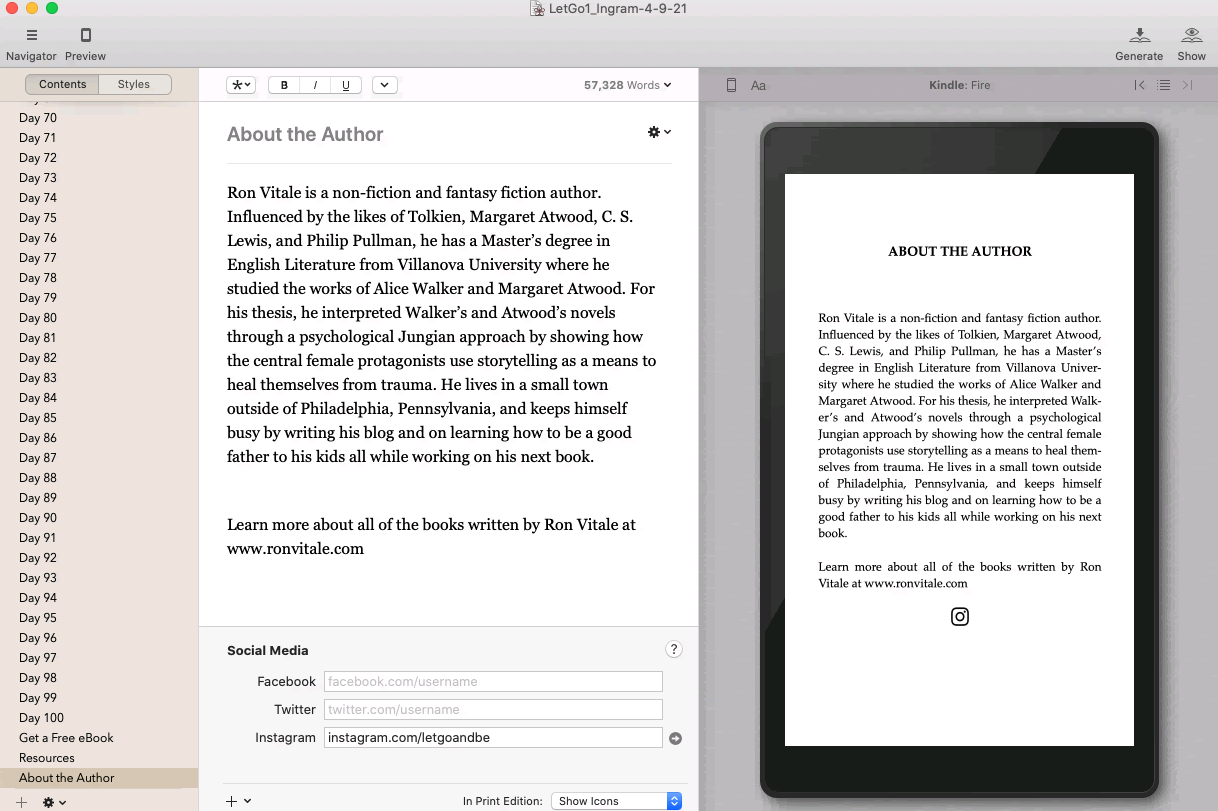
Vellum — Recommended Tool
The formatting tool we use to create beautiful ebooks and print books — no design skills needed.
Try Vellum FreeAffiliate link — we earn a small commission at no cost to you
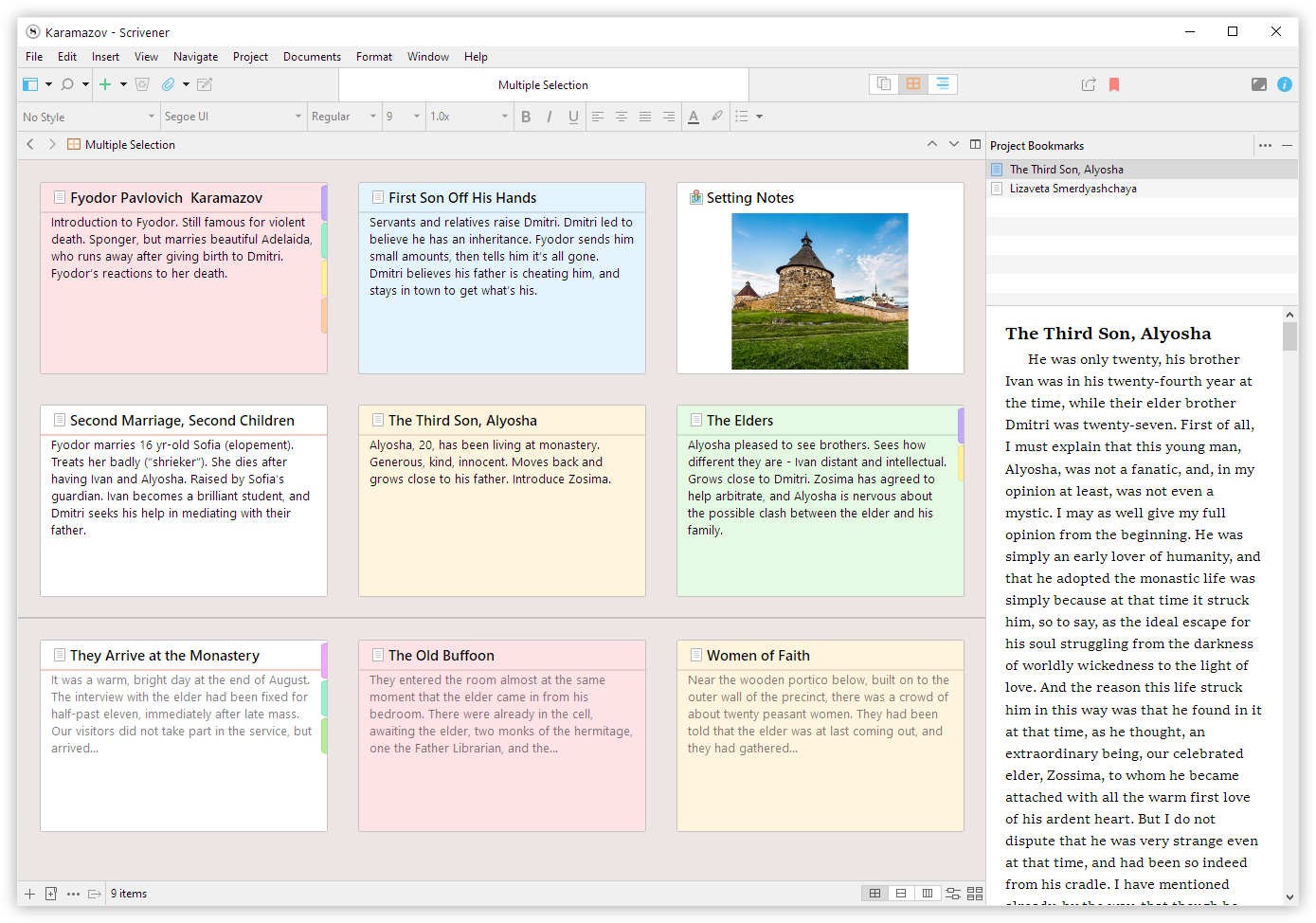
Scrivener — Recommended Tool
The writing app trusted by novelists, screenwriters, and non-fiction authors worldwide.
Get ScrivenerAffiliate link — we earn a small commission at no cost to you
Draft2Digital — Recommended Tool
Distribute your ebook to Amazon, Apple Books, Kobo, and 40+ retailers — completely free.
Start Publishing FreeAffiliate link — we earn a small commission at no cost to you